

 Track Order

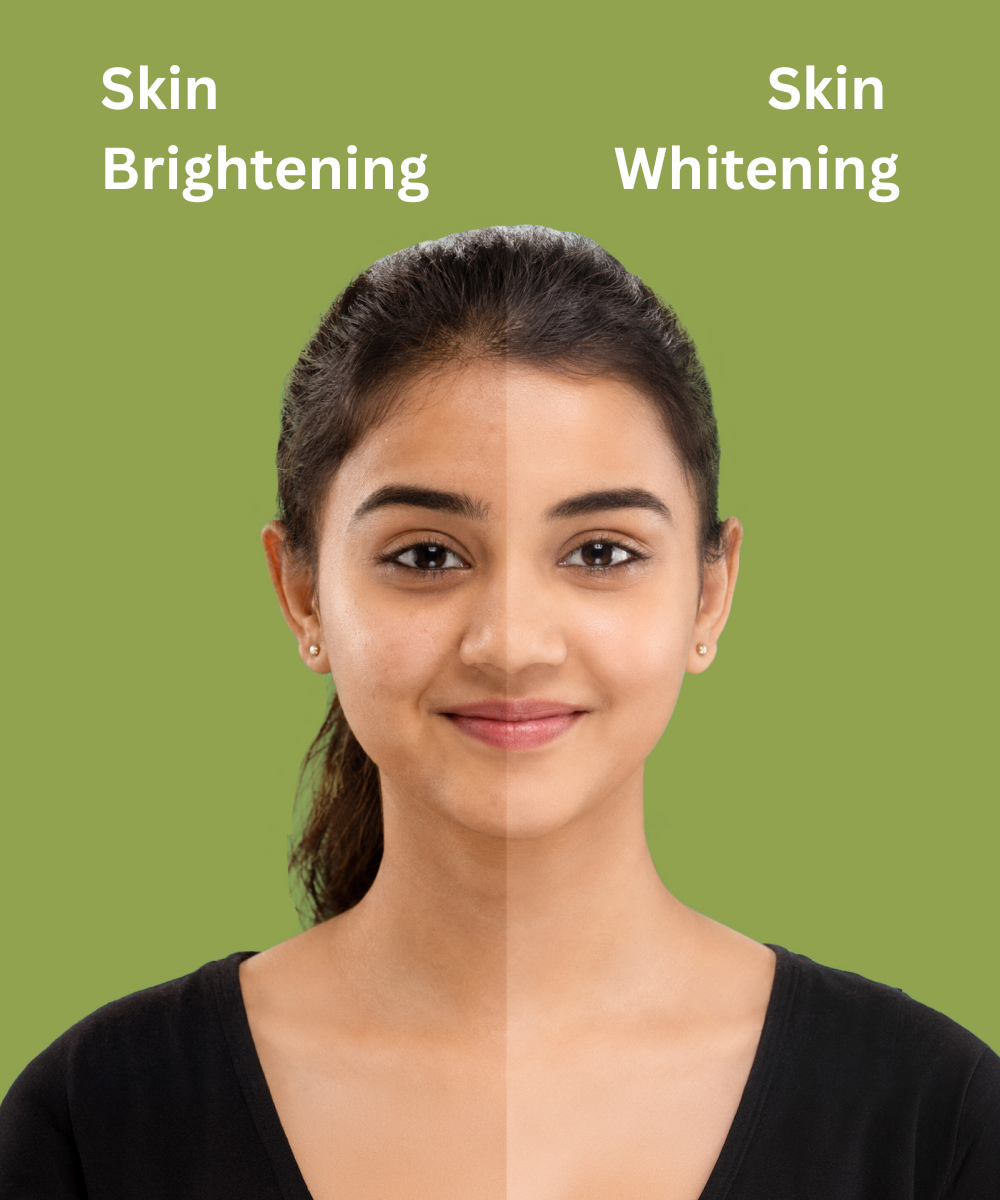
Have you ever stood in the skincare aisle wondering whether to choose a brightening product or a whitening one? You're not alone. These two words are often used interchangeably, but they don't mean the same thing, and understanding the difference can completely change how you care for your skin.
“Every skin tone is biologically unique and beautiful. As cosmetic scientists, our role is not to redefine your skin tone but to help your skin express its healthiest version. Many people assume brighter skin means lighter skin but today’s skincare science defines brighter skin as healthy skin in the form of improving clarity, reducing dullness, evening out skin tone and bringing back your skin's natural radiance”
- Kannan D.S, Head of R&D, Vilvah Store Coimbatore
In this guide, we'll break down the difference between brightening v/s whitening, explain how each approach works, clear up common skincare myths, and help you choose products that actually support healthy-looking skin. We'll also explore the ingredients that the dermatologists at Vilvah recommend for tackling dullness, dark spots, and uneven skin tone.
By the end of this article, you'll know exactly what your skin needs, and why a targeted brightening serum can be a smart addition to your daily routine.
Brightening vs Whitening: What's the Difference?
What Is Skin Brightening?
Brightening simply means to clear your skin and reduce imperfections. Brightening targets acne spots, marks, pigmentation and other skin irregularities that cause dullness. A good brightening routine should help you:
- Enhance natural skin tone
- Improve radiance
- Reduce dullness
- Target pigmentation
- Support healthy skin barrier
- Not change your natural complexion
Skin brightening improves your skin's natural glow by reducing dullness and uneven skin tone without altering your natural skin colour.
What Is Skin Whitening?
The term ‘whitening’ traditionally refers to making the skin appear lighter than its natural tone.
Whitening treatments were all the fad for a long time. It included techniques such as bleaching to lighten the skin’s complexion, making you look fairer. This usually required undergoing chemical techniques that destroyed the skin’s natural health and barrier function. Many cosmetic products promise whitening by:
- Reducing melanin production (or)
- Contains chemicals to lighten the skin tone
Skin whitening aims to lighten skin tone, while skin brightening focuses on improving clarity, luminosity, and evenness.
Why Skin Brightening Is Becoming the Preferred Approach
Vilvah has always stood for brightening over whitening. Whitening alters the skin’s natural texture, color, and functionality, which might cause permanent damage to your skin. It is important to celebrate your natural skin tone and focus on skin health rather than ‘fairness’. Fairness does not always equal great skin health or beauty.
“A good brightening routine should focus on reducing dullness and improving radiance from within. Healthy skin has a natural glow to itself, which is what we try to bring forth and preserve with our formulas.”
- Kannan D.S, Head of R&D, Vilvah Store Coimbatore
What Causes Dull Skin?

Dull skin gets way too much hate and it’s understandable. There are plenty of things that can cause dullness and it’s usually a combination of reasons rather than just one. Some of the common causes of dull skin are:
- Dead Skin Cell Build-up
- Sun Exposure
- Pollution
- Dehydration
- Post-Acne Marks
- Lack of Sleep
The good news? Most of these concerns can be improved with a consistent brightening routine. We recommend trying out the Vilvah Milk Drops Brightening Serum made with a high-performance formula including alpha arbutin and rice milk extract to reduce discoloration, pigmentation, and spots.

Ingredients That Actually Brighten Skin
Not every ingredient listed on a product actually works for your skin. Whitening creams and serums heavily rely on strong and harsh chemicals that may damage the skin and create irritation. At Vilvah, we steer clear from chemicals that can damage your skin in the name of whitening. We stand strongly against whitening treatments and fairness fads.

On the other hand, the brightening solutions we create rely on safe, simple, plant-based extracts that lightens dark spots, pigmentation, and blemishes - evening out your skin tone with every use.
1. Niacinamide
Niacinamide is a multi-tasking vitamin that helps in reducing pigmentation, improves skin’s moisture barrier function, and brightens the overall complexion by fading imperfections.
2. Rice Milk Extracts
Rice milk extract is nature's ancient beauty secret that preserves skin’s health and nourishment. It also provides long-lasting moisture and brightens the skin tone.
3. Hyaluronic Acid
Hyaluronic acid is an undefeated champion that protects the moisture function of the skin by retaining hydration in the skin. It is also great for plumping the skin and making it look youthful.
4. Antioxidants
Formulations that have antioxidant-rich ingredients such as pomegranate, berries, marine algae, saffron, and vitamin E provide protection against environmental damage and reduce dullness, signs of ageing, and overall skin stress.
5. Exfoliants
Natural exfoliators contain AHA and BHA that can help clear the build up of dead skin cells that cause dullness. They help unclog pores and help smooth skin. Over time, they can improve skin tone and create an even toned complexion.
How a Brightening Serum Fits Into Your Routine
A brightening serum helps in diminishing skin imperfection and reduces dullness. It helps with fading dark spots, pigmentation, acne marks, and other irregularities to create an even-toned appearance.
“Healthy skin isn't built in a single step. It's the result of your skin care routine and it should include, serums infused with time-tested actives like alpha arbutin or niacinamide for brighter and hydrated skin along with sunscreen as a daily essential to minimize UV-induced pigmentation and preserve the visible benefits of your day time skincare routine”
- Kannan D.S, Head of R&D, Vilvah Store, Coimbatore
For the night time routine, it is important to add a serum that consists of a gentle, anti-ageing compound. Retinol is the most popular option but there are natural alternatives that are much safer for sensitive skin or for those looking for a beginner friendly or new mom-safe formula. Vilvah’s Better Ageing Serum is perfect for such people as it contains Bakuchiol, a natural alternative to retinol, an anti-ageing active with the same efficacy.
Consistency is key when it comes to any serum - be it for brightening, hydration, or anti-ageing purposes. Most serums are designed with a potent formula but since it is a topical applicant, it requires consistent usage for maximum results.
Common Myths About Brightening and Whitening
“As someone in the science of skincare, my goal is to educate and bring awareness towards skin brightening. Many people confuse brightening with whitening and we at Vilvah want to stand by the natural skin tone and shade that makes us Indian.”
- Kannan D.S, Head of R&D, Vilvah Store Coimbatore

In the section below, we demystify some of the common myths and misconceptions around skin brightening v/s skin whitening:
Myth 1: Brightening products make you fair.
Reality:
Typical brightening products focus on reducing skin imperfections and improve overall skin radiance.
Myth 2: Whitening is healthier.
Reality:
Products that target whitening may strip off moisture and damage the moisture barrier. Healthy skin comes from hydration and barrier support.
Myth: Results happen overnight.
Reality:
No serum or cream can possibly provide an overnight solution for any skin concern. Visible improvements usually require consistent use over several weeks.
FAQ Section
1. Does brightening make skin white?
No. Brightening products improve your skin's natural radiance, reduce dullness, and help even out skin tone without changing your natural complexion.
2. Which is better: brightening or whitening?
If your goal is healthier, glowing skin with fewer dark spots and a more even complexion, brightening is generally the more suitable approach. Whitening treatments may cause damage to your skin’s health.
3. Can brightening reduce pigmentation?
Yes. Ingredients like niacinamide and other brightening actives can help improve the appearance of post-acne marks and uneven skin tone over time.
4. How long does brightening take?
Most consumers notice improvements in skin radiance within 4-8 weeks with consistent skincare and daily sun protection.
5. Can I use a brightening serum every day?
Yes. Most brightening serums are designed for daily use, but always follow the product's instructions and use sunscreen during the day.
Conclusion
When it comes to whitening vs brightening, the answer lies in the goal. Whitening focuses on lightening skin tone, while brightening is all about revealing healthier, more radiant skin by addressing dullness, dehydration, and uneven pigmentation.
Rather than trying to change your natural complexion, modern skincare encourages you to enhance it. A consistent routine featuring hydrating, skin-supporting ingredients can gradually improve clarity, texture, and overall glow.
"True cosmetic science doesn't change your identity, it helps your skin perform at its healthiest."
- Kannan D.S, Head of R&D, Vilvah Store Coimbatore
If you're looking for a product that aligns with this skin-first philosophy, the Vilvah Milk Drops Brightening Serum is a thoughtful addition to your routine. Its lightweight, hydrating formula is designed to help reduce dullness and support a naturally even-looking complexion, because glowing skin isn't about becoming lighter; it's about letting your healthiest skin shine through.
Related Stories
-

Alfalfa for Hair Growth: Benefits, Uses & What You Need to Know
-

Face Wash vs Cleanser: What's Actually Different, and Which One Does Your Skin Need
-

Hair Serum Benefits: The Missing Step in Your Hair Care Routine
-

Premature Grey Hair: Why It Happens Young and How to Slow It Down
-

Rosemary for Hair Growth: What the Research Actually Shows
-

How to Choose a Hair Growth Serum in India That Actually Works
-

Redensyl vs Minoxidil: How Each One Works and Which One Suits You
-

Redensyl for Hair Growth: Benefits, Uses, Side Effects & How It Works
-

Sulfate-Free Shampoo in India: Is It Better and How to Choose the Right One


Leave a comment
All comments are moderated before being published.
This site is protected by hCaptcha and the hCaptcha Privacy Policy and Terms of Service apply.