

 Track Order

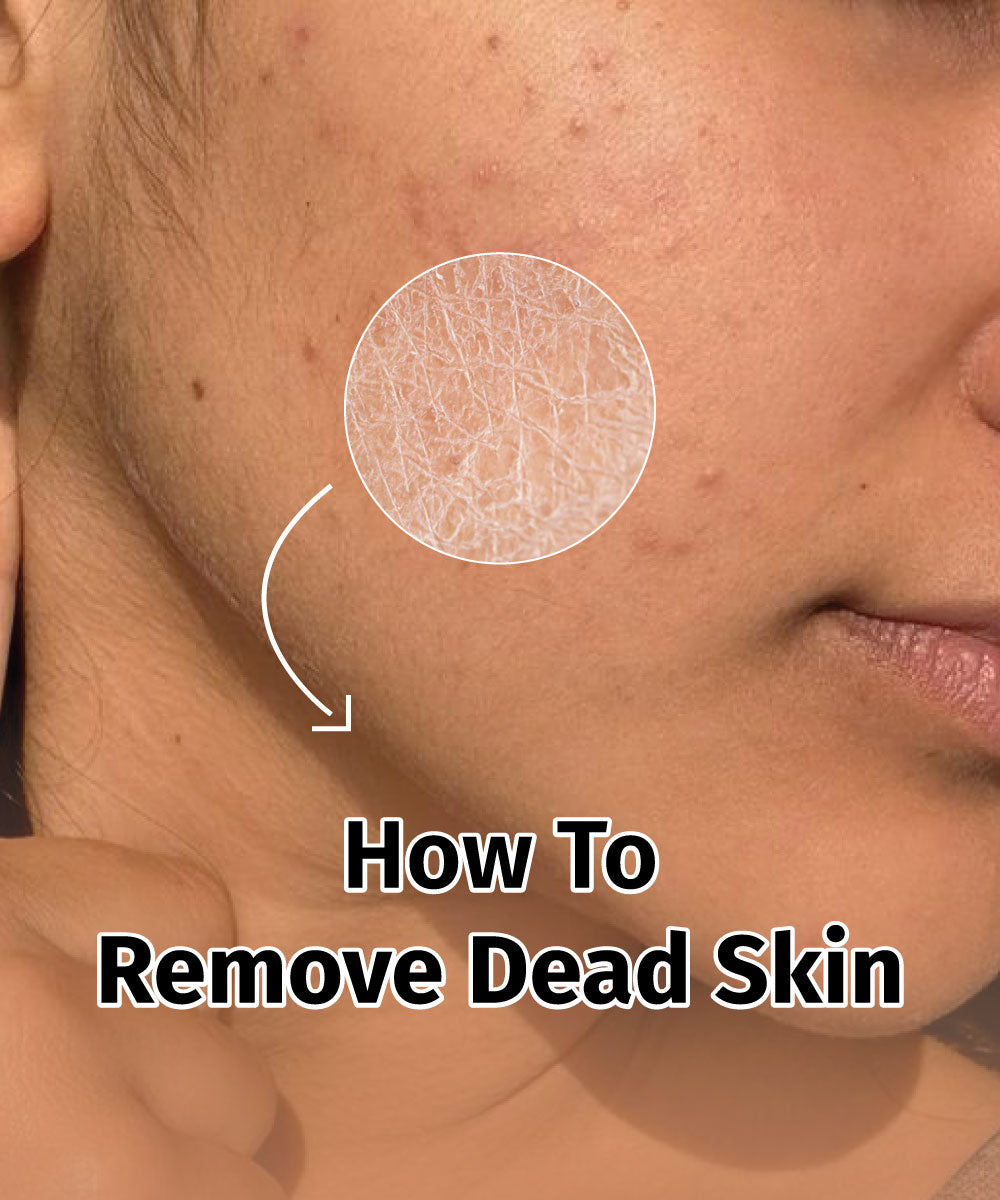
Your body sheds nearly 500 million skin cells every day. But sometimes, these cells don't fall off completely. Instead, they build up on the surface, making your skin look rough, uneven, and tired. This buildup can also make it harder for skincare products to work effectively.
The good news? Removing dead skin doesn't require complicated treatments or expensive procedures. With the right skincare routine, you can achieve smoother, brighter skin.
In this blog, you'll learn how to remove dead skin from face & body, why dead skin builds up in the first place, and how exfoliation helps.
Why Does Dead Skin Build Up?
Your skin is constantly renewing itself. Every month, your skin creates new cells and pushes older cells to the surface. Normally, these dead cells shed naturally. However, factors like aging, dehydration, pollution, sun exposure, and improper skincare can slow down this process.
When dead skin cells accumulate, you may notice:
- Dull-looking skin
- Rough texture
- Dry patches
- Clogged pores
- Uneven skin tone
- Increased breakouts
This buildup acts as a barrier, preventing your skincare products from reaching the fresh skin beneath.
Signs Your Skin Needs Exfoliation
Not sure if dead skin buildup is affecting your skin? Look for these signs.
Your skin looks dull
Healthy skin reflects light naturally. When dead cells accumulate, your complexion can appear tired and lifeless.
Products stop working well
If your favourite serum suddenly feels ineffective, dead skin buildup may be preventing proper absorption.
Makeup looks patchy
Foundation often clings to dry patches when dead skin accumulates on the surface.
Your skin feels rough
A rough texture is one of the most obvious signs of dead skin buildup.
How Does Dead Skin Affect Skin Health?
Dead skin doesn't just affect appearance. Over time, excess buildup can:
- Trap oil and dirt
- Contribute to clogged pores
- Increase the appearance of blackheads
- Make skin feel uneven
- Reduce the effectiveness of skincare products
That's why regular exfoliation is an important part of a healthy skincare routine.
How To Remove Dead Skin From Face?
The skin on your face is delicate and requires gentle care. Aggressive scrubbing can do more harm than good.
Start With Gentle Cleansing
A good cleanser can make a big difference when dealing with dull, rough skin. If you're searching for the best face wash for dead skin cells, look for a formula that not only cleanses effectively but also helps remove buildup without stripping away your skin's natural moisture.
A good face wash should:
- Clean without drying
- Support gentle exfoliation
- Maintain skin hydration
- Help improve skin texture
Remember, cleansing is your first step toward smoother skin.
Exfoliate Regularly
Regular exfoliation supports the skin's natural renewal process by clearing away this buildup and revealing fresher skin underneath. It can also help improve skin texture, promote a brighter appearance, and keep pores from becoming clogged with excess oil and dead skin.
Don't overdo it. Exfoliating too frequently can damage your skin barrier. For most people:
- 1-2 times a week is enough
- Sensitive skin may need less frequent exfoliation
Follow with hydration. Freshly exfoliated skin needs moisture. Always follow exfoliation with:
- A hydrating serum
- A lightweight moisturiser
- Sunscreen during the day
How To Remove Dead Skin From Body?
Dead skin cells can build up over time, making your skin look dull, rough, and uneven. The key to removing dead skin is to combine gentle cleansing, regular exfoliation, and proper moisturisation.
Start With a Warm Shower
Take a warm shower for 5-10 minutes to soften the skin. This helps loosen dead skin cells and prepares your skin for exfoliation.
Use a Good Body Exfoliator
2–3 times a week, use a gentle dead skin exfoliator on areas that tend to feel rough, such as elbows, knees, arms, and legs. Massage in circular motions for a minute or two and avoid scrubbing too hard.
A mild exfoliation can help remove the buildup of dead cells and give you smoother skin. Focus on rough patches and rinse thoroughly with lukewarm water.
Moisturize Immediately
After showering, apply a nourishing body lotion while your skin is still slightly damp. This helps lock in moisture and keeps skin soft and healthy-looking.
Quick Tips
- Exfoliate only 2-3 times per week.
- Always moisturise after using a dead skin scrub.
- Drink enough water to support healthy-looking skin.
- Use sunscreen on exposed areas to protect freshly exfoliated skin.
With the right routine, removing dead skin can be simple, helping your skin feel smoother & softer over time.
How To Remove Dead Skin From Feet?
Feet are often the most neglected part of the body. Because they experience constant friction and pressure, dead skin tends to build up faster on the heels and soles.
Soak Your Feet
Warm water softens hardened skin and makes exfoliation easier.
Exfoliate Gently
Use a pumice stone or foot scrub to remove buildup.
Apply Foot Cream
Hydration is essential after exfoliation. A nourishing foot cream helps soften rough skin and prevent future dryness.
Common Mistakes To Avoid
Over-exfoliating
More isn't better. Too much exfoliation can damage your skin barrier.
Using Harsh Scrubs
Large, rough particles can create tiny tears in the skin.
Skipping Moisturiser
Freshly exfoliated skin needs hydration.
Forgetting Sunscreen
Newly revealed skin is more vulnerable to sun damage. Always apply sunscreen during the day.
Smooth Skin Starts With Healthy Habits
Removing dead skin isn't about scrubbing harder. It's about helping your skin renew itself naturally.
When done correctly, exfoliation can improve texture, brighten the skin, and help your skincare products work more effectively. The goal isn't to remove as much skin as possible, but to support healthy skin turnover while keeping your skin barrier strong.
If you're looking for gentle skincare solutions that support healthy, glowing skin, explore Vilvah's face & body care range online or step into your nearest store to experience the products firsthand and discover what works best for your skin.
FAQs
1. Why Does Dead Skin Build Up on Fingers and Hands?
Dead skin can build up on fingers and hands due to dryness, frequent washing, sun exposure, or friction. This often leaves the skin feeling rough, flaky, and less smooth than usual.
2. Is It Good to Remove Dead Skin?
Yes, removing dead skin helps reveal softer, smoother skin underneath. Gentle exfoliation can improve skin texture and allow moisturizers to work more effectively.
3. What Happens If Dead Skin Is Not Removed?
When dead skin accumulates, your hands may look dull, rough, and uneven. It can also make dry patches more noticeable and reduce the effectiveness of skincare products.
4. Does Removing Dead Skin Make You Look Younger?
Removing dead skin can make your skin appear brighter, smoother, and more refreshed. While it does not stop aging, it can help your hands look healthier and more radiant.
5. How Long Does Dead Skin Stay on the Skin?
Dead skin naturally sheds as part of the skin renewal process, which usually takes about 4 to 6 weeks. However, factors like age and skin type can affect how quickly this happens.
Related Stories
-

Fitzpatrick Skin Types: Where Most Indian Skin Actually Sits
-

Skin Tone vs Skin Undertone: Why the Difference Changes What You Buy
-

How to Find Your Skin Undertone at Home: Warm, Cool or Neutral
-

Dry Scalp: Causes, Remedies & How to Treat It Effectively
-

Vilvah: Brand, Ingredients and Product FAQs
-

Hair Serum v/s Hair Oil: Key Differences Explained With Benefits
-

Alfalfa for Hair Growth: Benefits, Uses & What You Need to Know
-

Face Wash vs Cleanser: What's Actually Different, and Which One Does Your Skin Need
-

Hair Serum Benefits: The Missing Step in Your Hair Care Routine
-

Premature Grey Hair: Why It Happens Young and How to Slow It Down


Leave a comment
All comments are moderated before being published.
This site is protected by hCaptcha and the hCaptcha Privacy Policy and Terms of Service apply.