

 Track Order

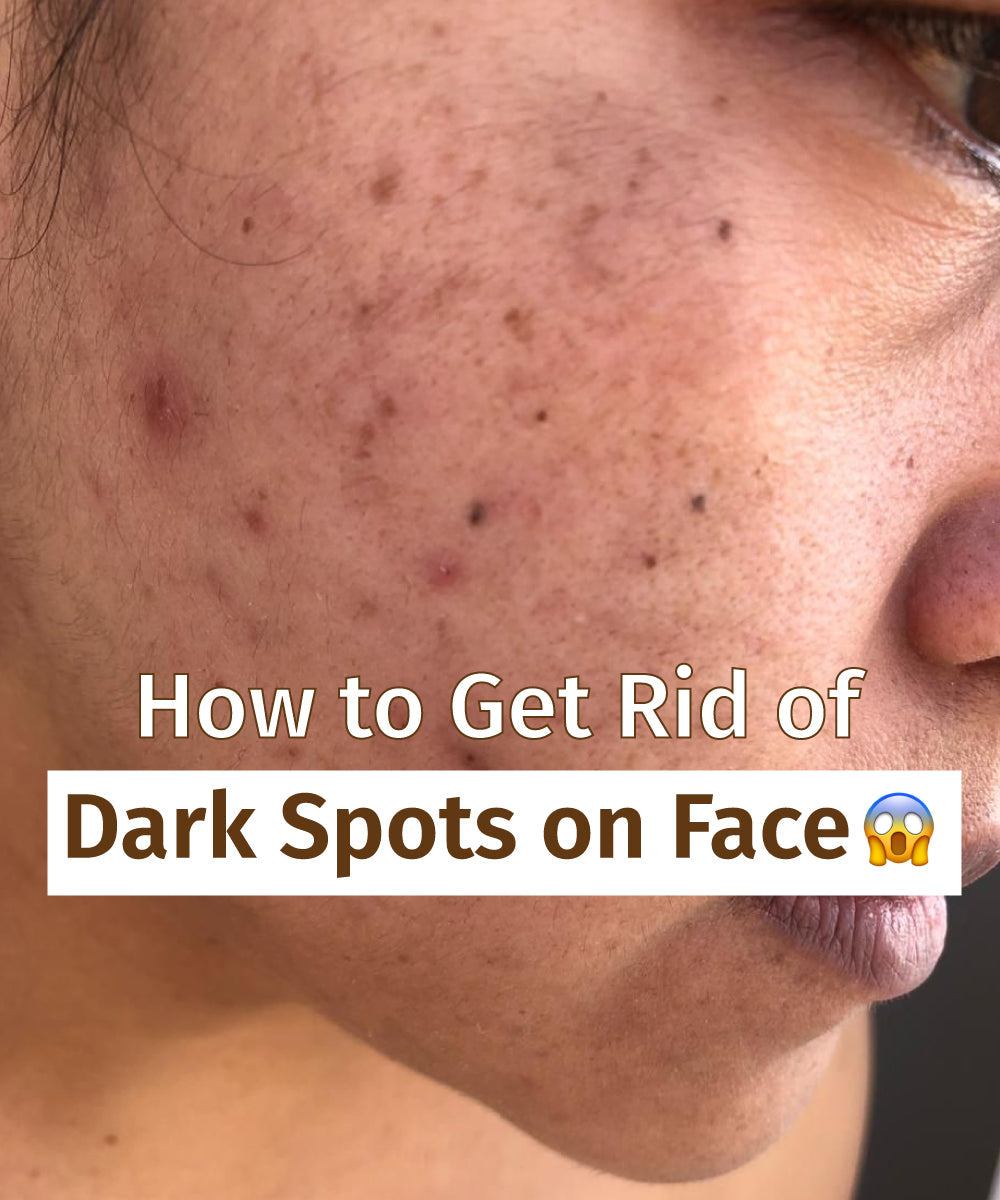
Dark spots are one of the most common skin concerns, yet also one of the most misunderstood. Many people try random products, harsh scrubs, and “quick fixes,” only to make the problem worse. Dark spots don’t fade because of luck. They fade when the skin is treated with the right care, the right ingredients, and a consistent skincare routine.
This guide breaks down the real reasons dark spots appear and the methods that actually help them fade.
Why do dark spots form in the first place?
Dark spots are the result of excess melanin production. The skin creates more pigment when it feels threatened or damaged. The triggers are usually simple:
1. Sun exposure
UV rays increase melanin and make existing dark spots look darker. Even a few minutes of unprotected sun exposure every day can lead to uneven tone.
2. Post-inflammatory hyperpigmentation (PIH)
Pimple marks, picking at acne, or any injury to the skin can leave behind brown spots that take time to fade.
3. Hormonal changes
Hormonal imbalance can increase pigmentation, especially around the cheeks and forehead.
4. Skin irritation
Using harsh scrubs, strong actives, or the wrong skincare products can trigger more pigment instead of reducing it.
Understanding the cause is the starting point. Once the triggers are under control, dark spots become easier to treat.
Common mistakes that make dark spots worse
Many routines fail not because the products are wrong, but because the approach is wrong. These are the most common mistakes:
Over-exfoliation
Scrubbing harder will not fade pigment. It damages the skin barrier, causes inflammation, and deepens the spot.
Using too many brightening actives at once
Combining Vitamin C, AHA, BHA, retinol, and random “whitening creams” creates chaos for the skin. Irritation leads to more pigmentation.
Skipping sunscreen
This is the biggest reason dark spots don’t fade. Without SPF, no serum or treatment will show visible improvement.
Expecting results in one week
Skin turnover takes time. Dark spots need a consistent routine, not a miracle cure. A consistent routine works better than aggressive treatments.
The right strategy: calm the skin + correct the pigment
Fading dark spots requires a simple two-phase method:
- First, calm the skin, then correct the pigmentation.
- This approach ensures long-term results without irritation.
PHASE 1: Calm the skin
Before treating pigmentation, the skin barrier must feel safe and supported. When the barrier is healthy, treatments work better and faster.
1. Switch to a gentle face wash
Avoid harsh foaming face wash. Use formulas that clean without stripping moisture. A mild, brightening face wash such as Milk Powder Face Wash infused with Fermented Rice Milk & Papain Enzyme works well.
2. Add lightweight hydration
A good Ultra Moisturising Cream helps reduce irritation, redness, and inflammation, key contributors to pigmentation.
3. Use sunscreen every day
This is non-negotiable. UV rays darken spots, slow down healing, and undo weeks of progress. A broad-spectrum SPF50 used daily is the strongest weapon against pigmentation. Once the skin is calm and protected, it is ready for targeted brightening ingredients.
PHASE 2: Correct the pigment
Safe, plant-based actives help lighten dark spots by slowing melanin production and supporting healthy cell turnover. The most effective ingredients include:
1. Rice milk extract
Known for its natural brightening properties, rice milk extract helps reduce dullness and fade pigmentation without irritating the skin. It hydrates, softens, and supports a more even tone, making it ideal for sensitive and beginner-friendly routines.
2. Marine algae extract
Marine algae are loaded with antioxidants and minerals that help repair skin damage caused by pollution and UV exposure, two major triggers for dark spots. It helps strengthen the skin barrier, calm inflammation, and improve clarity over time.
3. Alpha arbutin
A trusted brightening ingredient, alpha arbutin slows down excess melanin production and targets stubborn dark spots with precision. It works gradually and safely, making it suitable for long-term daily use.
All three of these powerful ingredients, Rice Milk Extract, Marine Algae Extract, and Alpha Arbutin, come together in Milk Drops Brightening Serum, creating a gentle water-based formula that helps reduce pigmentation, fade dark spots, and give visibly brighter skin in just 4 weeks.
“This is a beginner-friendly serum anyone can use. We chose gentle, plant-based actives so even moms-to-be can use it with confidence.”
- Kruthika Kumaran, Founder of Vilvah.
A simple routine that helps fade dark spots
A clear, consistent routine is more effective than using too many products.
Morning routine
- Gentle cleanser
- Milk Drops Brightening Serum to reduce dark spots
- Moisturiser
- Sunscreen to protect your skin
Night routine
- Milk Powder Face Wash to reduce dark spots & oil buildup throughout the day
- Serum to prep your skin
- Good Moisturiser
This routine supports the skin barrier, fades pigment, and protects the skin from further damage. Visible results typically appear within 4 weeks.
Dark spots don’t fade overnight
Dark spots are stubborn but not permanent. They fade when the skin is protected, nourished, and given the right products consistently. A calm barrier, targeted brightening ingredients, and daily sun protection create long-lasting clarity and glow.
The formula is simple: Protect. Brighten. Be consistent.
For an easy start, both the Milk Powder Face Wash and Milk Drops Brightening Serum are available as a Face Brightening Combo on the Vilvah online store and at the nearest Vilvah outlet, making it simple to build a routine that supports clear, even-toned skin.
FAQs
1. What are dark spots on the face?
Dark spots are areas where melanin builds up due to sun exposure, acne marks, or skin damage. They make the skin look uneven, but with the right care, they can fade over time.
2. What are the types of dark spots on the face?
Common types include acne marks, sunspots, age spots, and post-inflammatory pigmentation. Each develops differently, but all respond well to gentle brightening care and sun protection.
3. How to reduce pimple dark spots on the face?
Use a gentle cleanser, apply a brightening serum with rice milk extract or alpha arbutin, moisturise, and use sunscreen daily. Consistency helps pimple marks fade faster.
4. What is the best skincare for dark spots on the face?
A mild cleanser, a gentle brightening serum like Milk Drops, a good moisturiser, and SPF50 every day. This simple routine fades spots without irritating the skin.
5. What’s the best soap to remove dark spots on face?
The best soaps for dark spots are Tomato & Pink Clay Soap, Cucumber Curd & Mint Soap, and Charcoal Goatmilk Soap. They help brighten pigmentation, calm inflammation, and gently detoxify the skin, making dark spots fade naturally with consistent use.
Related Stories
-

Alfalfa for Hair Growth: Benefits, Uses & What You Need to Know
-

Face Wash vs Cleanser: What's Actually Different, and Which One Does Your Skin Need
-

Hair Serum Benefits: The Missing Step in Your Hair Care Routine
-

Premature Grey Hair: Why It Happens Young and How to Slow It Down
-

Rosemary for Hair Growth: What the Research Actually Shows
-

How to Choose a Hair Growth Serum in India That Actually Works
-

Redensyl vs Minoxidil: How Each One Works and Which One Suits You
-

Redensyl for Hair Growth: Benefits, Uses, Side Effects & How It Works
-

Sulfate-Free Shampoo in India: Is It Better and How to Choose the Right One
-

Brightening v/s Whitening: Why Healthy Skin Is the New Beauty Standard


Leave a comment
All comments are moderated before being published.
This site is protected by hCaptcha and the hCaptcha Privacy Policy and Terms of Service apply.