

 Track Order

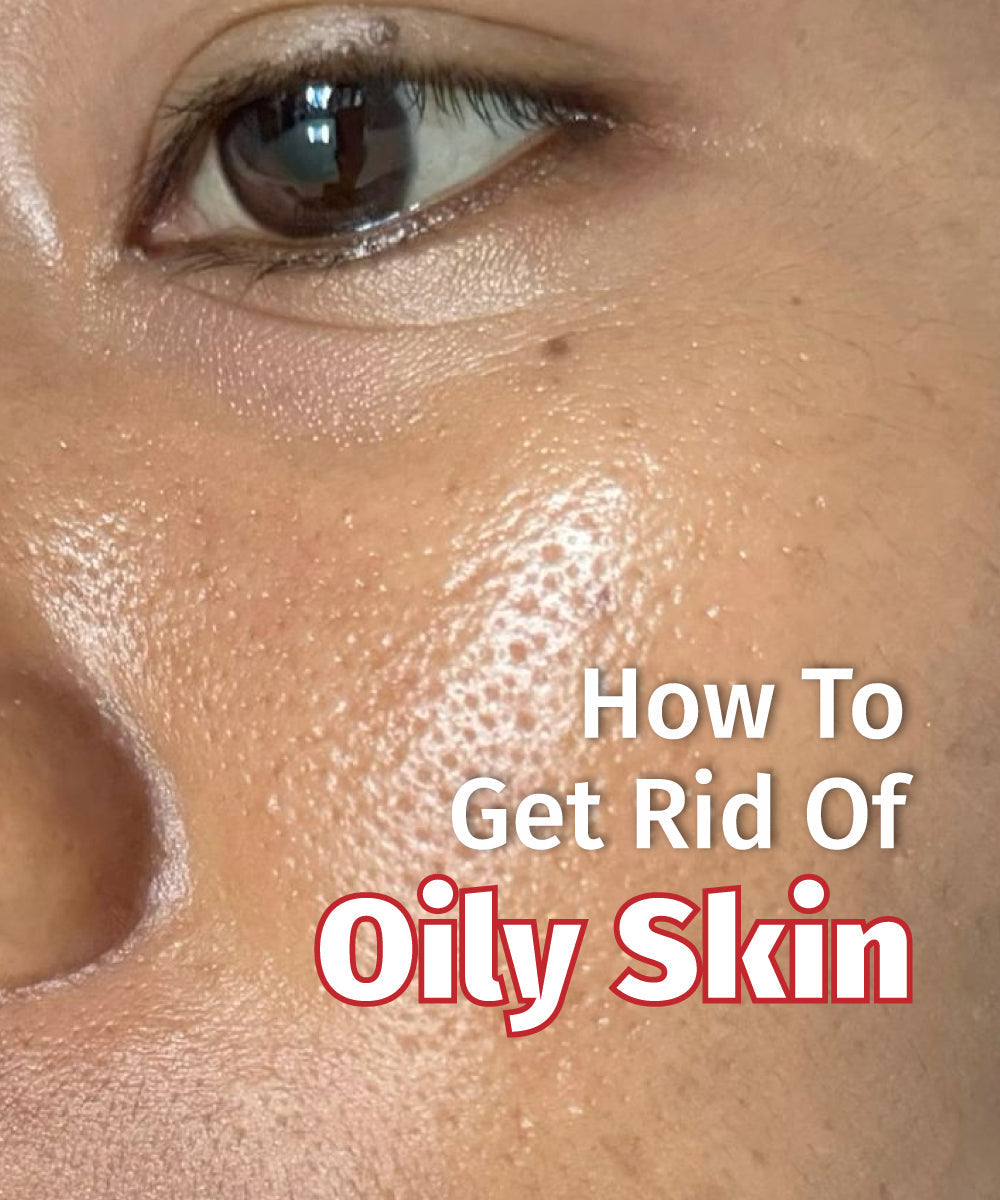
You know that moment when your face feels greasy, only for you to realise you washed it just a couple of hours ago. Your T‑zone turns shiny, makeup starts smudging, sunscreen gives up… and those pores? Yes, they’re feeling a little rebellious.
That’s oily skin making itself known. We know it feels messy, annoying, and honestly, hard to manage. And we’re here to tell you how to remove excess oil and balance your oily skin, naturally.
What causes oily skin and how to control it?
Do you know? Your skin naturally produces oil to protect and hydrate itself. That’s a good thing. But when it feels:
- Sticky
- Greasy
- Heavy
- Prone to acne and blackheads
It means your oil glands are overactive. A few common triggers are:
- Hormonal changes
- Stress
- Hot, humid weather
- Using the wrong skincare products
- Over-washing your face (yes!)
Alright, we’ll help you balance it the right way.
How to get rid of oily skin?
Start with the basics that most people get wrong:
- Wash your face only twice a day
- Use lukewarm water
- Pat your skin dry (don’t rub)
- Change your pillowcases every 3 to 4 days
- Avoid touching your face often
Why this matters:
When you over-cleanse or scrub too hard, your skin thinks it’s under pressure. And it starts producing even more oil. Sweat, dead skin cells, and bacteria can build up quickly on your pillowcase. When your face rests on it every night, it can clog pores and cause breakouts.
How to treat oily skin without triggering breakouts?
Here’s where many people struggle. You try to fix oiliness and end up with:
- More pimples and breakouts
- Allergic reactions
- Skin peeling
- Dryness
- Redness and sensitivity
- Uneven skin texture
Usually, they happen when the skin barrier is damaged. Here are some tips to treat oily skin the right way.
Oily skin care routine with the best products
You don’t need a 10-step routine. A simple 3-step routine works.
Step 1: Face wash
Use the best face wash for oily skin, that cleanses deeply without over-drying your skin. Look for one that is:
- Non-comedogenic
- Free from talc and fragrance
- Has natural oil-absorbers like cornstarch and rice milk
- Teenage-friendly
- Comes in a powder form, activated fresh every time
Like the Milk Powder Face Wash. It’s a waterless formula, unlike regular face washes. It gently removes excess oil and clears blackheads. Instantly brightens dull skin and hydrates with hyaluronic acid.
Use it:
In your morning and night routine.
Especially after sweating.
Step 2: Serum
Apply the best serum for oily skin. It helps balance your skin and not just mask oiliness. Look for one that is:
- Water-based and lightweight
- Fast absorbing and non-greasy
- A safer alternative to Vitamin C serum
- Safe for beginners, teenage-friendly.
- Made with rice milk (absorbs excess oil & mattifies skin)
That’s why Milk Drops Brightening Serum works so well. Oily skin is prone to clogged pores and breakouts. When those heal, they can leave behind acne marks, dark spots, or pigmentation. This brightening serum helps fade them, evens out your tone, and gives you a natural glow.
Use it:
In your morning and night routine.
Step 3: Moisturiser
Never skip moisturiser for oily skin. When you do, your skin gets dehydrated. And it produces more oil to compensate. That’s when extra shine and breakouts happen. Look for one that is:
- Lightweight
- Non-greasy
- Has olive squalane and white lily for 3D hydration
- Free from silicones, surfactants, and fragrance
- Clinically proven
Just like Vilvah’s Ultra Moisturising Cream. It restores your skin’s natural balance and keeps sebum production in check. It gives an instant moisture boost and makes your skin soft and nourished. Plus, it creates a smooth base for makeup.
Use it:
In your morning and night routine (even if your skin feels oily) Anytime your skin needs it.
How to choose the best soap for oily skin?
The face shows oiliness the most. Because it has more sebaceous (oil) glands. But other parts of the body are often overlooked, and they can get oily too. It can also show up on:
- Neck
- Chest
- Upper back
- Shoulders
- Arms
Using harsh soap bars can damage your skin barrier. Go for a natural, pH-balanced soap for oily skin like Charcoal Goat Milk Soap. It helps control oil and clear acne naturally. It detoxifies your skin and leaves it feeling fresh, soft, and moisturised.
How to prevent oily skin from the inside out?
Your skincare works better when your lifestyle supports it. Consume more:
- Fruits
- Leafy greens
- Whole grains
- Omega-3-rich foods (like salmon and walnuts)
Cut down:
- Deep-fried foods
- Sugary drinks
- Too much dairy
- Highly processed junk foods
Must-dos:
- Drink at least 8 glasses of water
- Sleep for 7 to 8 hours
- Clean makeup tools weekly
- Wash your face after exercise
This helps reduce inflammation inside your body, which directly affects oil production and breakouts.
You don’t need to ‘Fix’ your skin
Oily skin isn’t bad. Don’t attack it. Just help it a little with gentle care from our range of natural skincare products. They’re carefully made to balance, nourish, and brighten your skin - just the way it needs.
You can shop them at the Vilvah Store Online or visit your nearest Vilvah outlet.
FAQs
1. Is niacinamide good for oily skin?
Yes, niacinamide is great for oily skin. It helps control excess oil, reduce the look of pores, and calm breakouts without making skin feel dry or tight.
2. Is hyaluronic acid and salicylic acid good for oily skin?
Yes, they work well together. Salicylic acid clears oil and clogged pores, while hyaluronic acid keeps skin hydrated so it doesn’t overproduce oil.
3. Is aloe vera good for oily skin?
Absolutely. Aloe vera soothes irritation, controls excess oil, and hydrates lightly without clogging pores, making oily skin feel fresh and balanced.
4. Does oily skin cause pimples?
Oily skin itself isn’t bad, but excess oil can trap dirt and bacteria. When pores clog, pimples form, which is why proper cleansing is important.
5. How much SPF is good for oily skin?
SPF 30 to SPF 50 is ideal for oily skin. A lightweight, non-greasy sunscreen protects from sun damage without making skin feel heavy or sticky.
Related Stories
-

Fitzpatrick Skin Types: Where Most Indian Skin Actually Sits
-

Skin Tone vs Skin Undertone: Why the Difference Changes What You Buy
-

How to Find Your Skin Undertone at Home: Warm, Cool or Neutral
-

Dry Scalp: Causes, Remedies & How to Treat It Effectively
-

Vilvah: Brand, Ingredients and Product FAQs
-

Hair Serum v/s Hair Oil: Key Differences Explained With Benefits
-

Alfalfa for Hair Growth: Benefits, Uses & What You Need to Know
-

Face Wash vs Cleanser: What's Actually Different, and Which One Does Your Skin Need
-

Hair Serum Benefits: The Missing Step in Your Hair Care Routine
-

Premature Grey Hair: Why It Happens Young and How to Slow It Down


Leave a comment
All comments are moderated before being published.
This site is protected by hCaptcha and the hCaptcha Privacy Policy and Terms of Service apply.