

 Track Order

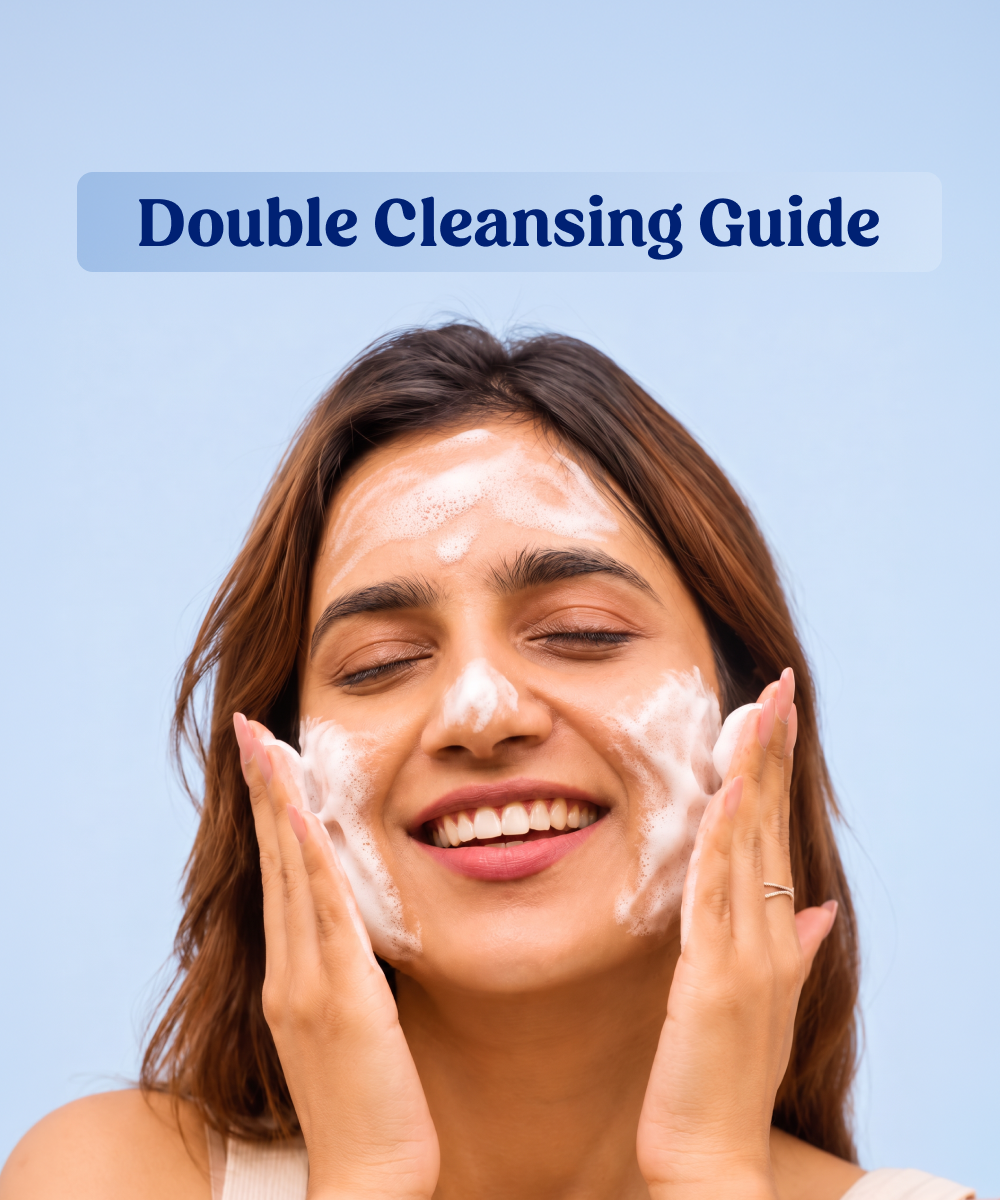
Your evening skincare routine does more than wash away the day. It helps remove sunscreen, makeup, excess oil and the everyday buildup that settles on your skin. But sometimes, one cleanse may not be enough to remove long-wearing makeup or water-resistant sunscreen completely. That’s where double cleansing comes in.
Popular in Korean and Japanese skincare routines, double cleansing involves using two different types of cleansers, one after the other, to help remove different kinds of impurities. But is it necessary for everyone? How do you do it correctly, and which cleansers should you choose?
In this guide, we’ll explore what double cleansing is, the importance of double cleansing, how to do double cleansing step by step, and how to build a double cleansing routine that suits your skin. We’ll also look at how to incorporate Vilvah favourites, including Milk Powder Face Wash, Honey Fix Face Wash, Cream Face Wash into your skincare routine.
What Is Double Cleansing?
Double cleansing is a two-step facial cleansing method that uses two complementary cleansing products. Traditionally, the first step involves an oil-based cleanser or cleansing balm, while the second uses a water-based cleanser.
Each step has a different purpose:
- First cleanse: Helps dissolve makeup, sunscreen, excess sebum and other oil-based residue.
- Second cleanse: Helps wash away remaining residue, sweat, dirt and other surface impurities.
The idea is simple: instead of relying on one cleanser to remove everything, you use two steps to cleanse your skin thoroughly without needing to scrub aggressively. Read more about cleansers and face washes, and which one is appropriate for your skin, here.
Double cleansing is usually done in the evening, especially if you wear makeup or water-resistant sunscreen. However, it is an optional skincare method rather than a must-do step for everyone. A single gentle cleanse may be sufficient if you wear little makeup and your skin feels clean after washing. Cleveland Clinic explains the double cleansing method here.
What Is the Importance of Double Cleansing?
The importance of double cleansing lies in helping remove stubborn makeup, sunscreen and excess oil more effectively when a single cleanse does not feel sufficient.
Here are some potential benefits of double cleansing:
1. Helps Remove Makeup and Sunscreen
Water-resistant sunscreen and long-wearing makeup are designed to stay on your skin. An oil-based cleanser or cleansing balm can help break down these products, making them easier to remove before your regular face wash.
This is particularly useful if you wear foundation, waterproof mascara, tinted sunscreen or multiple layers of skincare and makeup.
2. Helps Remove Excess Oil and Surface Buildup
Your skin naturally produces sebum, or oil, which can mix with sweat, makeup and environmental debris. The first cleansing step helps loosen oil-based residue, while the second helps wash away what remains.
The goal is to leave your skin clean and comfortable, not stripped of its natural moisture.
3. Creates a Clean Base for the Rest of Your Skincare
Cleansing is the first step in most skincare routines. Once your skin is clean, you can follow with leave-on products such as serums and moisturisers.
For example, after cleansing, you can apply Vilvah Milk Drops Brightening Serum, formulated with ingredients such as alpha arbutin, rice milk extract, marine algae extract and hyaluronic acid. It is designed to help address the appearance of dark spots and uneven skin tone while supporting hydration. Explore Milk Drops Brightening Serum.
Remember, double cleansing does not automatically make your skincare products more effective. It simply helps ensure that your skin is adequately cleansed before you apply them.
4. May Help Reduce Leftover Residue
If you regularly wear heavy makeup or water-resistant sunscreen, one cleanse may leave some product residue behind. A suitable two-step routine can help remove it more thoroughly.
However, double cleansing is not a guaranteed treatment for acne, blackheads or enlarged pores. These concerns may need targeted ingredients and, in some cases, advice from a dermatologist.
How to Do Double Cleansing: A Step-by-Step Guide
Learning how to do double cleansing is straightforward. You need two suitable cleansing steps, a gentle technique and no unnecessary scrubbing.
Step 1: Start With an Oil-Based Cleanser or Cleansing Balm
Begin with clean hands and apply an oil-based cleanser or cleansing balm to dry skin, following the product instructions.
Gently massage it over your face to help dissolve makeup, sunscreen and excess sebum. Pay attention to areas where makeup tends to collect, such as around the nose and hairline.
If you prefer not to use an oil cleanser, micellar water can be an alternative first step for removing makeup and some sunscreen. Follow its directions, including whether rinsing is recommended.
Step 2: Rinse or Remove the First Cleanser
Rinse the cleanser according to its instructions, using lukewarm water. If you use micellar water, follow the directions on the packaging.
Avoid hot water, rough washcloths and vigorous rubbing. These can irritate your skin, especially if it is dry or sensitive.
Step 3: Follow With a Water-Based Face Wash
Now use a gentle water-based cleanser suited to your skin type. This second cleanse helps remove any remaining residue, sweat and surface impurities.
Here are three Vilvah options you can consider:
- Milk Powder Face Wash: A powder-to-foam cleanser formulated with rice-based ingredients, hyaluronic acid and papain enzyme. It helps cleanse the skin, manage excess oil and gently exfoliate.
- Honey Fix Face Wash: An option to consider if you prefer a cleanser positioned for oily and acne-prone skin. Vilvah highlights its role in helping control excess oil and balance skin pH.
- Cream Face Wash: A fragrance-free option designed to cleanse and hydrate while helping relieve the feeling of dryness and flaking. It may be worth considering if your skin tends to feel dry after cleansing.
You can explore these options in Vilvah’s face wash collection.
Important: These are second-step cleansing options, not substitutes for an oil-based first cleanser when you need to remove stubborn, water-resistant makeup or sunscreen. Choose the cleanser that suits your skin rather than using all three in one routine.
Step 4: Rinse and Pat Your Skin Dry
Rinse your face thoroughly with lukewarm water until no cleanser remains. Gently pat your skin dry with a clean, soft towel instead of rubbing.
Your skin should feel comfortable and clean - not tight, squeaky or irritated.
Step 5: Follow With Your Skincare Routine
Once cleansing is complete, apply your usual leave-on skincare products.
For example, if your goal is to address dullness or the appearance of dark spots and hyperpigmentation, you can follow with Vilvah Milk Drops Brightening Serum and a suitable moisturiser. In the morning, finish with broad-spectrum sunscreen.
You do not need to add more products simply because you have added another cleansing step. A simple, consistent routine is often easier to maintain.
How to Build a Double Cleansing Routine for Your Skin Type
The best double cleansing routine depends on your skin type, the products you use and how your skin feels after cleansing.
For Oily or Acne-Prone Skin
If you have an oily skin or you regularly wear sunscreen and makeup, double cleansing may help remove buildup at the end of the day.
- First cleanse: A lightweight cleanser or micellar water.
- Second cleanse: Vilvah Milk Powder face wash is best suited with an oil clearing, balancing action.
- After cleansing: Use your usual non-comedogenic moisturiser and appropriate targeted skincare.
Avoid harsh scrubbing or repeatedly washing your face to control oil. Over-cleansing can irritate the skin and make it feel uncomfortable.
For Dry Skin
Dry skin often benefits from a gentle, moisture-conscious approach. Double cleansing may be useful when you wear makeup or water-resistant sunscreen, but it is not necessary every evening if one cleanse is enough.
- First cleanse: A gentle cleansing oil or balm, if needed.
- Second cleanse: A mild, hydrating cleanser such as Vilvah Cream Face Wash.
- After cleansing: Apply a moisturiser suited to your skin.
If your skin feels tight or flaky after double cleansing, consider simplifying your routine.
For Combination Skin
Combination skin can be oily in some areas and dry in others. Choose products that cleanse effectively without leaving your cheeks feeling stripped.
- First cleanse: An oil cleanser or micellar water as needed.
- Second cleanse: A gentle cleanser, such as Vilvah Honey Fix Face Wash that clears oil while also hydrates.
- After cleansing: Use a moisturiser based on your skin's hydration needs.
You can adjust your approach depending on how your skin feels rather than following a rigid routine.
For Sensitive Skin
Sensitive skin may not need two cleansing steps every day. Start with a gentle, fragrance-free cleanser such as the Vilvah Cream Cleanser and consider a first cleanse only when necessary to remove makeup or stubborn sunscreen.
If you choose to double cleanse, keep both steps gentle. Stop or simplify the routine if you notice stinging, redness, tightness or increased dryness.
For persistent irritation or an existing skin condition, consult a dermatologist before introducing a new cleansing method.
Can You Double Cleanse Every Day?
Yes, some people can double cleanse every evening, particularly if they regularly wear makeup or water-resistant sunscreen. However, daily double cleansing is not essential for everyone.
If you wear minimal makeup and a single gentle cleanse removes your daily products effectively, there may be no need for a second step.
Pay attention to how your skin responds. If it becomes dry, tight, red or irritated, reduce the frequency or return to a single cleanse. The aim is effective cleansing without compromising your skin's comfort.
Common Double Cleansing Mistakes to Avoid
Even a well-designed skincare routine can become counterproductive if you overdo it. Keep these common mistakes in mind:
Using Two Harsh Cleansers
More cleansing does not necessarily mean cleaner skin. Pairing two strong or drying cleansers can leave your skin feeling stripped. Choose gentle products that work well together.
Scrubbing Too Hard
You do not need to scrub away makeup or impurities. Gentle massage is enough to help loosen residue, while aggressive rubbing can irritate the skin.
Double Cleansing When You Do Not Need It
If your skin feels clean after one gentle wash, adding another step may offer little benefit. Double cleansing should address a need, not simply add complexity to your routine.
Expecting Double Cleansing to Treat Every Skin Concern
Double cleansing helps remove makeup, sunscreen and surface impurities. It does not replace targeted treatments for acne, pigmentation or other skin conditions. A gentle serum such as the Vilvah Milk Drops Serum can provide targeted treatment for acne marks and pigmentation.
Skipping Moisturiser and Sunscreen
After cleansing, use skincare that supports your skin's hydration needs. Sunscreen remains an important part of daytime skincare, even if you follow a thorough cleansing routine at night.
How Does Double Cleansing Fit Into Vilvah's Face Brightening Routine?
Cleansing and treating your skin serve different purposes. Cleansers remove dirt, oil and product residue, while leave-on products are formulated to address specific skin concerns.
Vilvah's Face Brightening Combo brings together Milk Powder Face Wash and Milk Drops Brightening Serum to support a routine focused on cleansing and brighter-looking, more even-toned skin.
Here is how you can incorporate these products into an evening routine:
- First cleanse: Use an oil-based cleanser or micellar water if you need help removing stubborn makeup or water-resistant sunscreen.
- Second cleanse: Use Vilvah Milk Powder Face Wash to cleanse your skin.
- Treat: Apply Vilvah Milk Drops Brightening Serum as directed.
- Moisturise: Finish with a moisturiser suited to your skin type.
If you do not need a first cleanse, you can simply use Milk Powder Face Wash and continue with the rest of your routine.
The Face Brightening Combo is a convenient option if you are looking to pair cleansing with a serum formulated to address dark spots and uneven skin tone. Keep in mind that the combo is not itself a two-cleanser system: the Milk Powder Face Wash is the cleansing step, while Milk Drops is a leave-on serum.
Frequently Asked Questions About Double Cleansing
What is double cleansing in skincare?
Double cleansing is a two-step facial cleansing method that traditionally uses an oil-based cleanser first and a water-based cleanser second. It can help remove makeup, sunscreen, excess sebum and other surface impurities more thoroughly.
How do you do double cleansing correctly?
Start with an oil cleanser or cleansing balm on dry skin, massage gently and remove it according to the product instructions. Follow with a suitable water-based face wash, rinse thoroughly and pat your skin dry. Finish with your regular skincare routine.
Is double cleansing necessary every day?
No. It may be helpful if you wear makeup or water-resistant sunscreen, but many people can cleanse effectively with one gentle face wash. Choose based on your skincare habits and your skin's response.
Can I use the same face wash twice for double cleansing?
You can wash twice, but the traditional double cleansing method uses two different types of cleansers because they help remove different kinds of residue. Repeating the same face wash is not always necessary and may increase the risk of dryness or irritation.
Can I use Vilvah Milk Powder Face Wash for double cleansing?
Yes, Vilvah Milk Powder Face Wash can be used as the second cleansing step after an oil-based cleanser or micellar water when needed. It is a powder-to-foam face wash designed to cleanse the skin and help manage excess oil.
Can I use Vilvah Honey Fix Face Wash or Cream Face Wash for double cleansing?
Either may work as the second cleansing step, depending on your skin's needs. Honey Fix Face Wash is positioned for oily and acne-prone skin, while Cream Face Wash is designed to cleanse and hydrate skin prone to dryness and flaking. Always choose the product that feels comfortable on your skin.
Does double cleansing help with acne or dark spots?
Double cleansing may help remove makeup, sunscreen and excess oil, but it is not a standalone acne or pigmentation treatment. For dark spots and uneven skin tone, a targeted leave-on product such as Vilvah Milk Drops Brightening Serum may complement your routine. Persistent acne or pigmentation may require advice from a dermatologist.
Should I double cleanse in the morning or at night?
Double cleansing is generally most useful in the evening, when you are removing makeup, sunscreen and buildup from the day. In the morning, a single gentle cleanse - or rinsing with water, depending on your skin's needs - may be sufficient.
Conclusion: Keep Your Double Cleansing Routine Simple
Double cleansing can be a useful addition to your skincare routine when one cleanse is not enough to remove makeup, water-resistant sunscreen or excess oil. By using an appropriate first cleanser followed by a gentle face wash, you can help remove daily buildup without relying on harsh scrubbing.
The most important thing to remember is that double cleansing is optional, not compulsory. Choose products that suit your skin type, avoid over-cleansing and follow with skincare that addresses your individual needs.
Whether you choose Vilvah Milk Powder Face Wash, Honey Fix Face Wash or Cream Face Wash for your second cleanse, let your skin guide your routine. And when you want to focus on brighter-looking skin and the appearance of dark spots, a leave-on serum such as Milk Drops can complement your cleansing steps.
Good skincare is not about having the most steps. It is about finding the right ones for your skin.
Related Stories
-

Hair Growth Tips for Men: Effective Tips Every Man Should Know
-

Goat Milk vs Cow Milk for Skin: Which One Your Skin Responds To
-

Lactic Acid for Skin: What It Does That Glycolic Acid Does Not
-

Telogen Effluvium: How to Tell Sudden Shedding From Ongoing Hair Fall
-

Wheatish Skin Tone: What It Means, and How to Tell If Yours Is One
-

Skincare Ingredients That Underperform on Indian Skin, and What Works Instead
-

Dandruff v/s Dry Scalp: Understand the Real Difference
-

Melanin in Skin: What It Actually Does, and Why Indian Skin Marks So Easily
-

Goat Milk Soap vs Regular Soap: What Actually Changes on Your Skin


Leave a comment
All comments are moderated before being published.
This site is protected by hCaptcha and the hCaptcha Privacy Policy and Terms of Service apply.