

 Track Order

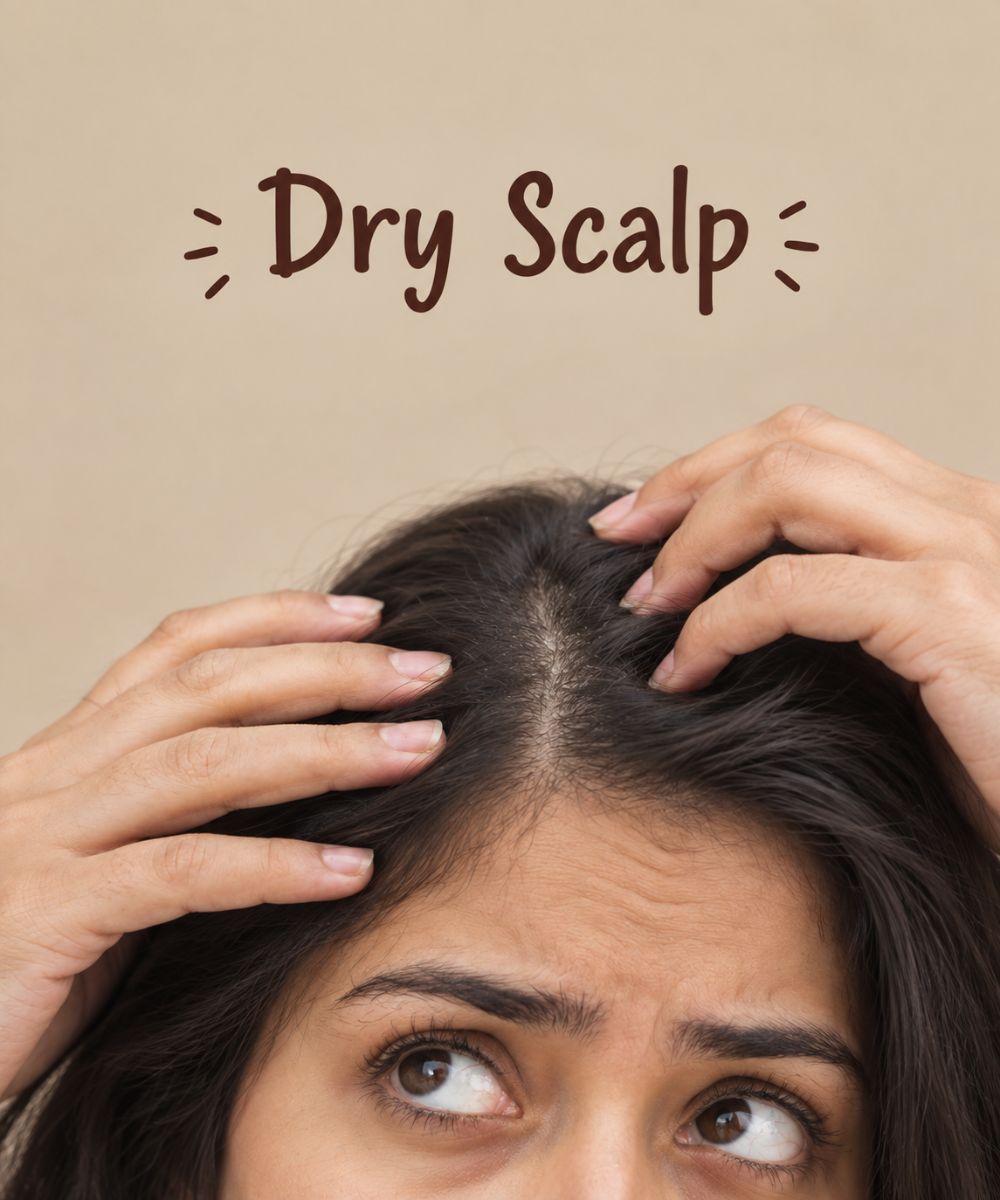
An itchy, flaky scalp can be more than just an annoying haircare problem. If your scalp feels tight, uncomfortable or unusually dry, you may be dealing with a dry scalp. But here's where it gets confusing: dry scalp and dandruff can look surprisingly similar, even though they aren't the same thing.
So, what causes a dry scalp? Is your shampoo making it worse? Can hair oil actually help? And how do you get rid of dry scalp without making your hair greasy or weighed down?
This guide breaks down the most common dry scalp causes, practical dry scalp remedies, and simple ways to improve scalp care. You'll also learn how to treat dry scalp effectively, how to tell dry scalp from dandruff, and how products such as Vilvah Goat Milk Shampoo, Hair Regrowth Oil and Hair Growth Serum can fit into a scalp-focused routine.
What is a Dry Scalp?
A dry scalp occurs when the skin on your scalp loses too much moisture. This can leave the scalp feeling tight, itchy or uncomfortable and may cause small flakes of dry skin.
Think of your scalp as an extension of the skin on the rest of your body. Just like the skin on your face or hands can become dry, the scalp can also lose moisture when exposed to environmental stressors, irritating products or certain skin conditions.
Common Signs of a Dry Scalp
You may notice:
- Small, dry flakes
- Itching or tightness
- A feeling of dryness after shampooing
- Rough or uncomfortable scalp skin
- Dry-looking hair alongside a dry scalp
However, persistent flaking doesn't automatically mean your scalp is simply dry. Dandruff, eczema, psoriasis and other scalp conditions can cause similar symptoms.
Dry Scalp vs Dandruff: What's the Difference?
This is one of the most important distinctions to make.
Dry scalp is primarily linked to a lack of moisture, while dandruff is commonly associated with excess oil and seborrheic dermatitis. Both can cause scalp itching and flakes, which is why they are easily confused.
| Dry Scalp | Dandruff |
| Usually linked to moisture loss | Often associated with excess oil |
| Flakes tend to be dry | Flakes may appear larger or more noticeable |
| Scalp may feel tight | Scalp may feel oily or irritated |
| Gentle, moisturising care may help | Often needs an anti-dandruff shampoo |
| Can be triggered by harsh products or weather | Can be associated with seborrheic dermatitis |
If your scalp is persistently itchy, red, inflamed or heavily flaky, don't assume it's simply dryness. A dermatologist can help identify the actual cause.
What Causes Dry Scalp? 7 Common Dry Scalp Causes
There isn't always one single reason for a dry scalp. Often, it's a combination of your environment, haircare habits and scalp sensitivity.
1. Harsh or Drying Hair Products
Some shampoos and styling products can strip natural oils from the scalp or irritate the skin. Even leftover shampoo that hasn't been rinsed properly can cause irritation.
If your scalp consistently feels tight or itchy after washing, your shampoo could be worth reconsidering.
2. Cold or Low-Humidity Weather
Cold climates and low-humidity environments can pull moisture from the skin, including the scalp.
Seasonal changes can therefore make dryness more noticeable even if your usual routine hasn't changed.
3. Overwashing
Washing your hair too frequently with a cleanser that isn't suitable for your scalp can remove too much of its natural oil.
The goal isn't to stop washing altogether. It's to find a cleansing frequency and formula that suits your scalp and hair type. Try a sulfate-free cleanser to keep the strands healthy while also balancing the scalp.
4. Hot Water
Long, hot showers may feel relaxing, but very hot water can contribute to skin dryness.
Try washing your hair with lukewarm rather than very hot water, particularly if your scalp already feels dry or irritated.
5. Excessive Heat Styling
Frequent exposure to hair dryers, straighteners and other heat-styling tools can contribute to dryness and damage, particularly along the hair lengths.
Keeping heat moderate and avoiding unnecessary heat exposure can help maintain healthier-looking hair.
6. Skin Conditions
Dry, flaky or itchy scalp symptoms can sometimes be linked to conditions such as eczema, psoriasis, seborrheic dermatitis or fungal infections. These conditions require different approaches to simple scalp dryness.
7. Age and Changes in Skin Moisture
As skin ages, it can become drier. This can affect the scalp too. A good hair and scalp care routine that combines a good scalp serum, regular oiling sessions, and gentle cleansing can help retain moisture and care for your strands.
How to Treat Dry Scalp Effectively
The best way to treat dry scalp is to identify what is causing the dryness first. A specific hair care routine curated especially for your hair type is an excellent way forward.
For mild dryness, the goal is usually simple: cleanse gently, avoid unnecessary irritation and support scalp moisture.
Step 1: Switch to a Gentle Shampoo
If your current shampoo leaves your scalp feeling stripped or tight, consider switching to a gentle, moisturising formula.
The American Academy of Dermatology recommends choosing haircare products appropriate for your hair and scalp type and applying shampoo primarily to the scalp rather than aggressively cleansing the lengths.
Step 2: Avoid Very Hot Water
Use lukewarm water when washing your scalp and hair.
Step 3: Don't Scratch the Scalp
Scratching can further irritate already-sensitive skin and potentially worsen inflammation.
If itching is persistent, focus on identifying its cause rather than simply trying to scratch the sensation away.
Step 4: Don't Overwash
Your ideal washing frequency depends on your hair type, scalp oiliness and lifestyle.
Very dry or textured hair may need less frequent washing, while oily scalps may require more frequent cleansing.
Step 5: Give Your Scalp the Right Kind of Care
A nourishing hair oil can be useful as part of a pre-wash routine when dryness and hair conditioning are concerns.
This is where an oil such as Vilvah Hair Regrowth Oil can fit into a routine.
Dry Scalp Remedies: What Can Actually Help?
When looking for dry scalp remedies, it's tempting to reach for every DIY solution you can find online. But more isn't necessarily better. Instead, focus on simple, consistent scalp care.
Try a Gentle Cleansing Routine
Choose a shampoo that cleanses without leaving your scalp feeling excessively dry or tight. Vilvah’s Goat Milk Shampoo with natural surfactants is an excellent choice here.
Nourish Before You Wash
If your scalp and hair respond well to oiling, a pre-wash oil treatment can provide a nourishing step before cleansing.
Vilvah Hair Regrowth Oil combines botanical oils including coconut, sunflower, sweet almond and grapeseed oils, alongside ingredients such as pumpkin seed, kalonji, castor, curry leaf and fenugreek. The brand positions it as a nourishing oil that supports scalp health and stronger-feeling hair.
Vilvah recommends massaging the oil into the scalp and hair, leaving it for around an hour or overnight, and using it around twice a week as part of its recommended routine.
Keep Your Scalp Clean
Dry scalp doesn't mean you should avoid shampoo altogether. Regular cleansing helps remove oil, dead skin and product buildup. The right frequency simply depends on your scalp and hair type.
Stay Hydrated
Adequate hydration supports overall skin health, although simply drinking more water isn't a standalone treatment for every cause of dry scalp.
Can Shampoo Cause Dry Scalp?
Yes, certain shampoos or haircare products can contribute to scalp dryness or irritation.
Products that strip too much natural oil or contain ingredients your scalp doesn't tolerate can leave it feeling dry, itchy or irritated. But this doesn't mean you should stop shampooing.
Instead, look for a hair cleanser that suits your scalp and hair type, rinse thoroughly and pay attention to how your scalp feels after washing.
How Vilvah Goat Milk Shampoo Fits Into a Dry Scalp Routine
If dryness is accompanied by dry, rough or damaged hair, the shampoo you choose becomes especially important.
Vilvah Goat Milk Shampoo is formulated with goat milk, ceramides and pea protein. The brand positions it around moisture, strengthening and reducing dryness and frizz, while maintaining a scalp-friendly pH.
That makes it particularly relevant when your dry scalp routine also needs to take care of dry, damaged lengths.
However, it's important to distinguish dry scalp from dandruff. If your primary issue is persistent dandruff rather than simple dryness, you may need a shampoo containing a proven anti-dandruff active instead.
Can Hair Oil Help a Dry Scalp?
Hair oil can be useful for nourishing and conditioning a dry-feeling scalp and hair, but it isn't a universal treatment for every scalp condition. For example, Vilvah Hair Regrowth Oil is designed as a pre-wash oiling step and contains a blend of botanical oils intended to nourish the scalp and hair.
The important distinction is this:
Dryness → focus on gentle cleansing and nourishment.
Persistent dandruff → consider appropriate anti-dandruff care.
Inflammation, rash or ongoing symptoms → seek professional advice.
If your scalp condition is actually seborrheic dermatitis or another skin disorder, adding more oil may not address the underlying problem.
What About Hair Growth Serum on a Dry Scalp?
Dry scalp can cause many hair issues. Persistent dandruff, itching, and flaking that arise with dry scalp can cause hairfall and hair thinning. A targeted serum is an excellent aid as it is designed around scalp and hair-growth concerns, while also boosting scalp health.
Vilvah Hair Growth Serum is a lightweight, water-based leave-in formula featuring 3% Redensyl, 3% Alfalfa Callus Culture, 3% Swiss Alpine Edelweiss and Rosemary. The formula also contains nourishing and hydrating ingredients such as hyaluronic acid, panthenol, and cetrimonium chloride that helps hydrate and balance a dry, itchy scalp.
The serum is recommended for regular overnight use, applied directly to the scalp and massaged in gently.
Can You Use Hair Oil and Hair Growth Serum Together?
Yes, but timing matters. A simple routine could look like:
Oil → Wash → Dry/Clean Scalp → Serum
Use your hair oil as a pre-wash treatment, cleanse your scalp, and then apply your leave-in serum according to its directions. This avoids simply layering a lightweight scalp serum over a heavy coating of oil.
If you have an active scalp condition or persistent dandruff, Vilvah itself recommends consulting a dermatologist before using its Hair Growth Serum.
A Simple Dry Scalp Haircare Routine
You don't need a complicated routine to start taking better care of a dry scalp.
Before Wash: Nourish
If your scalp tolerates oiling well, use a suitable hair oil as a pre-wash treatment. Vilvah Hair Regrowth Oil can be massaged gently into the scalp and left for the recommended duration before washing.
Wash: Cleanse Gently
Use a suitable shampoo and focus cleansing on the scalp rather than aggressively scrubbing the hair lengths. Vilvah Goat Milk Shampoo is positioned for dry, frizzy and damaged hair, with goat milk, ceramides and pea protein in its formula.
After Wash: Condition
Condition your hair according to your hair type, particularly the lengths and ends if they're dry or prone to tangling.
Night: Targeted Scalp Care
Dry scalp can cause slower hair growth and thinning of hair. A targeted product such as Vilvah Hair Growth Serum can be incorporated into your nighttime scalp routine to help hydrate, balance, and improve overall scalp and hair health.
What Not to Do When You Have a Dry Scalp
Sometimes, getting rid of dry scalp is less about adding products and more about avoiding things that make it worse.
Don't Keep Scratching
Scratching can further irritate the scalp. It can also cause hairfall and thinning.
Don't Use Harsh DIY Remedies
Lemon juice, baking soda and undiluted essential oils aren't automatically safe just because they're natural. Irritating the scalp can make an existing problem worse.
Don't Over-Oil
More oil doesn't necessarily mean more moisture. If your flakes are actually caused by dandruff or seborrheic dermatitis, excessive oiling may not solve the underlying issue.
Don't Ignore Persistent Symptoms
If your scalp remains itchy, inflamed, painful or flaky despite changing your routine, it's worth getting a professional diagnosis.
When Should You See a Dermatologist?
Not every flaky scalp needs medical attention, but persistent or severe symptoms shouldn't be ignored.
Consider seeing a dermatologist if you experience:
- Persistent or intense itching
- Redness or inflammation
- Pain, swelling or warmth
- Thick or recurring scales
- Scabbing or sores
- Sudden or noticeable hair loss
- Flaking that doesn't improve with gentle scalp care
These symptoms can sometimes point to conditions such as seborrheic dermatitis, psoriasis, eczema or fungal infections, which require specific treatment.
Final Thoughts: Treat Your Scalp, Not Just the Symptoms
A dry scalp can be frustrating, but the solution isn't always about adding more products. Start by understanding the cause, then build a routine around gentle cleansing, appropriate nourishment and consistent scalp care.
For a simple routine, you can think of it as: Nourish → Cleanse → Condition → Target
A pre-wash oil such as Vilvah Hair Regrowth Oil can provide a nourishing step, Vilvah Goat Milk Shampoo can help cleanse while addressing dry, damaged hair, and Vilvah Hair Growth Serum can be added as a targeted overnight scalp step when hair thinning or hair fall is also a concern.
Most importantly, don't assume every flake is simply dry skin. When your scalp keeps itching, flaking, becoming inflamed or losing hair, finding the underlying cause is the most effective first step. A healthier hair routine starts with a healthier scalp.
Frequently Asked Questions About Dry Scalp
1. What causes dry scalp?
Common dry scalp causes include moisture loss, harsh or irritating hair products, overwashing, cold or low-humidity weather and certain skin conditions.
2. How do you get rid of dry scalp?
To get rid of dry scalp, start by identifying the cause. Switching to a gentle shampoo, avoiding very hot water, reducing unnecessary irritation and using suitable nourishing haircare can help with mild dryness. Persistent symptoms may require a dermatologist's evaluation.
3. What are the best dry scalp remedies?
Useful dry scalp remedies include gentle cleansing, avoiding harsh products, washing according to your hair type, using suitable conditioning or nourishing products and avoiding scratching. The right remedy depends on what's causing the dryness.
4. Can dry scalp cause hair fall?
Dryness itself isn't the same as a hair-loss disorder. However, persistent scalp irritation, scratching or an underlying scalp condition can affect scalp and hair health. If you're experiencing noticeable or ongoing hair loss, it's important to identify the underlying cause rather than assuming dry scalp is responsible.
5. Is dry scalp the same as dandruff?
No. Dry scalp is primarily associated with moisture loss, while dandruff is often associated with excess oil and seborrheic dermatitis. They can look similar, so persistent flaking may need professional assessment.
6. Is hair oil good for a dry scalp?
A suitable hair oil can help nourish and condition a dry-feeling scalp and hair, particularly as a pre-wash treatment. However, oil isn't a universal treatment for scalp conditions such as seborrheic dermatitis or fungal infections.
7. Can I use a hair growth serum on a dry scalp?
A hair growth serum can be part of a scalp-care routine, but it isn't necessarily a treatment for dryness. Vilvah Hair Growth Serum is a lightweight, water-based formula designed for targeted scalp and hair-growth care. If you have persistent dandruff or an active scalp condition, Vilvah recommends consulting a dermatologist first.
Related Stories
-

Skin Tone vs Skin Undertone: Why the Difference Changes What You Buy
-

How to Find Your Skin Undertone at Home: Warm, Cool or Neutral
-

Vilvah: Brand, Ingredients and Product FAQs
-

Hair Serum v/s Hair Oil: Key Differences Explained With Benefits
-

Alfalfa for Hair Growth: Benefits, Uses & What You Need to Know
-

Face Wash vs Cleanser: What's Actually Different, and Which One Does Your Skin Need
-

Hair Serum Benefits: The Missing Step in Your Hair Care Routine
-

Premature Grey Hair: Why It Happens Young and How to Slow It Down
-

Rosemary for Hair Growth: What the Research Actually Shows


Leave a comment
All comments are moderated before being published.
This site is protected by hCaptcha and the hCaptcha Privacy Policy and Terms of Service apply.