

 Track Order

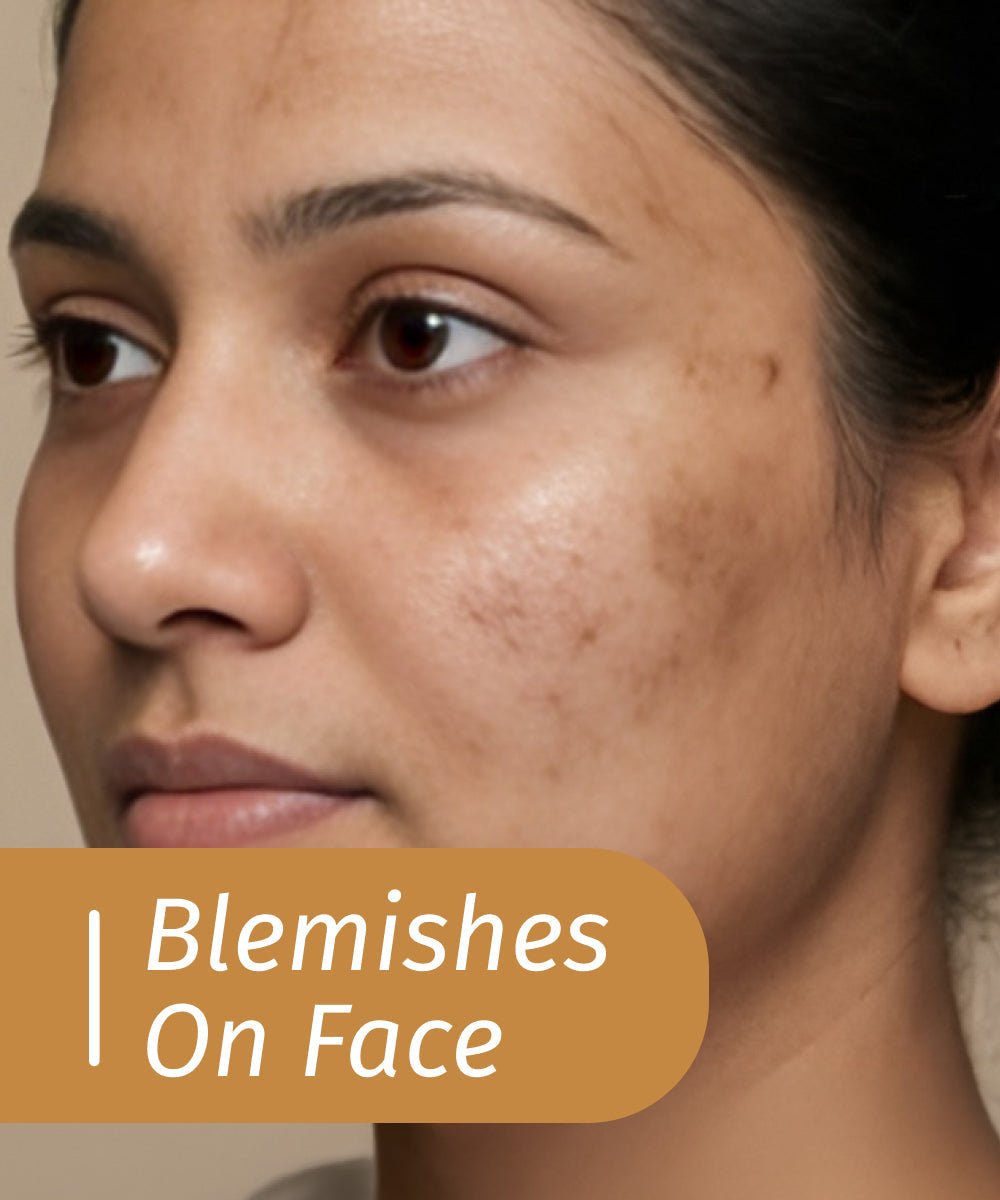
Noticing pesky dark spots, acne marks, redness, pigmentation, or uneven patches on your skin? Then you are likely dealing with a blemish. While blemishes are extremely common, they can impact confidence and make it hard to achieve clear, healthy-looking skin.
In fact, acne and post-inflammatory pigmentation remain among the most common skin concerns globally, affecting millions of people across age groups. Recent dermatology research indicates that acne affects approximately 9.4% of the global population, while adult acne and post-acne marks continue to rise, particularly among women.
The good news? Most blemishes on face can be prevented, treated, and reduced with the right skincare ingredients and consistent habits.
In this comprehensive guide, you'll learn:
- What are blemishes on face
- The most common reason of blemishes on face
- Different types of blemishes
- How to remove blemishes from face effectively
- The best skincare routine for blemished skin
- Expert-recommended products and ingredients
What Are Blemishes?
Blemishes on face refer to any visible skin imperfection that affects the skin's appearance. These can include:
- Acne and pimples
- Dark spots
- Acne scars
- Hyperpigmentation
- Red marks after breakouts
- Whiteheads and blackheads
- Uneven skin tone

Most blemishes develop due to inflammation, excess oil production, clogged pores, sun damage, hormonal fluctuations, or skin irritation. But don’t worry, we are going to help you tackle these with ease!
Why Do Blemishes Matter In This Age And Day?
With increasing pollution levels, prolonged screen exposure, stress, and hormonal imbalances, more people are experiencing blemished skin than ever before.
Dermatologists also report a rise in adult acne and post-inflammatory hyperpigmentation, especially in individuals with medium to deeper skin tones. Early treatment can significantly reduce long-term pigmentation and scarring.
Also, clear skin is such a vibe - so why not learn about it and take steps towards it?
What Are Blemishes?
When certain nosy people ask, "hey is that a new blemish on your face?", they're probably referring to visible marks or discoloration that interrupt your otherwise even complexion.
A blemish may appear as:
Acne Lesions
- Whiteheads
- Blackheads
- Papules
- Pustules
Pigmentation Marks
- Post-acne spots
- Sun spots
- Melasma
- Hyperpigmentation
Textural Irregularities
- Acne scars
- Enlarged pores
- Rough skin patches

Not all blemishes are active acne. Many are actually the aftermath of healed breakouts. Now let’s learn why these ex’es bother us so much!
What Causes These Blemishes?
Sadly, there isn't a single cause. The reason for blemishes often involves multiple factors working together.
1. Acne and Clogged Pores
Acne remains the leading cause of facial blemishes. When excess sebum mixes with dead skin cells, pores become blocked, creating an environment where breakouts can develop. Dermatologists identify clogged pores and inflammation as major contributors to acne-related blemishes.
2. Hormonal Changes
Hormonal fluctuations can trigger increased oil production. Blame it on those uncertain hormone levels next time you see a blemish popping.
Common triggers include:
- Menstrual cycles
- PCOS
- Menopause
- Stress-related hormonal shifts
The American Academy of Dermatology notes that adult acne commonly persists into the 30s, 40s, and even 50s, particularly among women.
3. Sun Exposure
UV radiation stimulates melanin production, causing existing blemishes to become darker and more noticeable. Without daily sunscreen, even well-treated pigmentation can return.
Use a lightweight sunscreen that is non-comedogenic and is made with a healthy formulation including niacinamide, hyaluronic acid, or natural extracts that moisturize and reduce pigmentation.
4. Inflammation and Skin Picking
We know acne-girlies love nit-picking acne but picking pimples can damage surrounding skin tissue and significantly increase the risk of:
- Dark spots
- Acne scars
- Persistent redness
5. Lifestyle Factors
Several lifestyle habits contribute to blemished skin:
- Poor sleep quality
- Chronic stress
- High-glycemic diets
- Smoking
- Inconsistent skincare
Studies have also found associations between stress, family history, and acne severity. Night owls and overthinkers, here is a reason for you to kick back for the sake of your skin!
Types Of Blemishes
Understanding your blemish type helps determine the most effective treatment: Check out this simple table that you can refer to:
| Type | Appearance | Common Cause |
| Acne | Red bumps, pustules | Clogged pores |
| Post-Acne Marks | Brown or red spots | Healed breakouts |
| Hyperpigmentation | Dark patches | UV damage or inflammation |
| Acne Scars | Depressions or raised areas | Severe acne |
| Sun Spots | Flat brown spots | Sun exposure |
| Whiteheads & Blackheads | Congested pores | Excess oil |
How To Remove Blemishes Effectively
People are always asking and googling ‘how to remove blemishes from face’, but the answer depends on the type of blemish really. Here is a dermat-suggested routine that can help you clear blemishes and care for your skin in an effective way:
Step 1: Use a Gentle Face Wash for Blemishes
A targeted cleanser for blemishes helps remove excess oil, impurities, and sunscreen buildup without disrupting the skin barrier. And all that makeup needs to be gone by the end of the day too!
Look for ingredients such as:
- Hyaluronic Acid
- Herbal extracts
- Niacinamide
- Mild Surfactants
The Vivah Milk Powder Face Wash is one of the most recommended products on the internet for removing whiteheads, blackheads, blocked pores, and everything under the same, giving you clear, bright, and refreshed skin.

Step 2: Follow up with a Face Serum for Blemish Reduction
Choosing any of the best face serum for blemish is a non-negotiable for a clear skin routine. Make sure your serum targets pigmentation, inflammation, and skin repair simultaneously.
Recommended Ingredients:
Niacinamide
Helps reduce:
- Redness
- Excess oil
- Uneven skin tone
Alpha Arbutin
Targets:
- Dark spots
- Hyperpigmentation
- Post-acne marks
Vitamin C
Improves:
- Brightness
- Skin radiance
- Pigmentation
One of the best, most effective serum for acne is the Milk Drops brightening serum that contains alpha arbutin and rice extract to hydrate skin, balance skin tones, and reduce acne scars and pigmentation for clearer skin. What’s better is that it is vegan and hypoallergenic - making it perfect for teenage acne or sensitive skin acne, reducing them and fixing pigmentation and scars left behind by them.
Step 3: Use a Lightweight, Acne Safe Cream
Choose an acne treatment cream, a lightweight gel cream, an acne-safe face cream, or a non-comedogenic day cream that supports the skin repair while reducing discoloration.
The best cream for blemishes on face often includes:
- Ceramides
- Niacinamide
- Azelaic Acid
- Peptides
- Licorice Extract
These ingredients help restore barrier health while gradually improving skin clarity. A dual-function sunscreen can be an incredible way to avoid piling things on your face - choose a sunscreen that is moisturizing, balancing, and acne safe that also doubles up as your face moisturizer.
Step 4: Never Skip Sunscreen
A ‘Clean Girl’ routine does not stop with just a face cream. This is arguably the most important step to protect your skin and reduce the occurrence of acne and acne scarring as sunlight can trigger pigmentation and marks.
Without SPF protection:
- Existing blemishes darken
- Healing slows down
- Pigmentation becomes harder to treat
Dermatologists recommend broad-spectrum SPF 30 or higher daily. Vilvah’s Skin Finish Sunscreen has SPF 50+ with PA++++ rating that protects the skin from UVA and UVB rays while staying lightweight and non-greasy. It has a non-comedogenic formula that makes it perfect for acne-prone skin.
Step 5: Be Consistent
Most pigmentation and blemish treatments require:
- 6 - 8 weeks for visible improvement
- 3 - 6 months for significant reduction
We knew it before - We know it now! Nothing beats consistency. Consistency matters more than using multiple products at once.
Best Daily Skincare Routine for Blemished Skin
It is important to follow a distinct skincare routine for the morning and for the night. Your morning routine helps lighten marks, prevent scarring, and protect from sun damage. On the other hand, your evening routine should heal, hydrate, and restore your skin. Some miracles do happen overnight!

Morning Routine
1. Gentle Cleanser
Choose a face wash for blemishes. Try the Vilvah Milk Powder face wash or similar products for a gentle, yet thorough cleanse.
2. Brightening Serum
Use the best face serum for blemish such as the Milk Drop Brightening serum to reduce acne scars and pigmentation on the skin.
3. Moisturizer
Maintain hydration and barrier function. Use a lightweight, non-sticky, non-comedogenic moisturizer that does not cause acne.
4. Sunscreen SPF 50
Protect against pigmentation worsening with a lightweight sunscreen such as the Vilvah Skin Finish Sunscreen with rice milk and mulberry extract.
Night Routine
1. Cleanser
A good cleanser, possibly a foaming cleanser that removes oil and dirt effectively to unclog pores and reduce the appearance of blackheads, whiteheads, and blemishes.
2. Targeted Treatment Serum
Look for targeted treatment such as:
- Alpha Arbutin - For Pigmentation
- Niacinamide - For hydration and oil-balance
- Azelaic Acid - For overall brightness and marks reduction
3. Repair Cream
A deeply hydrating, balancing, and acne scar reducing night cream can work wonders for your skin overnight - giving you radiant skin every morning.
Ingredients Dermatologists Recommend For Blemishes
Even though there are a bunch of ingredients in the market, not all are suitable for oily skin. Here are some of the dermatologist approved and recommended ingredients that you need to include for your acne care routine.
- Niacinamide - Reduces oil production and improves skin tone.
- Salicylic Acid - Unclogs pores and minimizes breakouts.
- Azelaic Acid - Targets acne and post-inflammatory pigmentation simultaneously.
- Vitamin C - Brightens dull skin and protects against environmental damage.
- Alpha Arbutin - One of the most effective ingredients for dark spots.
- Ceramides - Support long-term skin barrier health.

Final Thoughts
Whether your concern is acne marks, pigmentation, or uneven skin tone, understanding what kind of blemishes you have and then choosing the right products to treat them is the first step toward healthier skin.
The most effective approach combines:
✔ A gentle face wash for blemishes
✔ The best face serum for blemish reduction
✔ The best cream for blemishes on face
✔ Daily sunscreen
✔ Consistent skincare habits
While there is no overnight cure, a science-backed routine can dramatically improve blemished skin over time. By identifying the underlying reason for recurring blemishes and treating them early, you can finally achieve that glass-skin-like glow that you have been dreaming about!
FAQs
1. Is a blemish a dark spot?
Not always. A blemish is any skin mark or imperfection, and while some may leave dark spots, not all blemishes are dark spots.
2. Do blemishes go away naturally?
Some blemishes fade over time, but pigmentation and acne scars often require targeted skincare and sun protection for faster improvement.
3. How long does it take to remove blemishes?
Most people begin noticing improvement within 6–12 weeks when using effective ingredients consistently.
4. Can sunscreen help reduce blemishes?
Indirectly, yes. Sunscreen prevents UV-induced darkening, allowing existing blemishes to fade more efficiently.
5. What causes recurring blemishes?
Recurring blemishes are often linked to:
- Hormonal fluctuations
- Inadequate cleansing
- Excess oil production
- Chronic inflammation
- Lack of SPF protection
Related Stories
-

Fitzpatrick Skin Types: Where Most Indian Skin Actually Sits
-

Skin Tone vs Skin Undertone: Why the Difference Changes What You Buy
-

How to Find Your Skin Undertone at Home: Warm, Cool or Neutral
-

Dry Scalp: Causes, Remedies & How to Treat It Effectively
-

Vilvah: Brand, Ingredients and Product FAQs
-

Hair Serum v/s Hair Oil: Key Differences Explained With Benefits
-

Alfalfa for Hair Growth: Benefits, Uses & What You Need to Know
-

Face Wash vs Cleanser: What's Actually Different, and Which One Does Your Skin Need
-

Hair Serum Benefits: The Missing Step in Your Hair Care Routine
-

Premature Grey Hair: Why It Happens Young and How to Slow It Down


Leave a comment
All comments are moderated before being published.
This site is protected by hCaptcha and the hCaptcha Privacy Policy and Terms of Service apply.