

 Track Order


I am a smell-sensitive person, but the body lotion feels so moisturizing and smells really good

Save Big on Combos
Easy Routines For Monsoon Care
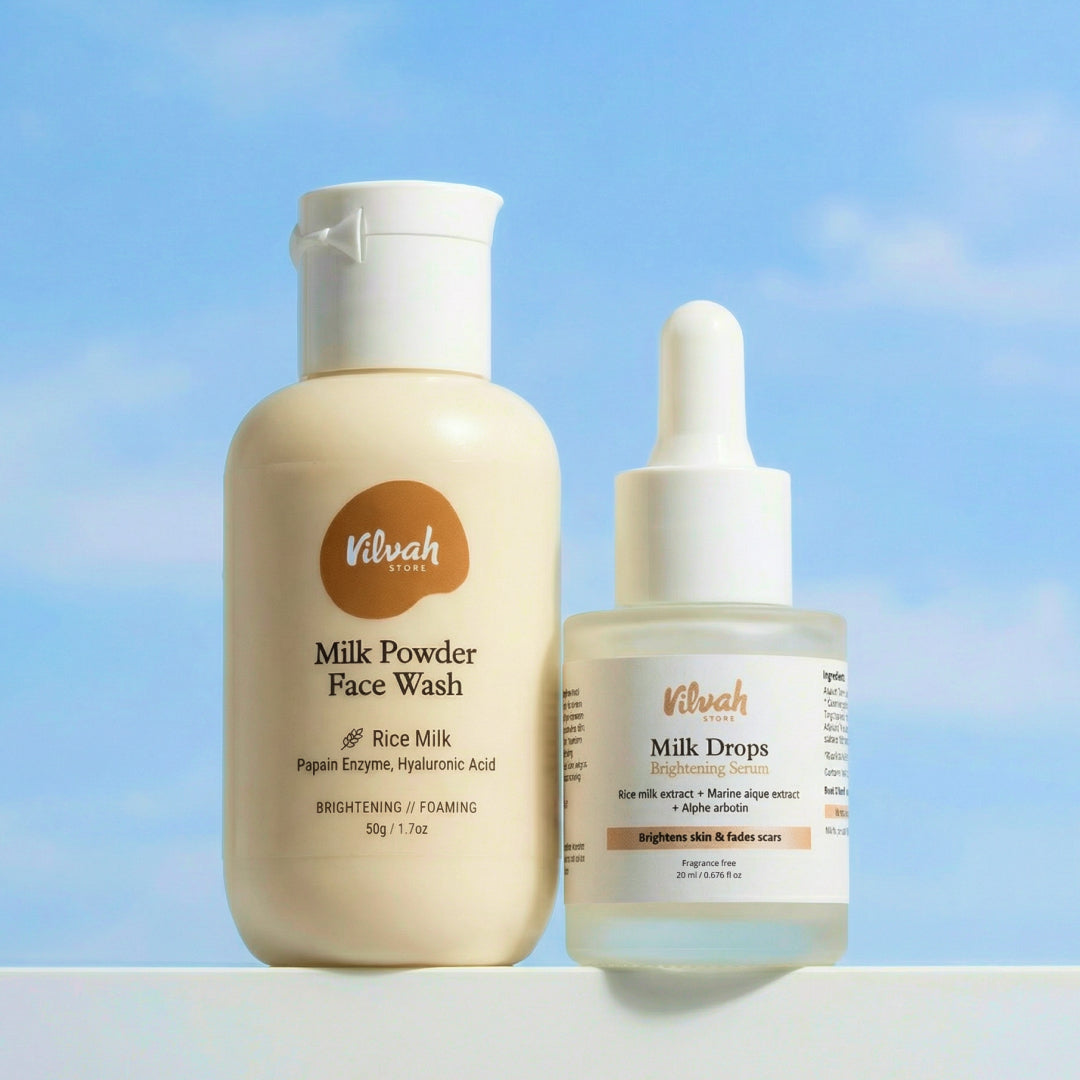

Brightens Skin In 4 Weeks
Sale price₹999
Regular price₹1,139
12% OFF
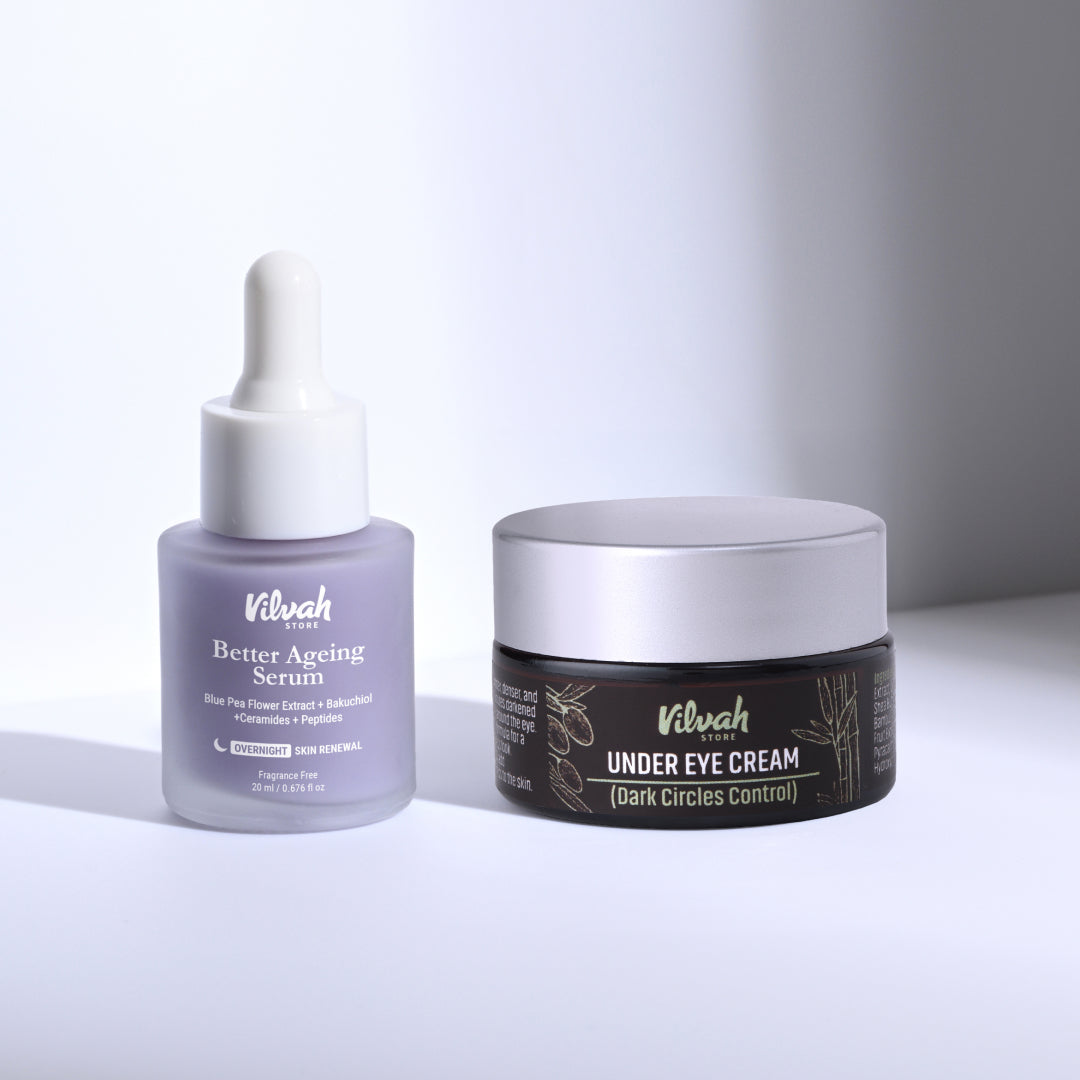
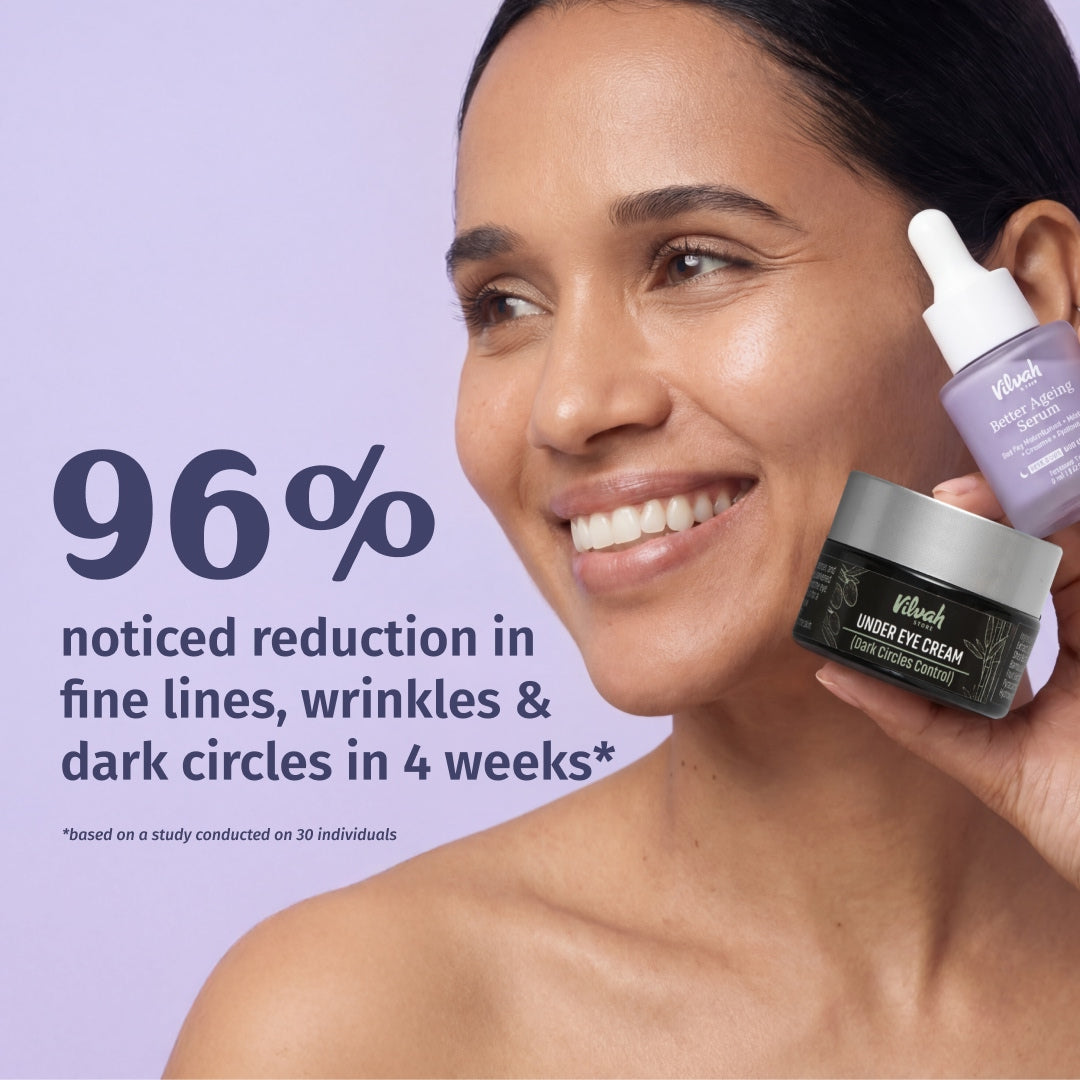
Tackles Fine Lines & Wrinkles
Sale price₹1,249
Regular price₹1,340
Limited Time Deal
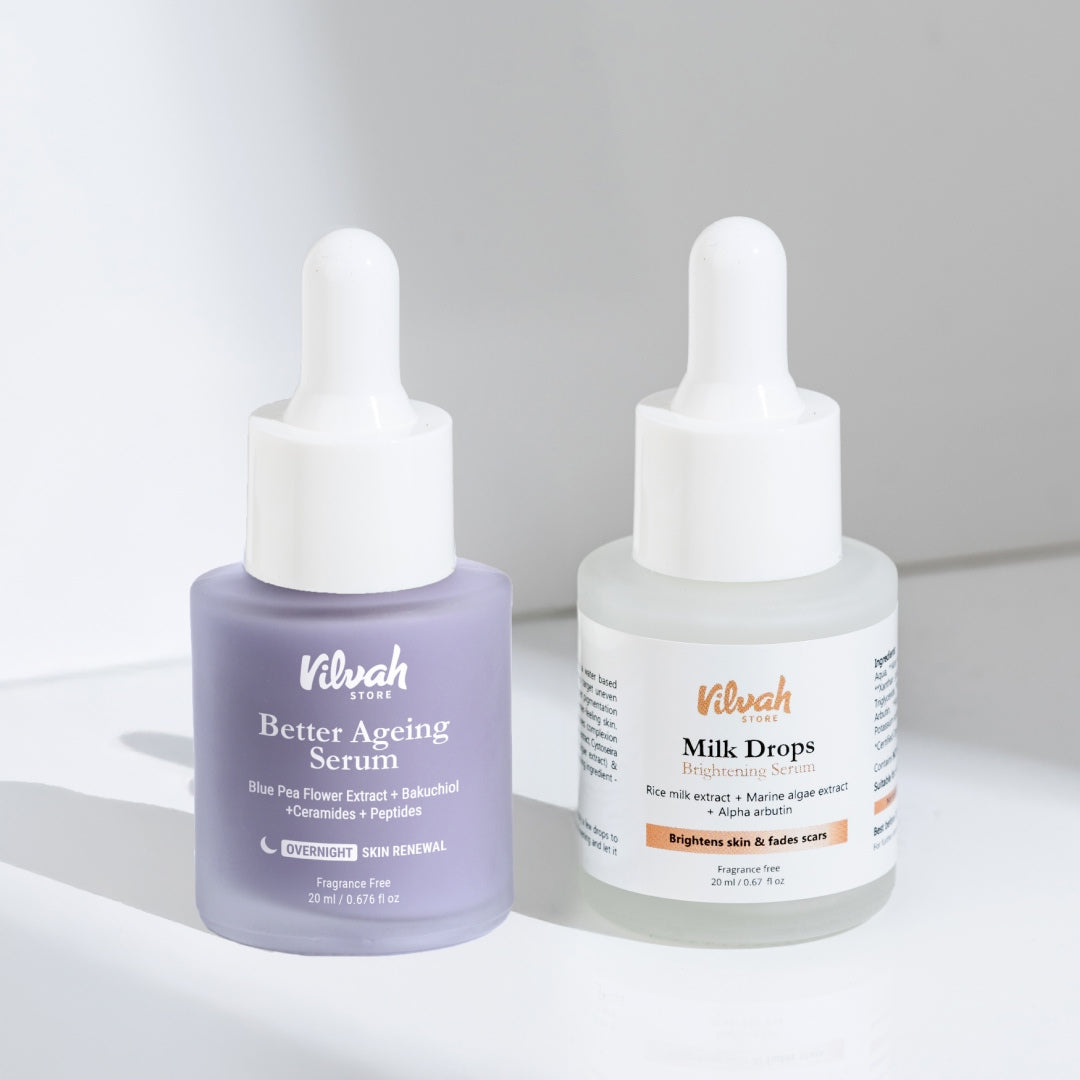
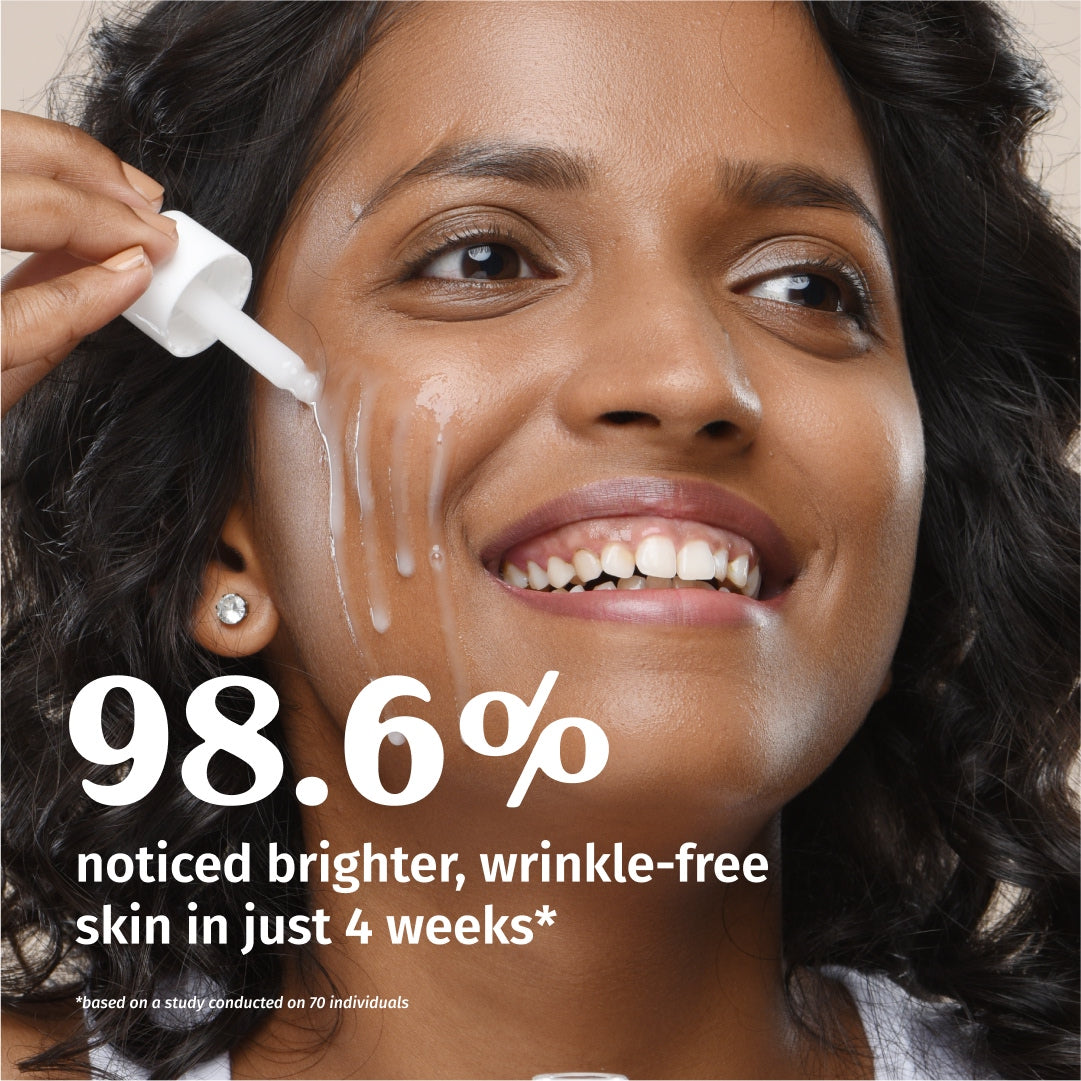
Brighter, Wrinkle-Free Skin In 4 Weeks
Sale price₹1,249
Regular price₹1,390
10% OFF


Calms acne and reduces acne scars
Sale price₹950
Regular price₹1,030
8% OFF
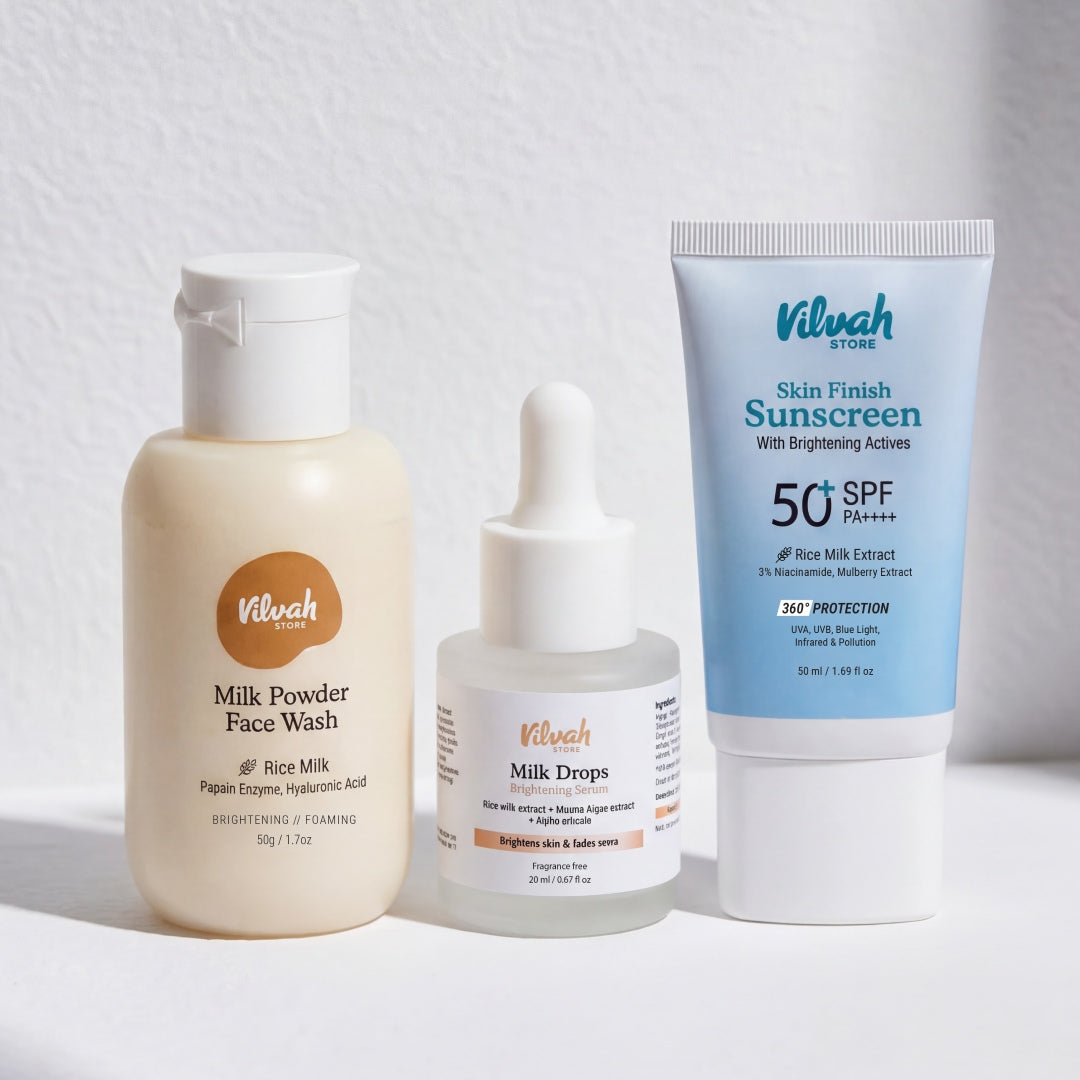
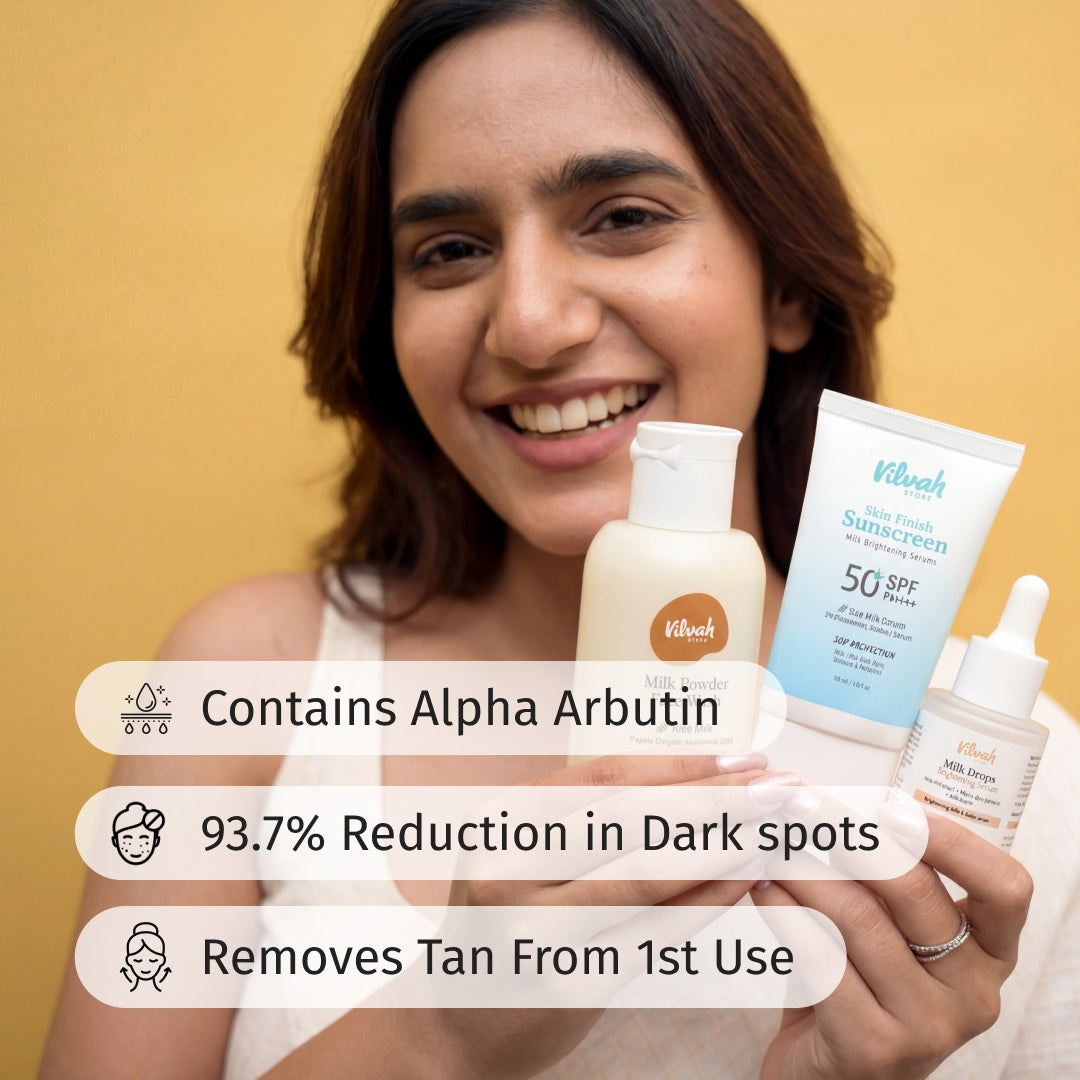
Cleanse. Brighten. Protect. Repeat.
Sale price₹1,565
Regular price₹1,738
10% OFF


Strengthens & Nourishes Hair
Sale price₹1,099
Regular price₹1,280
14% OFF
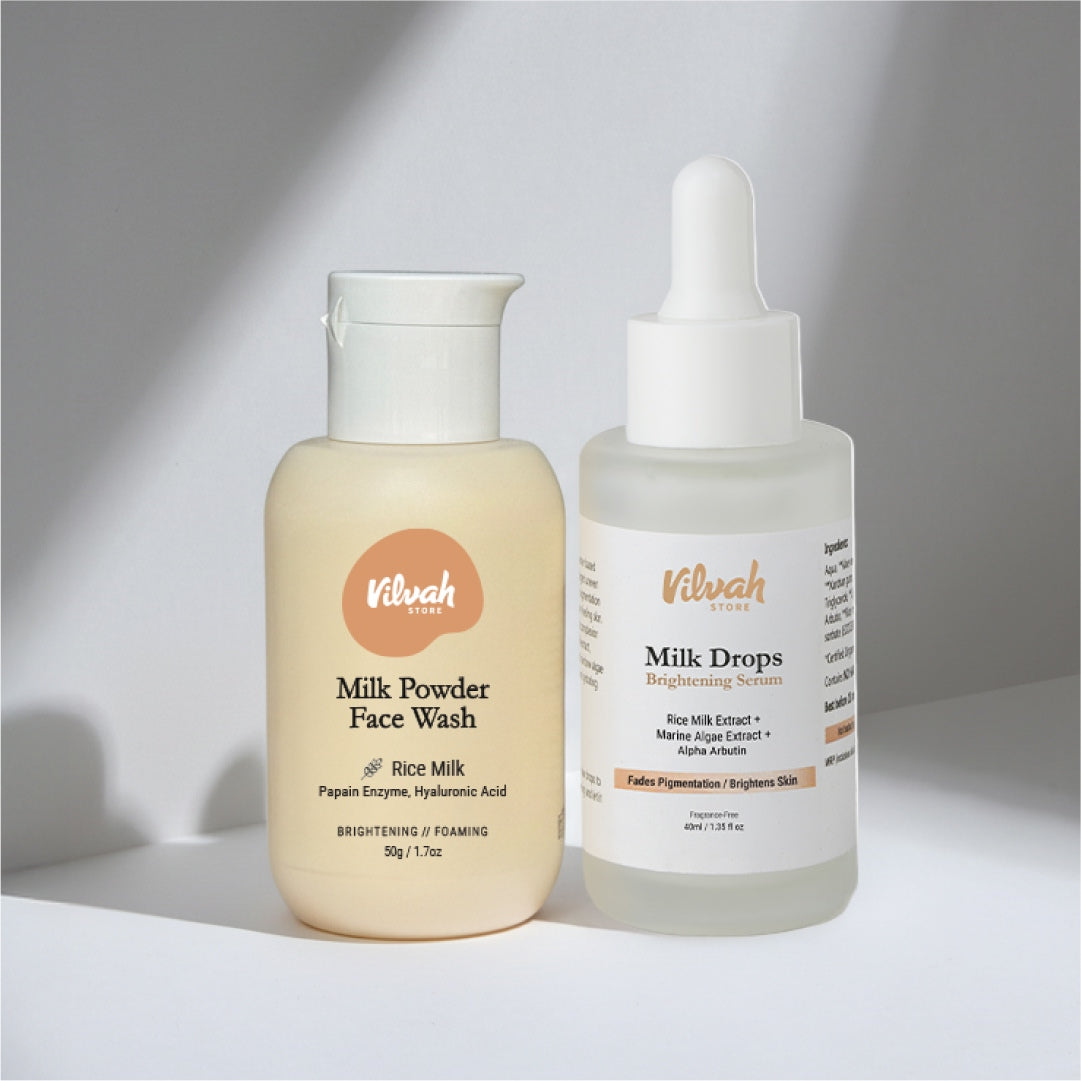
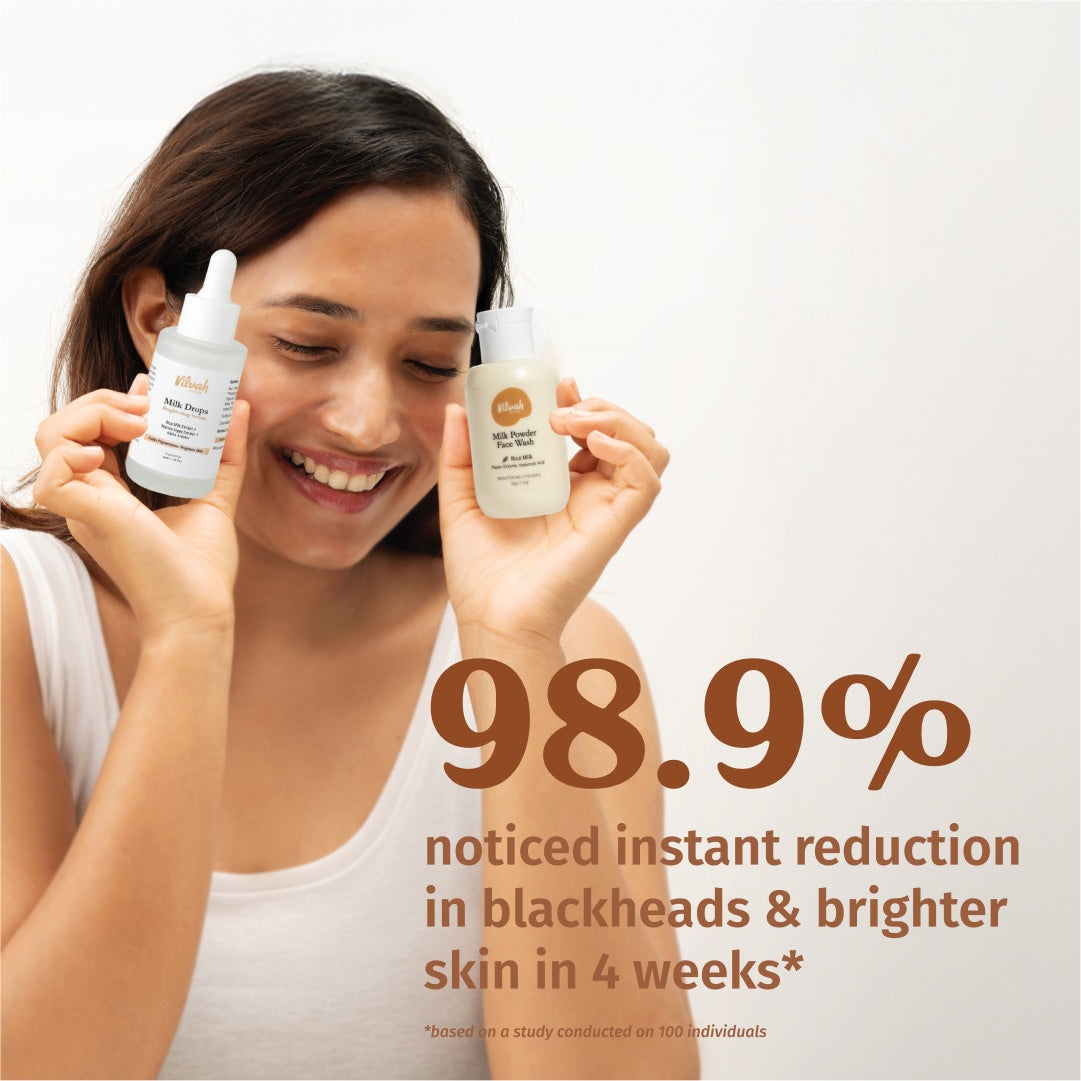
Brightens Skin In 4 Weeks
Sale price₹1,599
Regular price₹1,779
10% OFF
Limited Time Deal
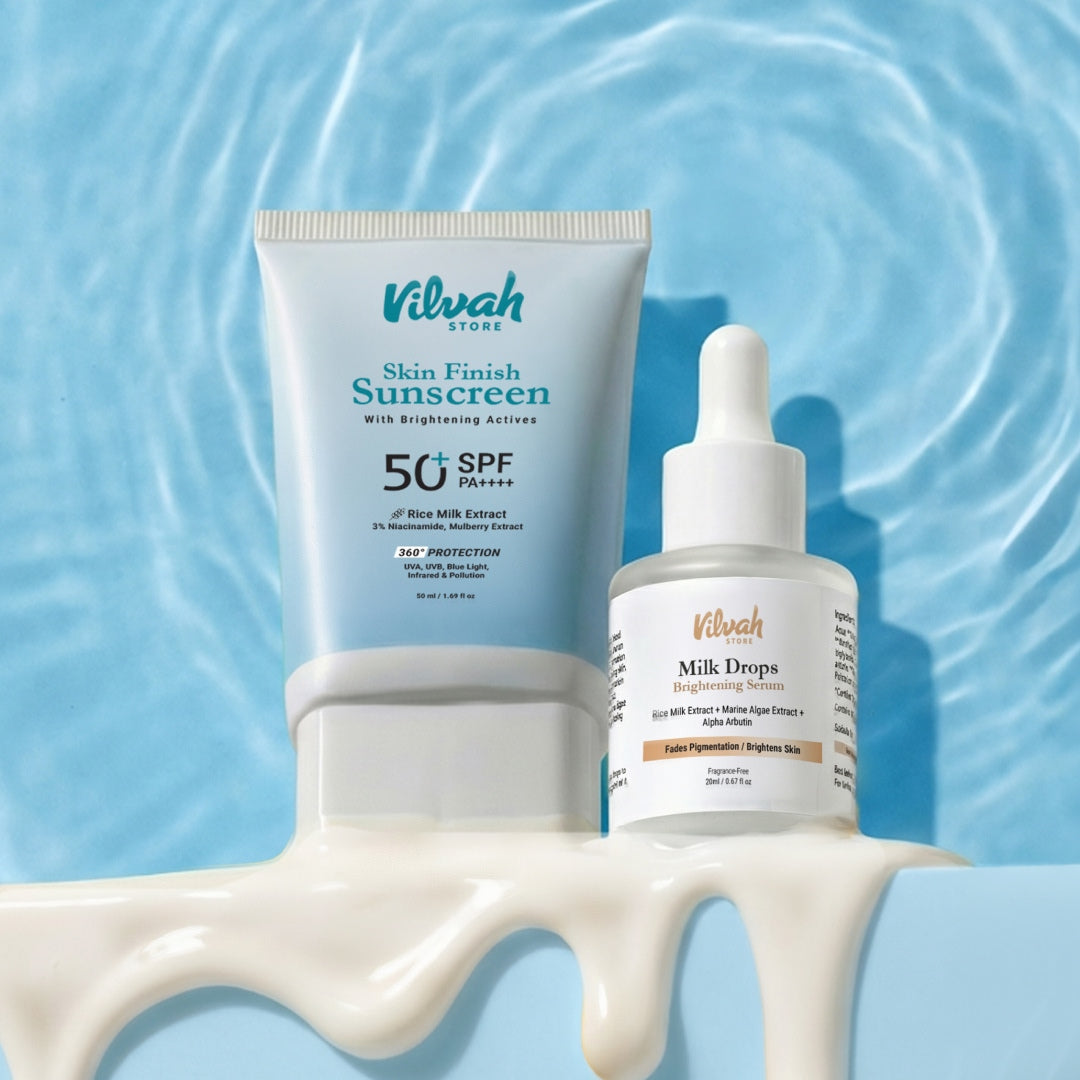
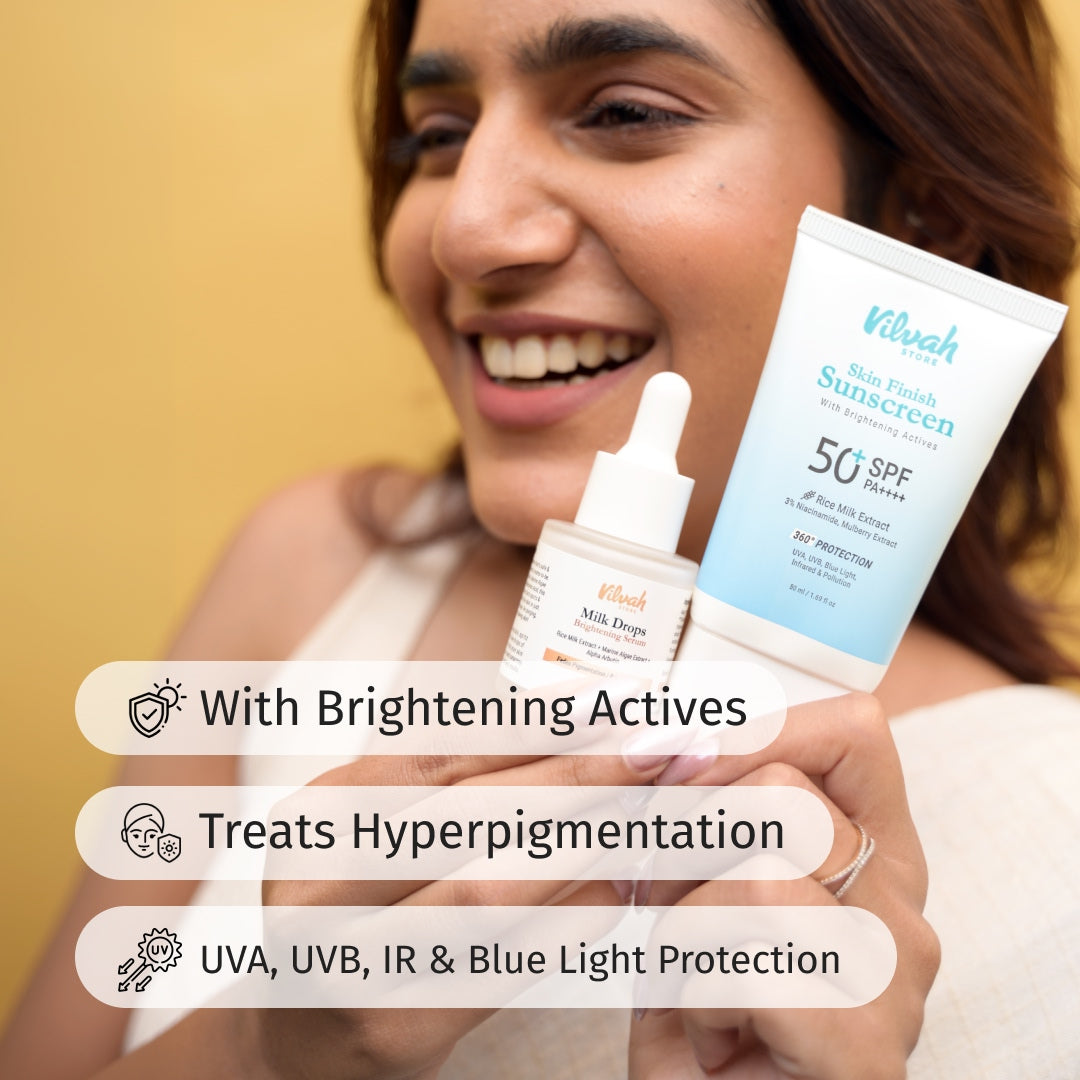
Daily 2-step routine for brighter skin
Sale price₹1,139
Regular price₹1,239
8% OFF
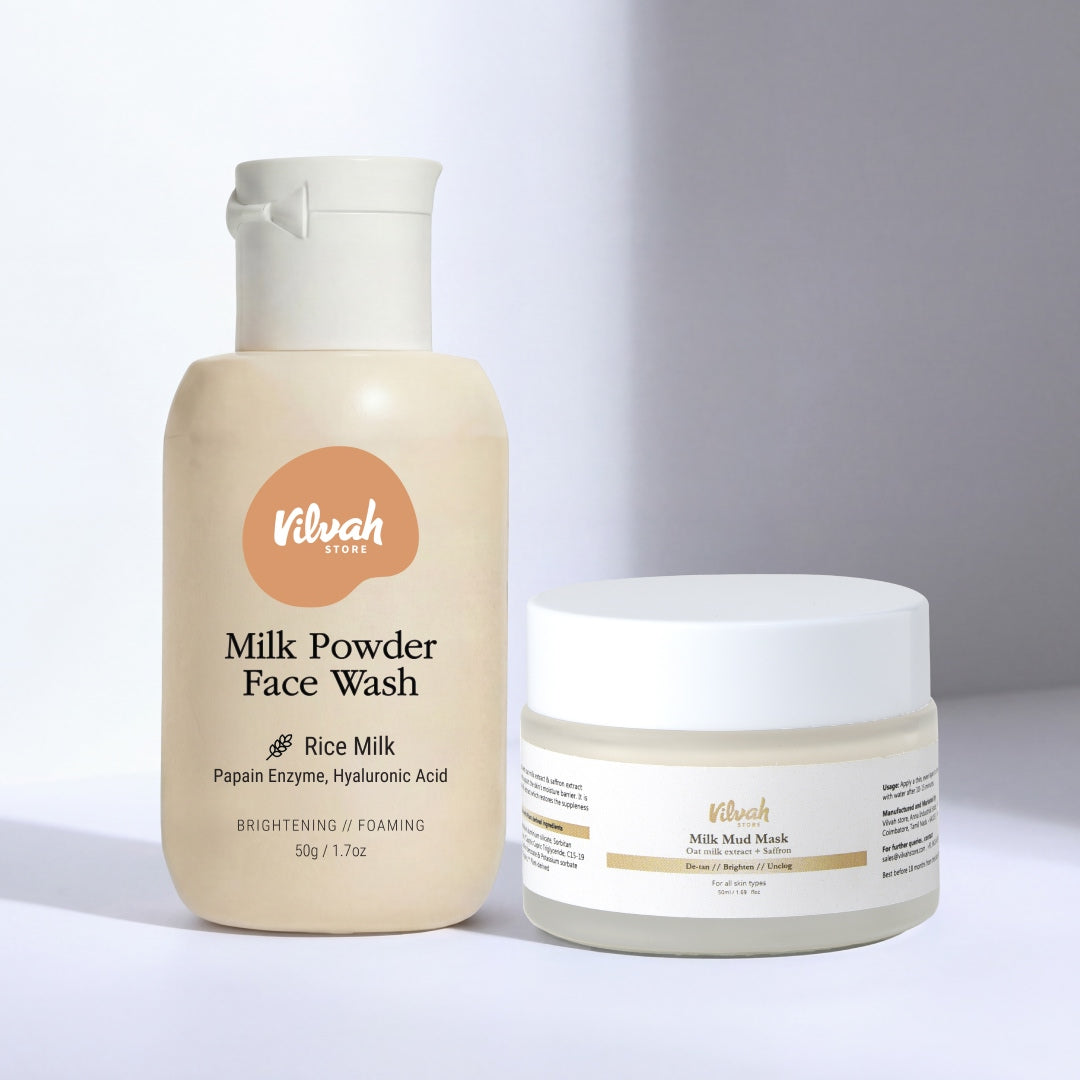
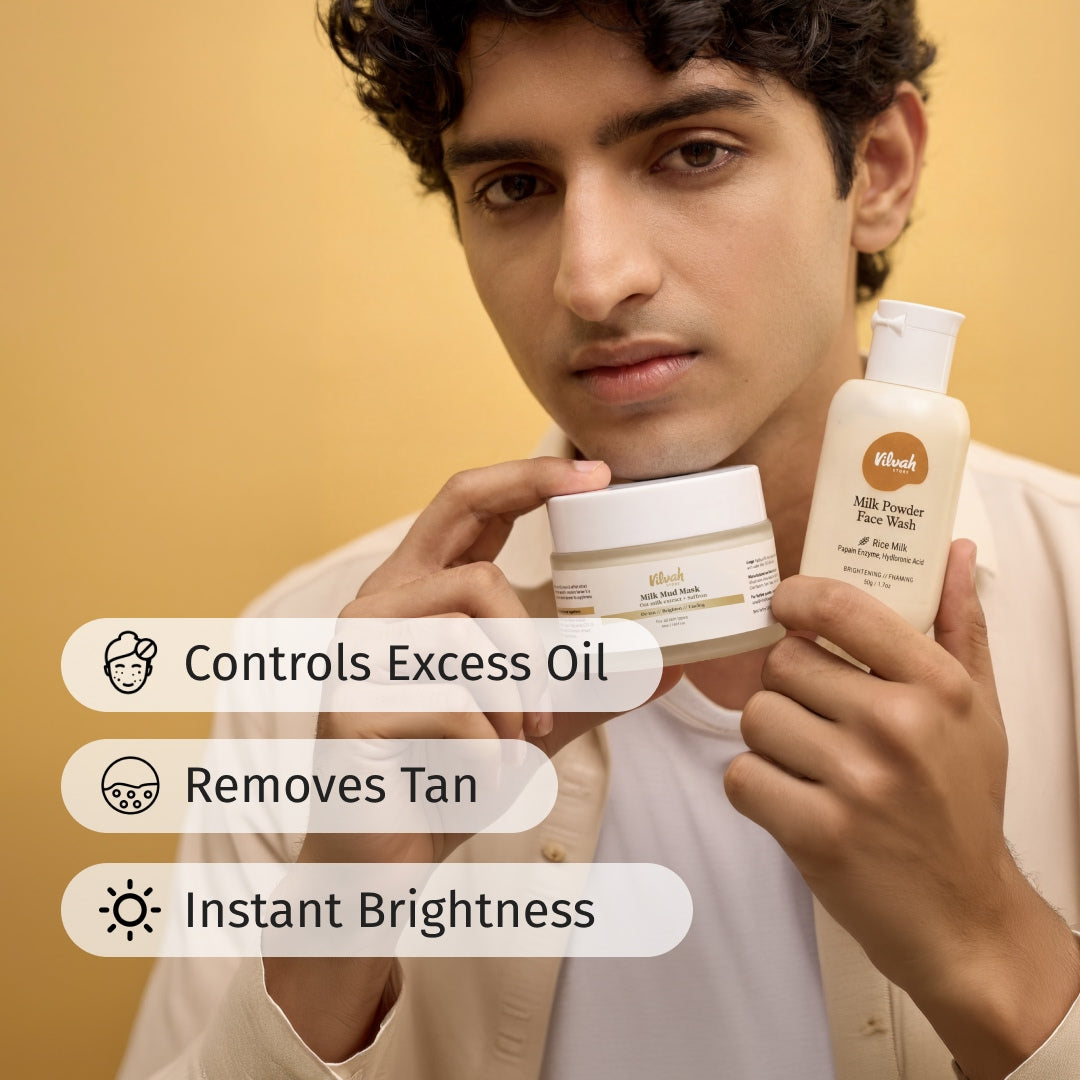
Deep Clean Daily. Detox Weekly
Sale price₹899
Regular price₹998
10% OFF
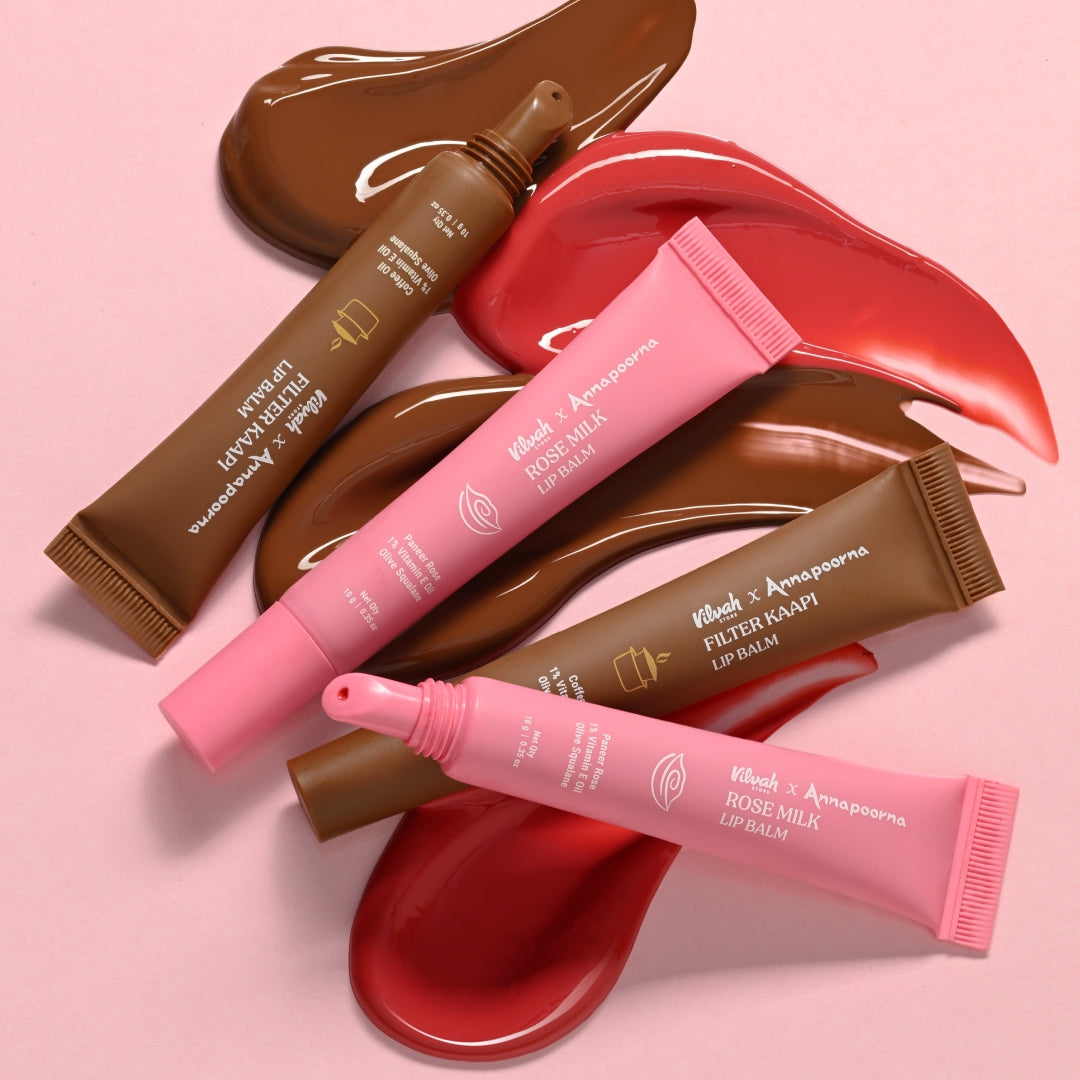
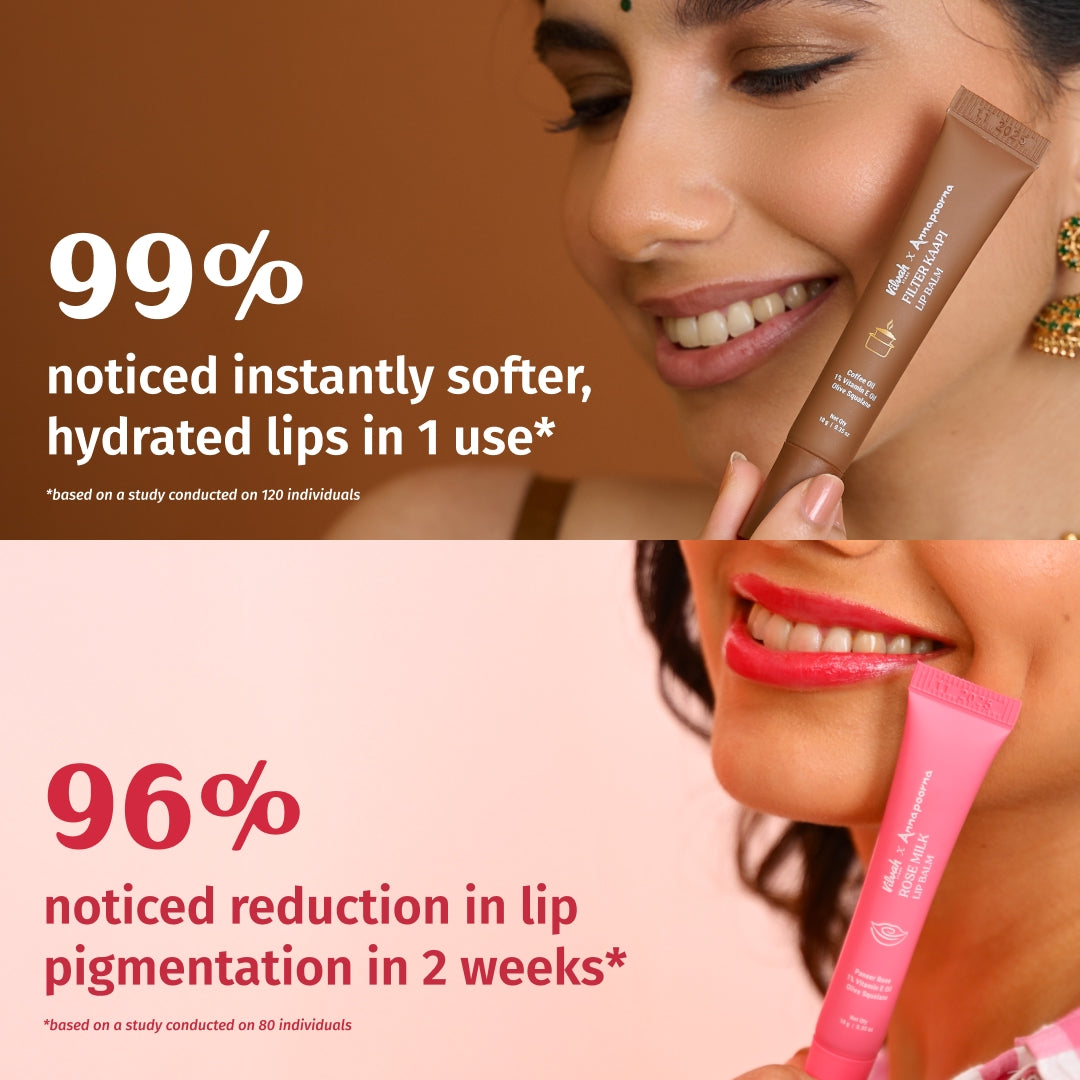
Nourishes, Softens & Adds Tint
Sale price₹699
Regular price₹790
12% OFF
LIMITED EDITION


Nourishes, Softens & Adds Tint
Sale price₹699
Regular price₹790
12% OFF


Daily 2-step routine for healthy skin
Sale price₹1,689
Regular price₹1,879
10% OFF
Best Seller
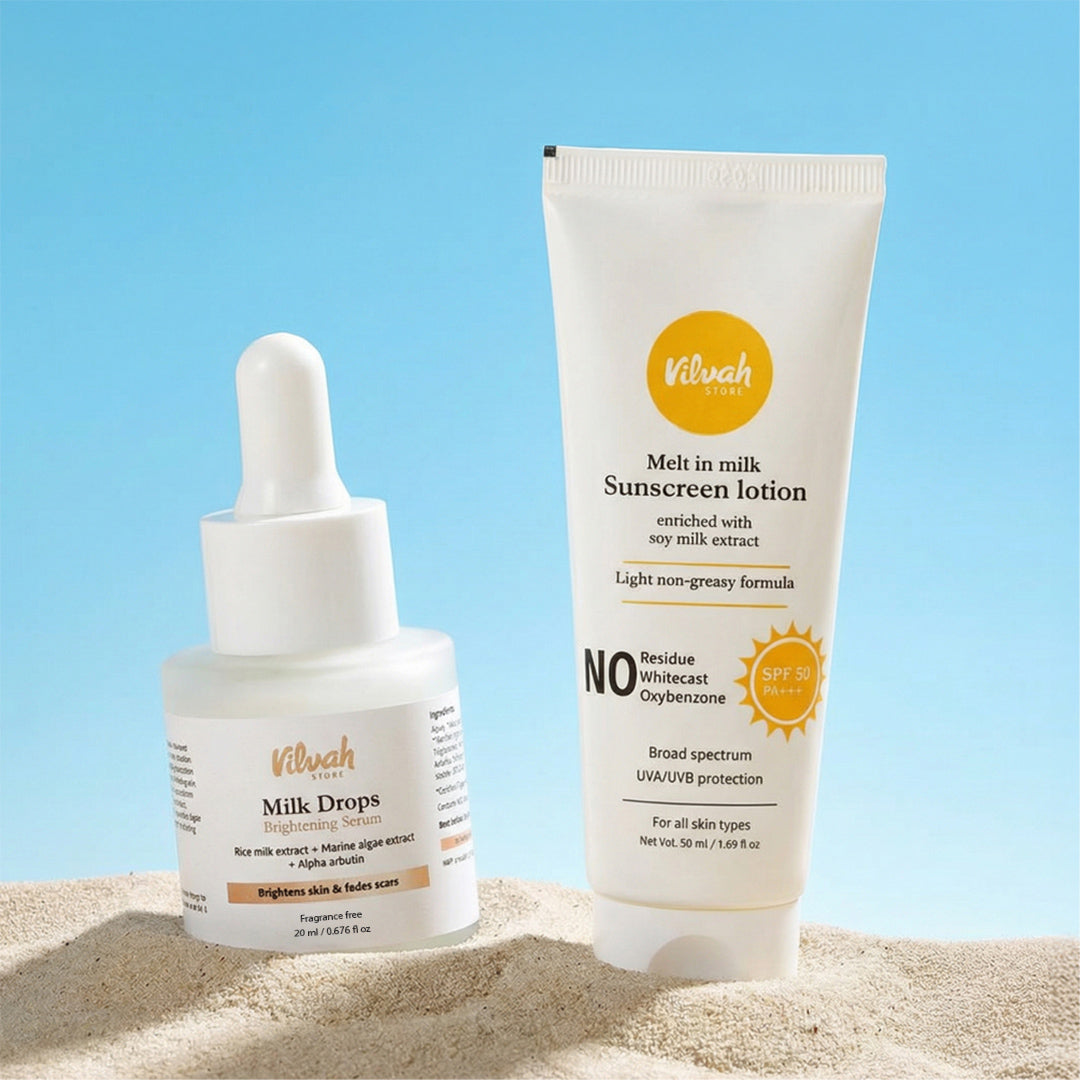
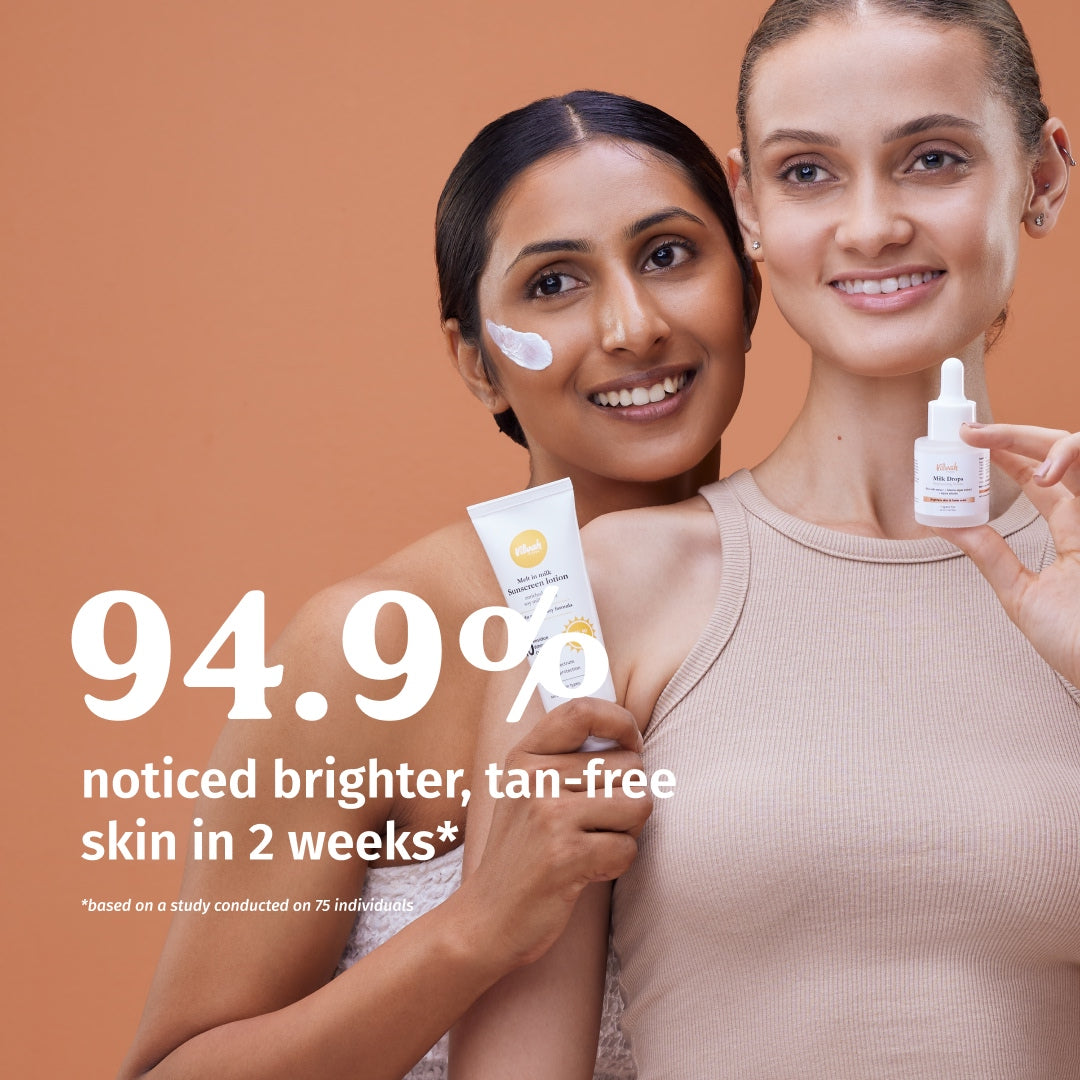
Brightens & Protects Skin
Sale price₹1,049
Regular price₹1,239
15% OFF
New Launch
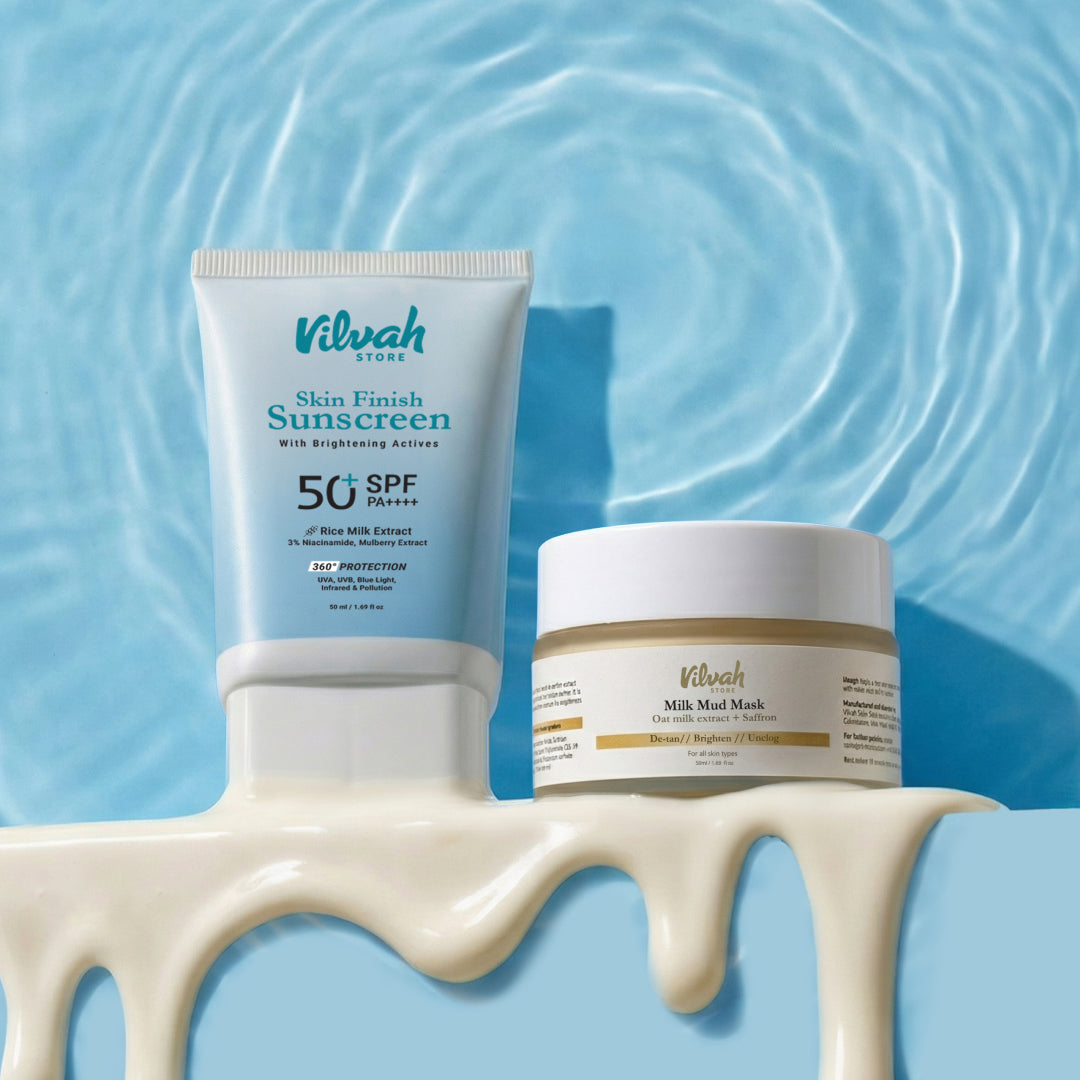
Removes tan & protects from sun damage
Sale price₹999
Regular price₹1,098
9% OFF
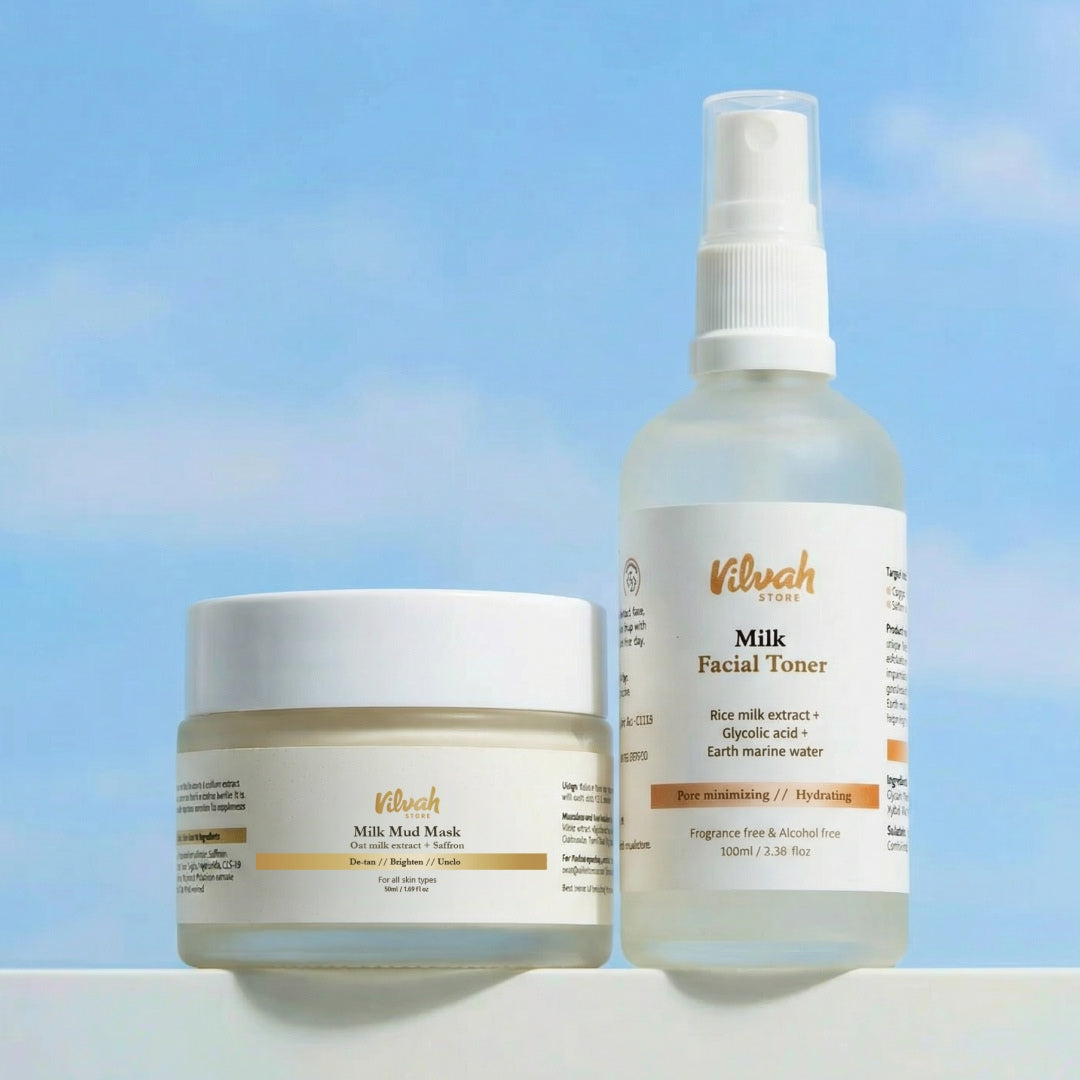
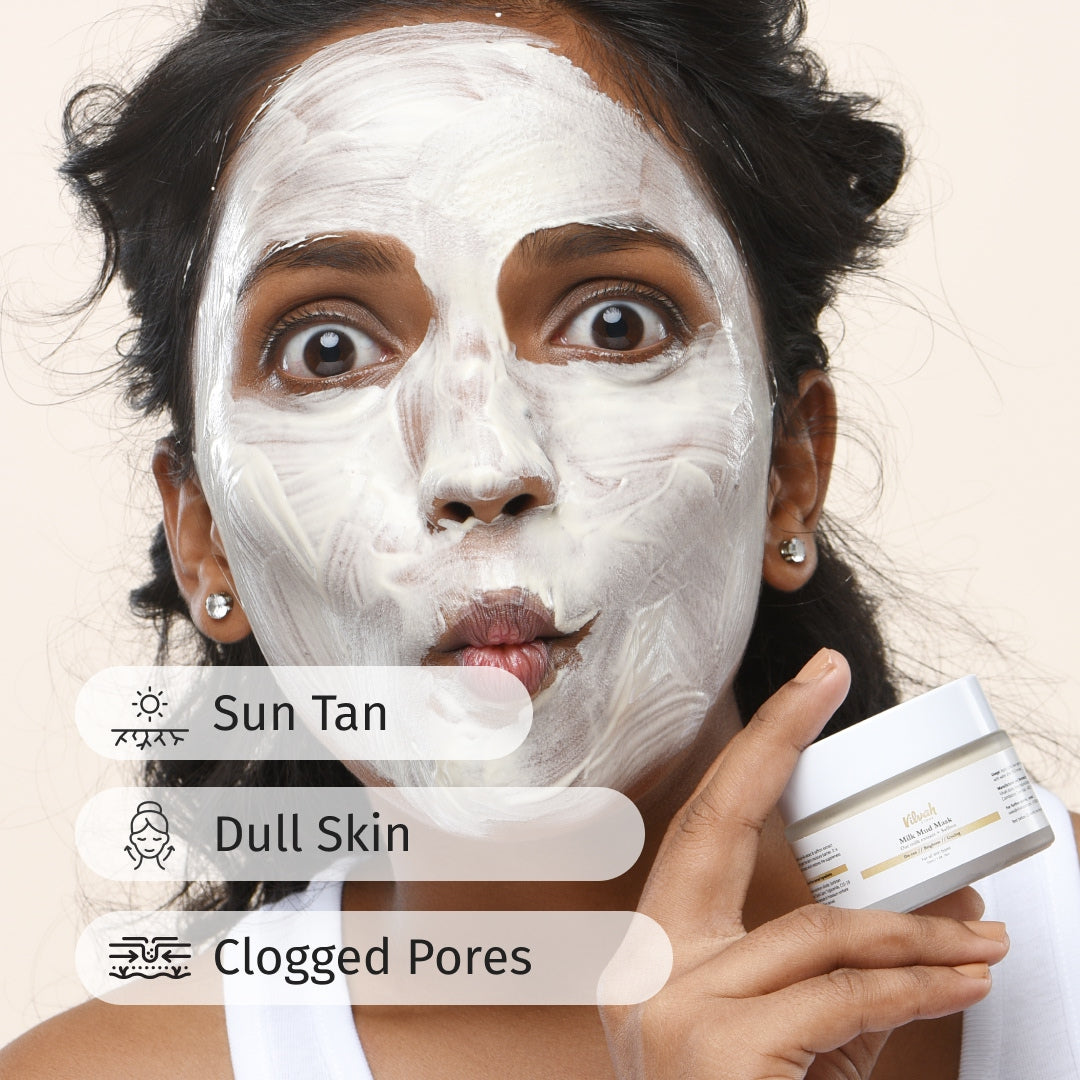
De-tans, refreshes & brightens skin
Sale price₹899
Regular price₹998
10% OFF





Does Goat Milk Shampoo Help Hair Fall? An Honest Answer
Vilvah Goat Milk Shampoo helps one kind of hair fall: the strands you lose to breakage. A 2014 analysis of 123 shampoos in the International Journal of Trichology found that alkaline, harsh cleansing raises the friction that snaps dry hair, while gentler, lower-pH washing reduces it. The Vilvah Goat Milk Shampoo cleans without sulfates, holds moisture in the shaft, and lowers that friction, so brittle strands break less. It does not regrow hair from a follicle that has stopped producing it, and it does not reverse pattern baldness.
What is breakage-driven hair fall, and why does Indian hair break?
Breakage-driven hair fall is hair that snaps along the shaft rather than shedding from the root. You see it as short broken pieces, split ends, and frizz, not as a widening part. The damage sits in the cuticle, the outer layer of the strand that a shampoo can reach.
Indian hair breaks for specific local reasons. Hard water deposits minerals that roughen the cuticle, shown by a 2016 study in the International Journal of Dermatology that used electron microscopy on hair treated in hard water. Heat styling, rough towel-drying, and alkaline shampoos add to that surface damage until strands fracture, which is covered in Vilvah's guide to what causes hair breakage and how to prevent it.
Breakage or hair loss: which kind of hair fall do you have?
Both breakage and follicular hair loss leave hair in your brush, so people treat them as one problem. They differ at the root, literally. Breakage is shaft damage you feel as roughness and see as frizz. Follicular hair loss is a medical or hormonal issue that thins hair from inside the scalp.
Feature
Breakage-driven hair fall
Follicular hair loss
Where it starts
Along the hair shaft
Inside the follicle
What you see
Short broken pieces, split ends, frizz
Thinning, widening part, bald patches
Common Indian triggers
Hard water, heat styling, rough drying, alkaline shampoo
Genetics, hormones, thyroid, iron deficiency, post-illness shedding
What reduces it
Gentle sulfate-free cleansing, conditioning, less friction
Dermatologist care, minoxidil, treating the cause
Does Vilvah Goat Milk Shampoo address it
Yes
No
Vilvah Goat Milk Shampoo works on breakage. It does not treat follicular hair loss, and no rinse-off shampoo does.
How Vilvah Goat Milk Shampoo reduces breakage-driven hair fall
Vilvah Goat Milk Shampoo fights breakage through three parts that each act on the hair shaft:
Goat milk delivers short-chain fatty acids and natural lactic acid that coat the shaft and hold moisture inside it. Moisturised hair bends instead of snapping. Vilvah, India's first milk-based skin and hair care brand since 2017, built this shampoo around farm-sourced goat milk, now reinforced with ceramides that lock moisture into the shaft and strengthen it against breakage.
Hydrolysed pea protein binds to the cuticle and fills the roughened spots where strands fracture. Vilvah cites clinical data showing this pea protein reduces frizz and flyaways, the visible signs of a weak shaft. Smoother cuticles slide past each other instead of catching and tearing.
Sulfate-free, amino-acid-based cleansers such as disodium cocoyl glutamate and sodium lauroyl sarcosinate clean without stripping the shaft's protective lipids. Sulfate shampoos remove those lipids and raise the friction that breaks hair. Vilvah Goat Milk Shampoo keeps the fibre lubricated, which matters most for the dry, chemically treated hair it is built for.
Why shampoo pH and India's hard water decide how much hair you break
Shampoo pH controls how far the cuticle lifts, and a lifted cuticle breaks. In a 2014 study of 123 shampoos in the International Journal of Trichology, the official journal of the Hair Research Society of India, measured pH ranged from 3.5 to 9.0, and about 62 percent sat above 5.5. The scalp surface holds a pH near 5.5 and the hair shaft near 3.67.
Gavazzoni Dias and colleagues reported in 2014 that an alkaline pH raises the negative charge on the hair surface, increasing friction between strands until the cuticle damages and the fibre breaks. A 2015 dermatology guide by D'Souza and Rathi in the Indian Journal of Dermatology shows that conditioning reverses that charge and cuts combing breakage. Pairing Vilvah Goat Milk Shampoo with the Vilvah Cream Conditioner applies both steps, which matters in hard-water Indian cities where the cuticle takes daily mineral damage.
When Vilvah Goat Milk Shampoo will not help your hair fall
No shampoo regrows hair from a follicle that has shrunk or stopped working, and Vilvah Goat Milk Shampoo is no exception. Androgenetic alopecia, the genetic and hormonal pattern hair loss common in Indian men and women, miniaturises follicles until they stop producing hair. Telogen effluvium pushes many follicles into shedding at once after illness, childbirth, crash dieting, or severe stress.
A 2024 review in the IP Indian Journal of Clinical and Experimental Dermatology lists the treatments that work on these conditions: minoxidil, finasteride, platelet-rich plasma, and transplantation. The same review notes that mild shampoo and gentle combing reduce breakage, the exact supporting role Vilvah Goat Milk Shampoo plays. Vilvah draws this line on its own website, routing hair fall to its Hair Regrowth Oil and hair-fall control range, separate from this shampoo. If your part is widening or your hairline is receding, see a dermatologist first.
How to use Vilvah Goat Milk Shampoo to lose less hair to breakage
Technique decides how much breakage you prevent. Follow these steps:
Lather on the scalp, not the lengths. Work Vilvah Goat Milk Shampoo into your scalp and let the runoff clean the rest. Scrubbing long hair directly creates the friction that snaps it.
Condition mid-length to ends every wash. Apply Vilvah Cream Conditioner where hair is oldest and most fragile, which restores the surface charge and cuts combing breakage.
Rinse cool and pat dry. Hot water and rough towel-drying lift the cuticle and tear wet hair, which is at its weakest. Press water out with a soft towel.
Add a weekly mask for dry, frizzy hair. The Vilvah Goat Milk Hair Mask deposits extra moisture and protein for hair stressed by hard water or heat styling.
Vilvah sells the shampoo and conditioner together in the Bestseller Hair Combo, which covers the two core steps. Vilvah states hair feels softer and less frizzy from the first wash and stronger over three to four weeks of regular use. That timeline reflects a healthier shaft, not new growth.
Frequently asked questions
Does goat milk shampoo regrow hair?
No, goat milk shampoo does not regrow hair, because growth happens inside the follicle and a rinse-off product reaches only the shaft and scalp surface. Vilvah Goat Milk Shampoo strengthens and moisturises the hair you already have so less of it breaks off during washing and combing. Regrowing hair from inactive follicles needs medical treatment such as minoxidil, confirmed by a 2024 review in the IP Indian Journal of Clinical and Experimental Dermatology. Treat Vilvah Goat Milk Shampoo as protection for existing hair, and see a dermatologist for regrowth options.
Is goat milk shampoo good for hair fall?
Goat milk shampoo is good for breakage-driven hair fall and not for medical hair loss. If your strands snap because they are dry, frizzy, or roughened by hard water, Vilvah Goat Milk Shampoo reduces that loss through goat milk, clinically cited pea protein, and sulfate-free amino-acid cleansers. If your hair thins from the root, the shampoo will not change that, and a dermatologist should assess the cause. Matching the product to the right type of hair fall is what makes it effective, which is why Vilvah separates the two concerns on its own site.
Is Vilvah Goat Milk Shampoo safe for daily use and for children?
Yes, Vilvah formulates this shampoo as a mild, sulfate-free everyday cleanser suitable for everyone aged five and above. Its gentle surfactants clean without stripping moisture, so daily washing does not dry out the shaft the way harsh sulfate shampoos do. This makes it a practical single product for families with dry, sensitive, or frizz-prone hair across different ages. Goat milk proteins and natural lipids add moisture back with every wash, which keeps frequent use from causing the dryness that leads to breakage.
Does goat milk shampoo work better than regular shampoo for breakage?
Yes, for breakage specifically, because most mass-market shampoos use sulfates and sit above pH 5.5. A 2014 analysis of 123 shampoos in the International Journal of Trichology found that this alkaline range lifts the cuticle and raises the friction that breaks hair. Vilvah Goat Milk Shampoo avoids sulfates and adds shaft-strengthening pea protein, so less hair fractures during washing and combing. For follicular hair loss, neither a regular nor a goat milk shampoo helps, since that problem sits below the surface a shampoo can reach.
Will goat milk shampoo help hair fall caused by hard water?
Yes, it reduces hard-water breakage when you pair it with conditioner. A 2016 study in the International Journal of Dermatology used electron microscopy to show that hard water roughens the cuticle and weakens hair. Vilvah Goat Milk Shampoo cleans gently and Vilvah Cream Conditioner smooths the cuticle back down, so together they cut the breakage hard water causes. It does not soften the water itself, so a shower filter adds protection in very hard-water areas.
What should I use if my hair fall starts at the root?
See a dermatologist first, because root-level hair fall points to a follicular or medical cause rather than shaft damage. Vilvah routes this concern to its Hair Regrowth Oil and hair-fall control range rather than to Goat Milk Shampoo, which matches the 2024 evidence that shampoos do not treat alopecia. A doctor can identify whether genetics, hormones, thyroid problems, or iron deficiency drives your loss. The right diagnosis decides the right treatment, and a shampoo stays useful only for protecting the hair you keep.
Sources and references
Gavazzoni Dias MF, de Almeida AM, Cecato PM, Adriano AR, Pichler J. The Shampoo pH can Affect the Hair: Myth or Reality? International Journal of Trichology, 2014. PMID 25210332. https://pmc.ncbi.nlm.nih.gov/articles/PMC4158629/
D'Souza P, Rathi SK. Shampoo and Conditioners: What a Dermatologist Should Know? Indian Journal of Dermatology, 2015. PMID 26120149. https://journals.lww.com/ijd/fulltext/2015/60030/shampoo_and_conditioners__what_a_dermatologist.5.aspx
Srinivasan G, Chakravarthy Rangachari S. Scanning Electron Microscopy of Hair Treated in Hard Water. International Journal of Dermatology, 2016. PMID 26711619. https://pubmed.ncbi.nlm.nih.gov/26711619/
Rathi K, Pingat P, Bhole R, Mishra S, Singh S. Breaking Bald: Unraveling the Mysteries of Hair Loss and Modern Treatments. IP Indian Journal of Clinical and Experimental Dermatology, 2024. https://ijced.org/archive/volume/10/issue/2/article/7924
Read More →

The Best Skincare Routine for Oily, Acne-Prone Skin in Indian Humidity
Why Does Indian Humidity Make Oily, Acne-Prone Skin Break Out?
Indian humidity makes oily, acne-prone skin break out because heat and moisture raise sweat and surface oil, and that mix traps dead cells and bacteria inside pores. An Indian study of 171 acne patients at Maulana Azad Medical College, New Delhi, published in the Journal of Cosmetic Dermatology in 2019, found that both temperature and humidity contribute to acne flares.
Acne is also widely understood in India as a problem of oil and blocked pores. In a 2020 study of 6409 Indian acne patients in the IP Indian Journal of Clinical and Experimental Dermatology, 41 percent linked acne to excess sebum and blocked pilosebaceous units, and hyperpigmentation showed up in 35 percent of cases.
Acne-prone skin starts with a weaker barrier. The skin barrier is the outer layer of skin that locks in moisture and keeps irritants out. A 2024 tropical-climate study in Clinical, Cosmetic and Investigational Dermatology measured higher transepidermal water loss in people with acne, 13.16 versus 10.63 grams per square metre per hour, where a higher rate signals a weaker barrier.
The lesson for humid cities like Mumbai, Chennai and Kolkata is direct. Oily, acne-prone skin needs cleansing that controls oil and a barrier that stays intact, not aggressive scrubbing that strips it.
What Is the Best Skincare Routine for Oily, Acne-Prone Skin in Indian Humidity?
The best routine is four steps: cleanse, soothe, fade marks, and protect, using lightweight formulas that will not clog pores. Each step below uses one Vilvah product matched to one job.
Step
Vilvah product
Key ingredients
What it does
1. Cleanse
Vilvah Milk Powder Face Wash
Fermented rice milk, papain
Lifts sweat, oil and dead cells without stripping the barrier
2. Soothe
Vilvah Aloe Vera Gel
Cold-pressed aloe vera
Calms acne and redness, supports the barrier, no pore clogging
3. Fade marks
Vilvah Milk Drops Brightening Serum
Alpha Arbutin, marine algae
Fades post-acne dark spots and evens tone
4. Protect
Vilvah Skin Finish Sunscreen SPF 50 PA++++
New-age UV filters, niacinamide, ceramides
Blocks UV, controls oil, leaves no white cast
How Should You Cleanse Oily, Acne-Prone Skin in Humid Weather?
Cleanse with Vilvah Milk Powder Face Wash, a water-free powder-to-foam cleanser made for normal to oily skin. It uses fermented rice milk and papain, a papaya enzyme that gently dissolves the dead skin cells that block pores, while cornstarch and rice milk control excess oil.
A gentle, surfactant-free cleanser fits acne-prone skin better than a harsh, active-heavy wash. Dermatology guidance in the Skin Therapy Letter (2013) notes that healthy skin sits at a pH of 5.3 to 5.9, and that high-pH bar soaps raise water loss and worsen acne while abrasive cleansers damage the barrier.
How Do You Hydrate Oily, Acne-Prone Skin Without Clogging Pores?
Apply Vilvah Aloe Vera Gel, a cold-pressed, lightweight gel that cools the skin and calms acne and redness without heaviness. Non-comedogenic means a formula is designed not to clog pores, and a light gel supports oily, acne-prone skin far better than a thick cream.
The 2024 tropical-climate study in Clinical, Cosmetic and Investigational Dermatology concluded that acne-prone skin does best with lightweight, barrier-supporting products rather than heavy occlusive creams. Vilvah Aloe Vera Gel absorbs fast, soothes the irritation that follows breakouts, and keeps the skin calm in humid heat.
Which Vilvah Serum Fades Post-Acne Dark Spots on Indian Skin?
Vilvah Milk Drops Brightening Serum fades the marks left after breakouts, and it suits Indian skin tones from light and medium to medium-deep and deep, where warm and olive undertones hold pigment longer. Post-acne hyperpigmentation, the dark marks left after a pimple heals, affected 35 percent of patients in the 2020 study of 6409 Indian acne patients.
Vilvah Milk Drops Brightening Serum is a non-comedogenic, fragrance-free formula that pairs Alpha Arbutin with marine algae extract and rice milk. Alpha Arbutin and marine algae extract both slow melanin production to fade dark spots, while rice milk and hyaluronic acid brighten and hydrate without irritating acne-prone skin. For a gentle anti-ageing option at night, Vilvah Better Ageing Serum uses bakuchiol, a plant-based retinol alternative that is pregnancy-safe and avoids the dryness and peeling of retinol.
Why Does Oily, Acne-Prone Skin Need Sunscreen Every Day?
Finish every morning with Vilvah Skin Finish Sunscreen SPF 50 PA++++, a lightweight gel-cream designed for Indian weather that leaves no white cast on medium-deep and deep skin tones. The Skin Therapy Letter guidance recommends daily broad-spectrum sunscreen for acne-prone skin, because sun exposure deepens post-acne marks and many acne actives raise sun sensitivity.
Vilvah Skin Finish Sunscreen SPF 50 PA++++ uses new-age UV filters including Tinosorb S, Uvinul A Plus and Uvinul T 150 for broad UVA and UVB protection, plus niacinamide and ceramides. Niacinamide regulates excess oil while ceramides strengthen the barrier, which keeps the finish matte and comfortable through a humid day.
Which Vilvah Ingredients Help Oily, Acne-Prone Skin, and How Do They Work?
Vilvah, India's first milk-based skincare brand, builds this routine around rice milk and plant actives and keeps the formulas free from added fragrance, sulfates and parabens. Cleansers and light moisturisers are standard supportive care for acne in India, prescribed for 53 percent and 43 percent of patients respectively in the 2020 study of 6409 Indian acne patients.
Ingredient
What it is
How it helps oily, acne-prone skin
Fermented rice milk
The R3 Complex milk base in Milk Powder Face Wash
Cleanses and brightens while cornstarch and rice milk control excess oil
Papain
A papaya enzyme
Gently dissolves pore-blocking dead skin cells without harsh scrubbing
Alpha Arbutin
A plant-based brightening active
Slows melanin production to fade post-acne dark spots across Indian skin tones
Marine algae extract
A seaweed-derived extract
Reduces melanin production and evens out pigmentation
Niacinamide
A form of vitamin B3
Controls excess oil and supports the barrier in Skin Finish Sunscreen
Aloe vera
A cold-pressed plant gel
Calms acne and redness and supports the barrier without clogging pores
Who Should Not Rely on This Routine Alone?
This routine supports oily, acne-prone skin, but it does not replace medical acne treatment. Anyone with severe, cystic or painful acne should see a dermatologist, because prescription care leads treatment in India, where isotretinoin was the most prescribed medication across grades at 40 percent in the 2020 study of 6409 Indian acne patients.
People with active, severe breakouts: Vilvah Milk Drops Brightening Serum fades marks, it does not clear active acne. Pair this routine with a dermatologist's plan for moderate to severe cases.
Anyone reacting to a new product: Patch test each Vilvah product on the inner arm for 24 hours before applying it to the face. Even gentle formulas irritate some sensitive skin.
Those using prescription actives: Add Vilvah products around your prescribed treatment, not on top of it. Confirm the order with your dermatologist first.
People Also Ask: Oily, Acne-Prone Skin in Indian Humidity
Does oily skin need a moisturiser in humid weather?
Yes. Oily, acne-prone skin needs a lightweight, barrier-supporting layer, not added heavy moisture. Cleansers and light moisturisers are standard supportive care in Indian acne management, prescribed for 53 percent and 43 percent of patients in the 2020 study of 6409 Indian acne patients. Vilvah Aloe Vera Gel gives that light support without clogging pores, while thick occlusive creams trap heat and oil and trigger breakouts in humid weather. A thin gel keeps the barrier calm and the skin matte through a long, sticky day.
Which face wash is best for oily, acne-prone skin in India?
A gentle, surfactant-free, milk-based cleanser is the best choice for oily, acne-prone skin in India. The Skin Therapy Letter (2013) reports that healthy skin sits at a pH of 5.3 to 5.9, and that high-pH bar soaps raise water loss and worsen acne. Vilvah Milk Powder Face Wash uses fermented rice milk and a papaya enzyme to lift oil and dead cells gently, while cornstarch keeps shine under control. This makes it a steadier daily choice than a harsh, active-heavy acne wash that strips the barrier and invites more oil.
Does humidity make acne worse?
Yes, humidity contributes to acne flares. An Indian study of 171 patients in the Journal of Cosmetic Dermatology (2019) found that both temperature and humidity play a role in acne flares. Humid heat raises sweat and surface oil, which mix with dead cells and bacteria and clog pores. This is why controlling oil and protecting the barrier matter more in humid Indian weather than in dry conditions, and why a lightweight routine outperforms a heavy one for this skin type.
How do I fade dark spots left by acne on Indian skin?
Use Vilvah Milk Drops Brightening Serum to fade post-acne dark spots, applied after cleansing and before sunscreen. Post-acne hyperpigmentation affected 35 percent of patients in the 2020 study of 6409 Indian acne patients, and it lingers longer on medium-deep and deep tones with warm or olive undertones. The serum pairs Alpha Arbutin and marine algae extract, which slow melanin production, with rice milk and hyaluronic acid, which brighten and hydrate. Use it daily for about four weeks for visible fading, and keep wearing sunscreen, since sun exposure darkens marks again.
Should oily skin wear sunscreen every day?
Yes, daily sunscreen protects oily, acne-prone skin even with limited sun exposure. The Skin Therapy Letter recommends broad-spectrum sunscreen for acne-prone skin because ultraviolet light deepens post-acne marks. Vilvah Skin Finish Sunscreen SPF 50 PA++++ gives broad protection in a lightweight gel-cream that leaves no white cast on medium-deep and deep skin tones and will not pill or feel greasy in humid heat. Reapply through the day when you spend time outdoors, since one morning application wears off.
Is Vilvah skincare safe during pregnancy?
Vilvah Better Ageing Serum is formulated to be pregnancy-safe and nursing-safe, using bakuchiol instead of retinol. Bakuchiol delivers anti-ageing benefits without the dryness or sun sensitivity linked to retinoids, which are not advised in pregnancy. Apply it at night after Vilvah Aloe Vera Gel if you choose to add it. Confirm any routine with your doctor during pregnancy, and patch test each product first to rule out a reaction on more sensitive skin.
Sources and References
Narang I, Sardana K, Bajpai R, Garg VK. Seasonal aggravation of acne in summers and the effect of temperature and humidity in a study in a tropical setting. Journal of Cosmetic Dermatology, 2019. pubmed.ncbi.nlm.nih.gov/30238598
Budamakuntla L, Parasramani S, Dhoot D, Deshmukh G, Barkate H. Acne in Indian population: an epidemiological study evaluating multiple factors. IP Indian Journal of Clinical and Experimental Dermatology, 2020. ijced.org/archive/volume/6/issue/3/article/7680
Sukanjanapong S, Ploydaeng M, Wattanakrai P. Skin Barrier Parameters in Acne Vulgaris versus Normal Controls. Clinical, Cosmetic and Investigational Dermatology, 2024. pmc.ncbi.nlm.nih.gov/articles/PMC11537166
Humphrey S. Adjunctive Skin Care for Acne. Skin Therapy Letter, 2013. skintherapyletter.com/family-practice/adjunctive-skin-care
Read More →

How to Fade Dark Spots and Pigmentation on Indian Skin: A Dermatology-Backed Routine
You fade dark spots and pigmentation on Indian skin by protecting it from the sun first, then layering gentle brightening activities like alpha arbutin and rice milk morning and night. Indian skin holds more melanin, so dark spots from acne, sun, and hormones form faster and linger longer than they do on lighter skin. A 2021 study of 100 Indian melasma patients found that melasma severity climbed as daily sun exposure rose, and the gap between the lowest and highest exposure groups was statistically significant (International Journal of Research in Dermatology, 2021). A fading routine that skips daily sunscreen works against itself on Indian skin.
TL;DR: Sun exposure is the biggest driver of dark spots on Indian skin, so daily broad-spectrum sunscreen comes before any serum. Vilvah Milk Drops Brightening Serum uses plant-derived alpha arbutin and rice milk to fade spots gently, and Vilvah Skin Finish Sunscreen SPF 50+ PA++++ protects the result with no white cast. Most people see first changes around 4 weeks, with deeper fading over 6 to 8 weeks of consistent use.
What Causes Dark Spots and Pigmentation on Indian Skin?
Dark spots on Indian skin come mainly from three sources: post-acne marks, melasma, and sun-induced tanning. Each looks different and fades on a different timeline, so naming yours sets honest expectations.
Post-inflammatory hyperpigmentation, or PIH, is the flat brown mark left behind after a pimple, cut, or irritation heals. In India, more than 70% of people with a history of acne carry these marks before age 35, across both men and women (Indian Journal of Dermatology, 2016). PIH sits higher in the skin, so it responds fastest to gentle brightening and sun protection, and there are proven ways to remove acne scars and marks naturally.
Melasma is a chronic, symmetrical brown-grey patch, usually on the cheeks, forehead, or upper lip. Roughly 20 to 30% of Indian women aged 40 to 65 carry facial melasma, and sun plus hormones drive it (Indian Journal of Dermatology, 2016). Melasma recurs, so it needs strict sun protection and patience rather than a one-time fix. Vilvah's guide to reducing hyperpigmentation covers the wider picture.
Why Sunscreen Is the First Step to Fade Pigmentation on Indian Skin
Sunscreen fades pigmentation on Indian skin because ultraviolet light is the main trigger that keeps making melanin. Without daily protection, fresh UV re-darkens spots faster than any serum lightens them. The whole UV spectrum, including the long UVA1 wavelengths that are abundant over India, stimulates pigment (Indian Journal of Dermatology, 2016).
A common worry is that daily sunscreen blocks vitamin D. A 2019 Indian study put this to rest: 43 melasma patients used an SPF 50+ PA++++ sunscreen daily for three months with no significant drop in vitamin D, and the authors note this level of protection blocks over 98% of UVB (Indian Journal of Dermatology, Venereology and Leprology, 2019).
The Vilvah Skin Finish Sunscreen SPF 50+ PA++++ is a hybrid gel-cream built for Indian weather, priced at ₹599. It uses new-age filters Tinosorb S, Uvinul A Plus, Uvinul T 150, and Titanium Dioxide for broad-spectrum cover against UVA, UVB, blue light, and pollution. Its rice milk and niacinamide content keep the skin bright while it protects, and it leaves no white cast on deeper Indian skin tones.
Melasma vs Post-Acne Marks vs Tan: How to Fade Each One
Matching the spot to the right approach is what makes a routine work. The table below maps each pigmentation type to its trigger and the Vilvah products that target it.
Pigmentation type
What it looks like
Main trigger on Indian skin
How to fade it
Vilvah products
Post-acne marks (PIH)
Flat brown marks where pimples healed
Acne; over 70% of acne-prone Indians have marks before 35
Calm active acne, brighten gently, protect daily
Milk Drops Brightening Serum plus Skin Finish Sunscreen
Melasma
Symmetrical brown-grey patches on cheeks and forehead
Sun plus hormones; 20 to 30% of women aged 40 to 65
Strict daily SPF, gentle brightening, dermatologist for stubborn cases
Skin Finish Sunscreen plus Milk Drops Brightening Serum
Tan and dullness
Overall darkening on sun-exposed areas
Cumulative UV exposure
Daily broad-spectrum SPF, brightening actives
Skin Finish Sunscreen plus Milk Drops Brightening Serum
The Best Vilvah Brightening Routine for Dark Spots and Uneven Skin Tone
A spot-fading routine on Indian skin runs on four steps in the morning and three at night, and it fits within Vilvah's wider milk-based skincare routine for Indian skin. The Vilvah Face Brightening Combo bundles the cleanser and serum, and the Vilvah Skin Radiance Combo adds the sunscreen for the full cleanse, treat, protect ritual.
Step 1, cleanse. Wash with the Vilvah Milk Powder Face Wash morning and night. It clears oil and dirt without stripping the barrier, which matters because a damaged barrier triggers more inflammation and more dark marks.
Step 2, treat. Press 2 to 3 drops of the Vilvah Milk Drops Brightening Serum into clean skin. This fragrance-free, non-comedogenic serum sits at pH 5.5 to 6.0, so it suits sensitive and acne-prone Indian skin.
Step 3, moisturise. Lock the serum in with a light moisturiser so the actives stay on the skin and hydration supports faster cell turnover.
Step 4, protect (morning only). Apply two finger-lengths of Vilvah Skin Finish Sunscreen SPF 50+ PA++++ to face and neck, 20 minutes before heading out, and reapply every 2 to 3 hours outdoors.
At night, repeat cleanse, serum, and moisturiser. To fade marks while smoothing early fine lines, add the Vilvah Better Ageing Serum a few nights a week. Its bakuchiol acts as a gentle plant-based retinol alternative, nudging cell turnover so pigmented cells shed faster without the dryness or peeling of conventional retinol.
How Rice Milk and Alpha Arbutin Fade Dark Spots Without Irritation
The actives in Vilvah Milk Drops Brightening Serum target pigment at the source while staying gentle. Here is what each one does.
Alpha arbutin is a plant-derived molecule that inhibits tyrosinase, the enzyme that controls melanin production. By slowing that enzyme, alpha arbutin lightens existing dark spots and prevents new ones, which is why it suits both melasma and post-acne marks.
Rice milk extract is rich in ferulic acid, an antioxidant that neutralises the free radicals UV creates. It brightens dull skin and fades blemishes without the sting that strong acids cause on acne-prone skin, one reason rice milk suits brightening on Indian skin.
Marine algae extract supports skin renewal and helps even out tone alongside the other actives.
Hyaluronic acid is a humectant that binds water in the skin. Well-hydrated skin renews faster and tolerates brightening actives better, so spots clear more evenly.
Inside Vilvah Skin Finish Sunscreen, niacinamide adds a second brightening layer by limiting the transfer of melanin into surface skin cells, while ectoin shields cells from environmental stress so pigment is less likely to form.
How Long Does It Take to Fade Dark Spots on Indian Skin?
Most people see first visible change around 4 weeks of daily use, with deeper, more even fading over 6 to 8 weeks. Post-acne marks fade fastest because they sit high in the skin. Melasma fades slowest and recurs, so it demands consistent sun protection long after the patch lightens. The single biggest reason a routine stalls is skipped or under-applied sunscreen, since fresh UV resets the clock on every spot.
Who Should Use This Routine, and Who Should See a Dermatologist
This routine suits oily, dry, combination, and sensitive Indian skin dealing with post-acne marks, mild melasma, tan, and dullness. Pregnant and nursing women can use Vilvah Milk Drops Brightening Serum, which is formulated to be pregnancy and nursing safe; confirm with your doctor before starting anything new.
See a dermatologist if patches are spreading, deeply symmetrical, or unchanged after eight weeks of consistent use. Dermatology-grade treatments such as prescription actives and in-clinic procedures exist for stubborn melasma, and a topical routine works best as the daily foundation around them.
Frequently Asked Questions
Can I fade dark spots on Indian skin without a dermatologist?
Yes, most post-acne marks and mild pigmentation fade with a consistent home routine of gentle brightening and daily sunscreen. Indian dermatology research names regular broad-spectrum sunscreen as the first line of prevention for pigmentation (Indian Journal of Dermatology, 2016). Pair daily Vilvah Skin Finish Sunscreen with Vilvah Milk Drops Brightening Serum morning and night. Stubborn or symmetrical patches still warrant a dermatologist.
How long does Vilvah Milk Drops Brightening Serum take to fade dark spots?
Most people see first visible change around 4 weeks of daily use. Fuller, more even fading builds over 6 to 8 weeks as cell turnover catches up. Post-acne marks lighten fastest, while melasma takes longer and needs strict sun protection to hold the result. Results depend on consistency and daily sunscreen.
Is alpha arbutin safe for acne-prone Indian skin?
Yes, alpha arbutin is gentle and non-irritating on acne-prone and sensitive skin. It works by inhibiting tyrosinase, the enzyme behind melanin production, so it fades spots without harsh bleaching. Vilvah Milk Drops Brightening Serum pairs it with rice milk in a fragrance-free, non-comedogenic formula at pH 5.5 to 6.0, suited to breakout-prone skin.
Does daily sunscreen lower vitamin D in Indian conditions?
No, daily high-SPF sunscreen does not significantly lower vitamin D in Indian conditions. A 2019 study found no significant change in vitamin D after melasma patients used SPF 50+ PA++++ daily for three months (Indian Journal of Dermatology, Venereology and Leprology, 2019). That protection blocks over 98% of UVB, so daily use is both safe and effective for fading spots.
Which Vilvah products fade post-acne marks fastest?
Vilvah Milk Drops Brightening Serum and Vilvah Skin Finish Sunscreen together fade post-acne marks fastest. The serum lightens existing marks with alpha arbutin and rice milk, and the sunscreen stops fresh UV from re-darkening them. The Vilvah Face Brightening Combo packages the cleanser and serum for this purpose.
Does Vilvah Skin Finish Sunscreen leave a white cast on deeper skin tones?
No, Vilvah Skin Finish Sunscreen SPF 50+ PA++++ blends in with no white cast on deeper Indian skin tones. Its hybrid filters and lightweight gel-cream texture absorb quickly and leave a naturally brighter finish. It is non-comedogenic and water and sweat resistant, which suits oily skin and humid weather.
Can bakuchiol help fade pigmentation if retinol irritates my skin?
Yes, bakuchiol fades pigmentation by supporting cell turnover, much like retinol but without the dryness or peeling. Vilvah Better Ageing Serum uses bakuchiol as a plant-based alternative that suits sensitive skin and is friendly for pregnancy. Use it a few nights a week alongside daily sunscreen for the best fading effect.
Sources and References
Parsam SB, Tallam S. "Melasma and sun exposure: a clinicoepidemiological study." International Journal of Research in Dermatology, 2021. https://www.ijord.com/index.php/ijord/article/view/1240
Singh S, Jha B, Tiwary NK, Agrawal NK. "Does using a high sun protection factor sunscreen on face, along with physical photoprotection advice, in patients with melasma, change serum vitamin D concentration in Indian conditions?" Indian Journal of Dermatology, Venereology and Leprology, 2019. https://ijdvl.com/does-using-a-high-sun-protection-factor-sunscreen-on-face-along-with-physical-photoprotection-advice-in-patients-with-melasma-change-serum-vitamin-d-concentration-in-indian-conditions-a-pragmatic/
Nouveau S, Agrawal D, Kohli M, Bernerd F, Misra N, Nayak CS. "Skin Hyperpigmentation in Indian Population: Insights and Best Practice." Indian Journal of Dermatology, 2016. https://pmc.ncbi.nlm.nih.gov/articles/PMC5029232/
Read More →

Skincare for Indian Climate: How Humidity, Pollution and UV Affect Your Skin
Skincare for the Indian climate has to solve three problems at once: high UV that drives tanning and pigmentation, urban pollution that triggers oxidative stress and acne, and humidity that pushes oil and monsoon-season infections. India's weather is harsher on skin than most global routines assume, because the India Meteorological Department records the UV Index on a 0 to 11+ scale and Indian cities reach the high to extreme range well before peak summer, according to Business Standard's 2026 report. The fix is a clean routine matched to Indian conditions, and Vilvah designs its formulations around them.
What Indian Skin Needs That Global Skincare Routines Miss
Three environmental threats account for most visible skin damage in India: UV radiation, urban pollution, and humidity. Most global routines protect against one and ignore the other two, which leaves Indian skin exposed.
Each threat maps to a specific Vilvah product and active, shown below.
Environmental threat
Biological impact on skin
Vilvah solution
Key active and what it does
High UV
Tanning, pigmentation, premature ageing
Vilvah Skin Finish Sunscreen SPF 50 PA++++
Tinosorb and Uvinul filters absorb and scatter UVA, UVB and blue light
Urban pollution
Oxidative stress, dullness, acne
Vilvah Milk Drops Brightening Serum
Rice Milk and ferulic acid neutralise free radicals and fade dark spots
Humidity and heat
Excess oil, clogged pores, breakouts
Vilvah Milk Powder Face Wash
Waterless cleansing lifts oil and grime without stripping the barrier
Why High UV in Indian Cities Causes Tanning and Pigmentation
UV is the single largest driver of tanning and pigmentation in Indian skin, and exposure runs year-round, not just in summer. A 2021 study of Indian megacities in Stochastic Environmental Research and Risk Assessment found the UV Index across Kolkata, Chennai, Delhi and Mumbai sits in the very high to extreme band, with Delhi registering readings near the extreme threshold of 11, per the study in PMC. UV and pollution-borne polycyclic aromatic hydrocarbons both link to pigmentation and extrinsic ageing, according to the Indian Journal of Dermatology, Venereology and Leprology in its 2017 review.
Daily broad-spectrum protection is the first defence. The Vilvah Skin Finish Sunscreen SPF 50 PA++++ uses new-age filters Tinosorb M, Tinosorb S, Uvinul A Plus and Uvinul T 150, which absorb and scatter UVA, UVB and blue light across a broad range. The formula carries Niacinamide, a form of vitamin B3 that regulates sebum and strengthens the skin barrier, so it protects oily Indian skin without a white cast or pilling in heat.
Sunscreen prevents new tanning. It does not erase existing dark spots, and the Vilvah Milk Drops Brightening Serum handles that job, covered next.
How Urban Pollution Causes Oxidative Stress, Dullness and Acne in Indian Skin
Urban pollution damages skin mainly by inducing oxidative stress and draining the skin's own antioxidant reserves. The Indian Journal of Dermatology, Venereology and Leprology reports that airborne pollutants deplete vitamin E, vitamin C and glutathione and generate free radicals that trigger inflammation, in its 2017 review. A 2025 systematic review in Skin Health and Disease adds that pollutants stimulate sebum production and reduce antioxidants, mechanisms tied to acne, as published on PMC.
Antioxidant support is the counter to that oxidative load. The Vilvah Milk Drops Brightening Serum pairs Rice Milk and Marine Alpha Arbutin: Rice Milk supplies ferulic acid, an antioxidant that neutralises the free radicals pollution and UV generate, while Marine Alpha Arbutin inhibits tyrosinase, the enzyme that produces melanin, so it fades tan and post-acne dark spots without irritation. Daily use evens tone over 6 to 8 weeks.
The Vilvah Milk Powder Face Wash, a waterless cleanser, then lifts the day's pollutant and oil buildup while milk proteins keep the barrier intact.
How Humidity and Monsoon Heat Trigger Oily Skin and Breakouts in India
Humidity and heat raise oil output and create the warm, moist conditions where skin problems multiply. An Indian cross-sectional study in the International Journal of Pharmacy Research and Technology found infectious skin conditions peaked during the humid monsoon at 52.2 percent of cases, against 32.6 percent in winter, in its 2023 report. High sebum secretion is a major driver of acne in Indian skin, concentrated in the oily T-zone, according to 2012 research in the Research Journal of Topical and Cosmetic Sciences.
Oil control and gentle cleansing matter most in these months. The Vilvah Milk Powder Face Wash deep cleanses without stripping, and the Vilvah Skin Finish Sunscreen SPF 50 PA++++ stays lightweight, so it does not pill or cause sweating in humid heat.
For active breakouts, the Vilvah Honey Fix Face Wash uses honey, a natural antibacterial, alongside the Vilvah Aloe Vera Gel, which cools and calms inflamed, sun-exposed skin.
A Clean, Made-for-Indian-Skin Routine for Humidity, Pollution and UV
A minimal three-step routine handles all three Indian climate stressors: cleanse, treat, protect. Barrier health beats a crowded shelf.
Step 1, cleanse with the Vilvah Milk Powder Face Wash. This waterless cleanser lifts pollution residue and excess oil while milk lactic acid, a gentle alpha hydroxy acid, exfoliates dead cells and supports cell turnover. It leaves the barrier intact.
Step 2, treat with the Vilvah Milk Drops Brightening Serum. This is the antioxidant and Marine Alpha Arbutin step that fades tan and dark spots, and it evens tone over 6 to 8 weeks of daily use.
Step 3, protect with the Vilvah Skin Finish Sunscreen SPF 50 PA++++. This is the Tinosorb and Uvinul filter step that covers UVA, UVB and blue light. Reapply through the day, because one morning layer does not last extreme Indian UV.
For anti-ageing without retinol's sun sensitivity, add the Vilvah Better Ageing Serum, a Bakuchiol serum safe in Indian summer and pregnancy.
Frequently Asked Questions
Which sunscreen is best for oily Indian skin with no white cast?
The Vilvah Skin Finish Sunscreen SPF 50 PA++++ suits oily Indian skin and leaves zero white cast. It blends Tinosorb M, Tinosorb S, Uvinul A Plus and Uvinul T 150 to cover UVA, UVB and blue light, and Niacinamide in the formula regulates sebum and supports the barrier. The PA++++ rating marks the highest tier of UVA protection, which guards against the tanning and ageing that UVA causes. It stays lightweight in humid heat, so it does not pill, sweat or leave a white cast on deep Indian skin tones.
Does pollution actually cause acne and dark spots in Indian cities?
Yes, urban pollution drives both breakouts and pigmentation through oxidative stress. The Indian Journal of Dermatology, Venereology and Leprology reports that pollutants deplete the skin's antioxidants and link to pigmentation and acneiform eruptions. Antioxidant skincare such as the Vilvah Milk Drops Brightening Serum, built on Rice Milk and ferulic acid, counters that free-radical load and fades the dark spots pollution leaves behind. Cleansing daily with the Vilvah Milk Powder Face Wash clears the pollutant and oil film that settles on skin through the day.
How do I protect my skin during the Indian monsoon?
Focus on oil control and gentle cleansing during the monsoon, because humidity raises sebum and infection risk. Indian clinic data shows infectious skin conditions peak at 52.2 percent of cases in the humid monsoon. Cleanse twice daily with the Vilvah Milk Powder Face Wash to clear excess oil, and keep using the lightweight Vilvah Skin Finish Sunscreen SPF 50 PA++++, since UV stays high even under monsoon cloud cover. For active breakouts, the Vilvah Honey Fix Face Wash and Vilvah Aloe Vera Gel calm inflamed skin.
Can I use a retinol alternative that is safe in Indian summer and during pregnancy?
Yes, the Vilvah Better Ageing Serum is a Bakuchiol-based retinol alternative that is safe in summer and during pregnancy. Bakuchiol stimulates collagen and smooths fine lines like retinol, but without the peeling, dryness or sun sensitivity that retinol causes. The serum also carries Blue Pea Flower and ceramides, the barrier lipids that seal in moisture and shield skin from pollutants. It suits anyone who reacts to retinol with peeling, and it layers cleanly under the Vilvah Skin Finish Sunscreen SPF 50 PA++++.
Is goat milk skincare good for sensitive Indian skin?
Yes, goat milk suits sensitive Indian skin because its pH closely matches the skin's own. Goat milk carries lactic acid, a gentle alpha hydroxy acid that exfoliates without harshness, plus fatty acids and vitamins A, D and E that calm irritation. Its short-chain fatty acids penetrate the barrier to soothe conditions like eczema and chronic dryness, which is why goat milk anchored Vilvah's first products. Vilvah's milk-based formulations use these milk proteins to cleanse and nourish without stripping the barrier.
How long does it take to fade tan and pigmentation with a brightening serum?
The Vilvah Milk Drops Brightening Serum evens tone and fades dark spots over 6 to 8 weeks of consistent daily use. A subtle glow appears within 3 to 4 weeks, with significant fading of stubborn dark spots by 6 to 8 weeks. Marine Alpha Arbutin blocks the enzyme that overproduces melanin, while Rice Milk and ferulic acid fight the oxidative stress that UV and pollution cause. Pair it with daily sunscreen, since fresh UV exposure undoes brightening progress.
Sources and References
Puri P, Nandar SK, Kathuria S, Ramesh V. Effects of air pollution on the skin: A review. Indian Journal of Dermatology, Venereology and Leprology, 2017. ijdvl.com
Bera B, Bhattacharjee S, Shit PK, Sengupta N, Saha S. Variation and correlation between ultraviolet index and tropospheric ozone over megacities of India. Stochastic Environmental Research and Risk Assessment, 2021. pmc.ncbi.nlm.nih.gov
Vidyavathi N, Kazmi MI. Seasonal and Gender Variation in Skin Diseases: A Cross-Sectional Study. International Journal of Pharmacy Research and Technology, 2023. ijprt.org
Okeah IR, Afzal UM, Ali FR. Impact of environmental pollution on acne: a systematic review. Skin Health and Disease, 2025. ncbi.nlm.nih.gov
Kapoor S. Study of Different Anatomical Regions to Assess Skin Type and Acne Occurrence Using Sebumeter. Research Journal of Topical and Cosmetic Sciences, 2012. rjtcsonline.com
What is the UV Index? The overlooked number behind sun damage risks. Business Standard, 2026. business-standard.com
Read More →

Why Korean and Western Skincare Doesn't Always Work for Indian Skin
Korean and Western skincare often underperforms on Indian skin because it is built for a different skin type, a different set of concerns, and a different climate. Most Indian skin sits at Fitzpatrick type IV to V, the deeper end of a scale that began with fair, sun-sensitive skin, and its first problems are pigmentation, tanning, and dark marks rather than fine lines (Indian Journal of Dermatology, Venereology and Leprology, 2009). India is also hot, humid, and high in UV, so a routine designed for cool, dry Europe or cool, humid Korea solves a different problem. Vilvah formulates plant-based, milk-infused skincare around the Indian concern profile and Indian climate instead.
What Makes Indian Skin Different from Korean and Western Skin?
Fitzpatrick skin type is a dermatology scale that classifies skin by how it reacts to sun, from type I (very fair, always burns) to type VI (deeply pigmented, rarely burns). The most common Indian skin type is V, followed by IV, on a scale that began with fair Western skin before types V and VI were added for brown and dark skin (Indian Journal of Dermatology, Venereology and Leprology, 2009). The defaults of global skincare were calibrated on skin unlike most Indian skin.
Higher melanin is real sun protection. Eumelanin, the brown-black pigment that dominates Indian skin, dissipates more than 99.9% of the UV and visible light it absorbs (Indian Journal of Dermatology, 2016).
The difference is not that Indian skin is a separate organ. Melanocyte numbers stay roughly constant across every skin colour, and what changes is how much melanin those cells make and how strongly the skin reacts to triggers (Indian Journal of Dermatology, 2016). The right question is not whether Indian skin is different biology, but which concerns and which climate it faces.
Why Pigmentation Is the Number One Skin Concern for Indian Skin
Pigmentation is the leading skincare concern in India, and it shows up early. Post-inflammatory hyperpigmentation (PIH) is the dark mark left after acne or irritation heals, and it is more frequent and longer-lasting in deeper skin tones. More than 70% of Indians with a history of acne carry these post-acne marks before age 35 (Indian Journal of Dermatology, 2016).
A study of 1,204 women across Chennai, Mumbai, Kolkata, and Delhi mapped the concern profile in detail. Melasma, a pigmentation disorder of symmetrical brown facial patches driven by UV and hormones, peaked at about 30% in women aged 40 to 65 (Indian Journal of Dermatology, Venereology and Leprology, 2014).
The same study found dark circles in most women, with moderate to severe under-eye pigmentation rising from 50% to 85% with age. Over 70% of women past 30 carried more than ten dark spots on the face, most of them post-acne marks before 40. This is a pigmentation-first concern map, not a wrinkle-first one.
Skin tone also varies sharply across the country, with lighter complexions recorded in Delhi and significantly darker complexions in Chennai (Indian Journal of Dermatology, Venereology and Leprology, 2014). A single global formula cannot assume one Indian skin tone.
How India's Climate Changes What Your Skincare Needs to Do
India's climate stresses the skin barrier in ways a cool, dry climate does not. Heat alone raises water loss through the skin and pushes skin pH up, both signs of a stressed barrier, and in a controlled study hot exposure raised transepidermal water loss from 25.75 to 58.58 grams per hour per square metre (Journal of Clinical Medicine, 2022). In a hot, humid country, a routine designed for cold weather targets the wrong problem.
UV load is the other half of the climate gap. India receives high annual doses of long-wave UVA1, the most abundant UV reaching the ground, which drives pigmentation and photoageing (Indian Journal of Dermatology, 2016). Sunscreen built for fair skin leaves a white cast on deeper Indian tones, so people skip it, and skipping sunscreen makes pigmentation worse.
This is why Indian skincare prioritises lightweight, non-greasy textures and high broad-spectrum protection that disappears on deep skin. Rich occlusive creams built for dry European winters feel heavy and clog pores in Indian heat.
Korean vs Western vs Indian Skincare: What Each Routine Is Built For
Each tradition optimises for the skin and weather it grew up around. The table below shows what each routine centres and what it underweights for Indian skin.
Routine origin
Concern it centres
Climate it assumes
Texture priority
What it underweights for Indian skin
Korean (K-beauty)
Hydration and glass-skin glow through layers
Cool and humid, lower UV
Many lightweight essences and layers
Deep-tone sun protection and pigmentation actives
Western
Anti-ageing, fine lines, and wrinkles
Cool and dry, lower UV
Rich creams and occlusives
Pigmentation, tanning, and heat-friendly textures
Indian (Vilvah)
Pigmentation, tanning, dark circles, barrier in heat
Hot and humid, high UV
Lightweight, non-greasy, zero white cast
Built for this profile directly
None of these routines is wrong. A Korean or Western routine is optimised for a different job, not a worse one. For Indian skin, the job is pigmentation control, deep-tone sun protection, and barrier care in heat.
Which Vilvah Products Are Made for Indian Skin and Climate
Vilvah builds each formula around the Indian concern profile, with milk and plant actives chosen for specific jobs. Here is how the core Vilvah range maps to the concerns above.
The Milk Drops Brightening Serum targets dark spots and uneven tone using rice milk and alpha arbutin. Rice milk carries ferulic acid and antioxidants that brighten dull skin, while alpha arbutin slows tyrosinase, the enzyme that produces melanin, so spots fade without harsh bleaching.
The Skin Finish Sunscreen SPF 50 PA++++ gives broad-spectrum UVA and UVB protection through new-age UV filters and melts into deep Indian skin tones with zero white cast. It stays lightweight in heat, so daily reapplication becomes realistic, which is the biggest gap in Indian sun care.
The Better Ageing Serum uses bakuchiol, a plant-derived active that signals skin to firm and smooth like retinol without the peeling or added sun sensitivity, and it stays pregnancy-safe.
The Milk Powder Face Wash cleanses with milk proteins that lift dirt and oil without stripping the barrier. Goat milk sits close to skin pH and carries lactic acid, a mild exfoliating acid that clears dead cells and supports glow.
The Aloe Vera Gel cools and calms heat-stressed, irritated, and acne-prone skin, which suits Indian summers and sensitive skin.
The Milk Body Lotion uses oat milk, whose beta-glucans calm redness and reinforce the barrier, for light full-body hydration that does not feel heavy in humidity.
The Goat Milk Shampoo repairs dry, frizzy hair with goat milk proteins and lipids that smooth the cuticle without harsh silicones.
Niacinamide, found across the Vilvah range, regulates oil and reinforces the barrier, and dermatology reviews list it among effective topical agents for hyperpigmentation (Indian Journal of Dermatology, 2016). For pigmentation, pairing the Milk Drops Brightening Serum with the Skin Finish Sunscreen addresses the marks and the cause at once.
How to Build a Skincare Routine for Indian Skin
A minimal, barrier-first routine beats a long imported one for Indian skin. Cleanse, treat pigmentation, hydrate lightly, and protect from UV, keeping every texture light for heat.
Cleanse with the Milk Powder Face Wash to remove sweat, oil, and pollution without stripping the barrier. Non-stripping cleansing matters most in heat, where over-cleansing triggers more oil.
Hydrate lightly with the Milk Face Toner to balance skin without heavy layers that feel sticky in humidity.
Treat with the Milk Drops Brightening Serum in the morning for dark spots, and the Better Ageing Serum at night for firmness without retinol irritation.
Protect every morning with the Skin Finish Sunscreen SPF 50 PA++++, the step that decides whether pigmentation improves or returns.
Frequently Asked Questions
Does Korean skincare work for Indian skin?
Korean skincare works well for hydration but is not built for India's main concerns. K-beauty routines prioritise glass-skin glow and many lightweight layers suited to a cool, humid, lower-UV climate. Indian skin needs pigmentation-first actives and high broad-spectrum sun protection that disappears on deep tones, which is what Vilvah formulates around. A Korean essence fits inside an Indian routine, but it does not replace pigmentation care and a no-white-cast sunscreen like the Vilvah Skin Finish Sunscreen SPF 50 PA++++.
Why does my skin tan and pigment so easily in India?
Your skin tans and pigments easily because most Indian skin is Fitzpatrick type IV to V, which makes more melanin in response to UV. India also receives high annual UVA1 doses that drive pigmentation and photoageing (Indian Journal of Dermatology, 2016). The same melanin that guards against burning reacts strongly to sun and inflammation, leaving dark marks and uneven tone. Daily broad-spectrum protection with the Vilvah Skin Finish Sunscreen SPF 50 PA++++ is the most effective control.
What is the best sunscreen for Indian skin with no white cast?
The Vilvah Skin Finish Sunscreen SPF 50 PA++++ is formulated for Indian skin with zero white cast on deep tones. It uses new-age UV filters for broad-spectrum UVA and UVB protection and stays lightweight and non-greasy in heat. Because Indian skin carries a high UVA1 load (Indian Journal of Dermatology, 2016), a sunscreen people actually reapply protects pigmentation better than a high number on a formula they avoid.
Which Vilvah serum is best for dark spots and pigmentation?
The Vilvah Milk Drops Brightening Serum is the pick for dark spots and uneven tone. It pairs rice milk, rich in brightening ferulic acid, with alpha arbutin, which slows the melanin-producing enzyme tyrosinase. Pigmentation appears early and ranks as the leading concern for Indian skin (Indian Journal of Dermatology, Venereology and Leprology, 2014), so a daily brightening serum plus sunscreen targets the marks and the cause together.
Is bakuchiol better than retinol for Indian skin?
Bakuchiol is a gentler choice than retinol for many people on Indian skin. It signals skin to firm and smooth like retinol, without the peeling, dryness, or added sun sensitivity that retinol causes, and it stays pregnancy-safe. The Vilvah Better Ageing Serum uses bakuchiol so anti-ageing care does not trigger the irritation or fresh pigmentation that deeper skin develops after inflammation.
Do I need a different skincare routine for Indian weather?
Yes, Indian weather calls for lighter textures and stronger sun protection. Heat raises water loss and skin pH and stresses the barrier (Journal of Clinical Medicine, 2022), and rich winter creams clog pores in humidity. A barrier-friendly cleanser, a brightening serum, light hydration, and a daily no-white-cast sunscreen from Vilvah suit Indian conditions better than a heavy imported routine.
Sources and References
Sachdeva S. Fitzpatrick skin typing: Applications in dermatology. Indian Journal of Dermatology, Venereology and Leprology, 2009. ijdvl.com
Nouveau S, Agrawal D, Kohli M, Bernerd F, Misra N, Nayak CS. Skin Hyperpigmentation in Indian Population: Insights and Best Practice. Indian Journal of Dermatology, 2016. pmc.ncbi.nlm.nih.gov
Hourblin V, Nouveau S, Roy N, de Lacharriere O. Skin complexion and pigmentary disorders in facial skin of 1204 women in 4 Indian cities. Indian Journal of Dermatology, Venereology and Leprology, 2014. ijdvl.com
Herrero-Fernandez M, Montero-Vilchez T, et al. Impact of Water Exposure and Temperature Changes on Skin Barrier Function. Journal of Clinical Medicine, 2022. digibug.ugr.es
Read More →

Goat Milk for Skin and Hair: Benefits, Science, and How to Use It
Goat milk works for skin and hair because it delivers lactic acid, a gentle alpha hydroxy acid (AHA), alongside skin-friendly fatty acids and vitamins in one natural ingredient. Lactic acid loosens dead surface cells and supports the skin's moisture barrier, which is why milk-based cleansing feels kinder than ordinary soap. In 2014, the Indian Journal of Dermatology measured healthy skin at a slightly acidic pH of 5.4 to 5.9, the balance gentle milk cleansing protects. Vilvah, founded in Coimbatore as India's first milk-based skin and hair care brand, built its first product, a goat milk soap, around this gentleness.
What Makes Goat Milk Good for Skin and Hair?
Goat milk is a natural source of lactic acid, medium-chain fatty acids, and vitamins A, D, and E. Its mild acidity makes goat milk cleansing gentler on dry and sensitive skin than alkaline bar soaps.
Goat milk also carries skin-compatible lipids: a 2025 comparative dairy analysis found it holds roughly 12% capric acid, a medium-chain fatty acid that reinforces the skin's lipid layer.
Here is what each goat milk component does:
Lactic acid (AHA): An alpha hydroxy acid, lactic acid loosens the bonds between dead surface cells, so skin renews and looks smoother without scrubbing. A 1996 clinical study in Archives of Dermatological Research found L-lactic acid raised skin ceramide levels by 48%, which strengthens the moisture barrier.
Capric and caprylic acids: Because they mimic the skin's own lipids, these medium-chain fatty acids slot into the barrier and cut water loss from the surface. Skin then holds moisture and resists dryness and flaking.
Vitamins A, D, and E: For nourishment, this vitamin trio conditions both skin and hair. Vitamin E in particular adds antioxidant defence against the daily pollution and sun stress common across India.
How Does Goat Milk Support the Skin Barrier and Acid Mantle?
Healthy skin is slightly acidic, the layer dermatologists call the acid mantle. Indian dermatology research from 2014 shows that high-pH cleansers raise skin pH, which increases dryness and irritation.
The Indian Journal of Dermatology, Venereology and Leprology reported in 2023 that alkaline soaps lift skin pH for up to 90 minutes after washing, and that frequent use impairs the skin's barrier repair. Gentle, pH-conscious cleansing protects that barrier, which is why Vilvah's milk cleansers clean without stripping.
The same barrier logic shapes Vilvah Goat Milk Shampoo, since a dry, sensitive scalp needs the gentle cleansing that dry facial skin needs.
Is Goat Milk Soap Good for Sensitive and Acne-Prone Skin?
Goat milk soap suits dry, sensitive, and acne-prone skin because it cleanses gently while its lactic acid keeps skin smooth. Most market soaps in India test at pH 9 to 10, well above skin's natural range, the Indian Journal of Dermatology reported in 2014, which is why ordinary bars dry the skin over time. Vilvah started as a goat milk soap maker, and its goat milk soap range cleanses closer to skin-friendly mildness.
Vilvah Charcoal Goat Milk Soap, priced at ₹399, pairs goat milk with activated charcoal for oily, acne-prone skin. Activated charcoal draws excess oil and impurities out of pores, while goat milk hydrates so skin does not feel tight after washing. This balance targets blemishes and visible pores without the dryness that harsh acne bars cause. For very dry skin, Vilvah Classic Goat Milk Soap delivers the same gentleness without added actives.
Does Goat Milk Shampoo Work for Dry, Frizzy Hair?
Yes, goat milk shampoo works for dry, frizzy, and damaged hair by cleansing gently while it restores moisture. Most shampoos sit near hair's range at pH 6 to 7, the Indian Journal of Dermatology found in 2014, and Vilvah Goat Milk Shampoo, priced at ₹1,025, holds that gentle balance. It is sulfate-free, paraben-free, and safe for children aged 5 and above.
Vilvah Goat Milk Shampoo combines three actives:
Goat milk: Dry strands regain moisture from goat milk, which keeps the wash gentle on the scalp. Hair feels soft after cleansing instead of stripped and squeaky.
Ceramides: These lipid molecules rebuild the hair's protective barrier and seal the cuticle. A sealed cuticle reflects light and resists breakage along the shaft.
Pea protein: Bonding to the hair shaft, pea protein smooths its surface and controls frizz and flyaways. It adds manageability without heavy silicones or buildup.
Vilvah Goat Milk Shampoo suits all hair types and performs in both soft and hard water. For significant hair fall, Vilvah directs customers to its Hair Regrowth Oil instead, since shampoo cleanses and conditions rather than treats root-level shedding.
How Does Vilvah Milk Body Lotion Hydrate Dry Skin?
Vilvah Milk Body Lotion, priced at ₹650, delivers 48 hours of hydration and protects the skin barrier. It sits alongside Vilvah's goat milk cleansers as the milk-range moisturiser, built on oat milk with ceramides and olive squalane rather than goat milk.
Each active has a role:
Oat milk: Rich in beta-glucans and anti-inflammatory compounds, oat milk calms redness and soothes itchy, irritated body skin without a heavy feel.
Ceramides: These lipids rebuild the skin barrier so it loses less water, which keeps skin hydrated through the day.
Olive squalane: A lightweight emollient, olive squalane mirrors the skin's own oils, absorbs fast, and softens skin without a greasy film.
Vilvah Milk Body Lotion is toddler-friendly and free from silicones, mineral oils, and petrolatums, which suits sensitive and dry skin across the family. It absorbs without stickiness in humid cities like Chennai and Mumbai, where heavier creams pill.
Which Vilvah Goat Milk Product Fits Your Concern?
Vilvah Product
Best For
Key Ingredients
Price
Vilvah Goat Milk Shampoo
Dry, frizzy, damaged hair
Goat milk, ceramides, pea protein
₹545
Vilvah Goat Milk Hair Mask
Dry, damaged hair, deep conditioning
Goat milk, ceramides, marine algae
₹795
Vilvah Classic Goat Milk Soap
Dry, sensitive skin
Goat milk, olive oil, coconut oil
₹420
Vilvah Charcoal Goat Milk Soap
Oily, acne-prone skin
Goat milk, activated charcoal
₹399
Vilvah Moisturising Bodywash (Goat Milk & Vanilla)
Dry, sensitive body skin
Goat milk, coconut oil, vanilla
₹550
Which Vilvah Serum Fades Dark Spots and Fine Lines?
Vilvah's serums target tone and ageing with focused actives. Vilvah Milk Drops Brightening Serum is Vilvah's bestselling serum for dark spots and pigmentation, built on alpha arbutin and rice milk.
Alpha arbutin slows melanin production by inhibiting tyrosinase, the enzyme that drives pigment synthesis in skin. A 2009 study in Archives of Pharmacal Research confirmed arbutin reduces both tyrosinase activity and melanin in skin tissue, which is how it fades dark spots and post-acne marks. Rice milk extract brightens dull skin and fades blemishes, and hyaluronic acid locks in hydration.
For early ageing, Vilvah Better Ageing Serum uses bakuchiol as a gentler alternative to retinol. A 2025 review in the Journal of Integrative Dermatology found bakuchiol, a compound used in Ayurveda, matches retinol on photoageing with better tolerability. That makes Vilvah Better Ageing Serum suitable for sensitive skin that reacts to retinol.
Frequently Asked Questions
Is goat milk good for sensitive skin?
Yes, goat milk suits sensitive skin because its mild acidity cleanses without disrupting the skin barrier. Its natural lactic acid exfoliates gently while its fatty acids replace lost moisture, so skin does not feel tight after washing. Indian dermatology research shows that harsh, high-pH soaps push skin out of its healthy acidic range and increase dryness and irritation, so a gentle milk-based cleanser is a sound choice for reactive skin. Patch-test any new product first, since reactive skin carries a small risk of reaction.
Does goat milk shampoo help with frizzy hair?
Yes, goat milk shampoo reduces frizz by cleansing gently and restoring moisture to dry strands. Vilvah Goat Milk Shampoo adds pea protein to smooth the hair shaft and ceramides to seal the cuticle, and together they cut flyaways and breakage. It works on all hair types and in hard water, and pairs with a conditioner on very dry hair for extra slip. Frizz eases from the first wash, and over three to four weeks of regular use, hair feels softer and more manageable from root to tip.
What is the difference between goat milk soap and regular soap?
Goat milk soap is milder than regular soap because it cleanses closer to skin-friendly acidity while ordinary bars run alkaline. The Indian Journal of Dermatology found in 2014 that most market soaps sit at pH 9 to 10, well above skin's 5.4 to 5.9 range, which dries and irritates skin over time. Goat milk soap also adds lactic acid and fatty acids that plain soap lacks. Vilvah Charcoal Goat Milk Soap builds this gentleness into an acne-focused bar at ₹399.
Do goat milk products treat eczema or psoriasis?
No, goat milk products do not treat eczema or psoriasis, and Vilvah positions its goat milk soaps as gentle cleansers rather than medical treatments. A goat milk soap cleanses comfortably for dry, flaky skin and avoids the harsh surfactants that aggravate sensitive skin. Goat milk's lactic acid is mild, but it does not replace medicated care for inflamed or broken skin. Anyone managing eczema or psoriasis should follow a dermatologist's plan and consult a doctor before relying on any product for a diagnosed condition.
Is Vilvah Goat Milk Shampoo safe for kids?
Yes, Vilvah Goat Milk Shampoo is safe for children aged 5 and above. It is sulfate-free, paraben-free, and free from artificial colours and fragrances, which suits young, sensitive scalps that react to stronger cleansers. Its gentle formula cleanses without stripping the natural oils that keep a child's scalp comfortable. Vilvah also markets Vilvah Goat Milk Shampoo as pregnancy-safe and nursing-safe, so one bottle works across the family. It performs in both soft and hard water, which matters across India's varied supply.
Which Vilvah product is best for dark spots?
Vilvah Milk Drops Brightening Serum is Vilvah's best product for dark spots and pigmentation. It pairs alpha arbutin, which slows melanin production by inhibiting tyrosinase, with rice milk, which brightens and evens tone. A 2009 study in Archives of Pharmacal Research confirmed arbutin lowers both tyrosinase activity and melanin in skin tissue, the mechanism behind fading marks. Vilvah positions it as its bestselling serum for post-acne marks and tanning. Use it consistently and follow with sunscreen each morning for visible results over six to eight weeks.
Sources and References
Tarun J, et al. Evaluation of pH of Bathing Soaps and Shampoos for Skin and Hair Care. Indian Journal of Dermatology, 2014.
Kumar P, Das A. Acid mantle: What we need to know. Indian Journal of Dermatology, Venereology and Leprology, 2023.
Rawlings AV, et al. Effect of lactic acid isomers on keratinocyte ceramide synthesis and stratum corneum barrier function. Archives of Dermatological Research, 1996.
Lim YJ, et al. Inhibitory effects of arbutin on melanin biosynthesis. Archives of Pharmacal Research, 2009.
Park SJ. A comprehensive review of topical bakuchiol for the treatment of photoaging. Journal of Integrative Dermatology, 2025.
Khelifi Touhami NA, et al. Comparative analysis of physicochemical properties and fatty acid composition of milk from different ruminant species. Journal of the Saudi Society of Agricultural Sciences, 2025.
Product and pricing details: Vilvah Store.
Read More →