Better tan protection than my previous high-end brand. Definitely switching to Vilvah.

Summer Essentials
Explore hydrating formulations to keep your skin & hair nourished.
Skin Finish Sunscreen SPF 50 PA++++
Sale price₹549
Regular price₹599
Brightening sunscreen for Indian skin
279 reviews
Melt-in-Milk Sunscreen SPF 50
Sale price₹549
Regular price₹599
Fast-Absorbing | No White Cast
242 reviews
Tan Protection Combo
Sale price₹999
Regular price₹1,098
Removes tan & protects from sun damage
279 reviews
Save Big on Combos
1152 reviews
1152 reviews
1152 reviews
1152 reviews
No reviews
No reviews
589 reviews
589 reviews
Limited Time Deal
908 reviews
908 reviews
310 reviews
310 reviews
LIMITED EDITION
67 reviews
67 reviews
Limited Time Deal
279 reviews
279 reviews
1152 reviews
1152 reviews
No reviews
No reviews
Best Seller
454 reviews
454 reviews
New Launch
279 reviews
279 reviews
600 reviews
600 reviews
802 reviews
802 reviews
41 reviews
41 reviews
What Our Customers Say
We value your trust & feedback. Our results & reviews are 100% honest.
I am using this face wash powder last 2 months it's works me like wowww🔥
Ramya Shankar
Sulur, Techie
★★★★★
5
★★★★★
So soothing on my skin and scalp. It’s my go-to for calming irritation or just refreshing my face.
Kavya
18, College girl
★★★★★
5
★★★★★
I have super dry, sensitive skin, and this body wash has been a total game-changer. The texture is so creamy, and it lathers well. My skin feels soft and moisturized even hours after showering.
Kamal
21, College boy
★★★★★
5
★★★★★
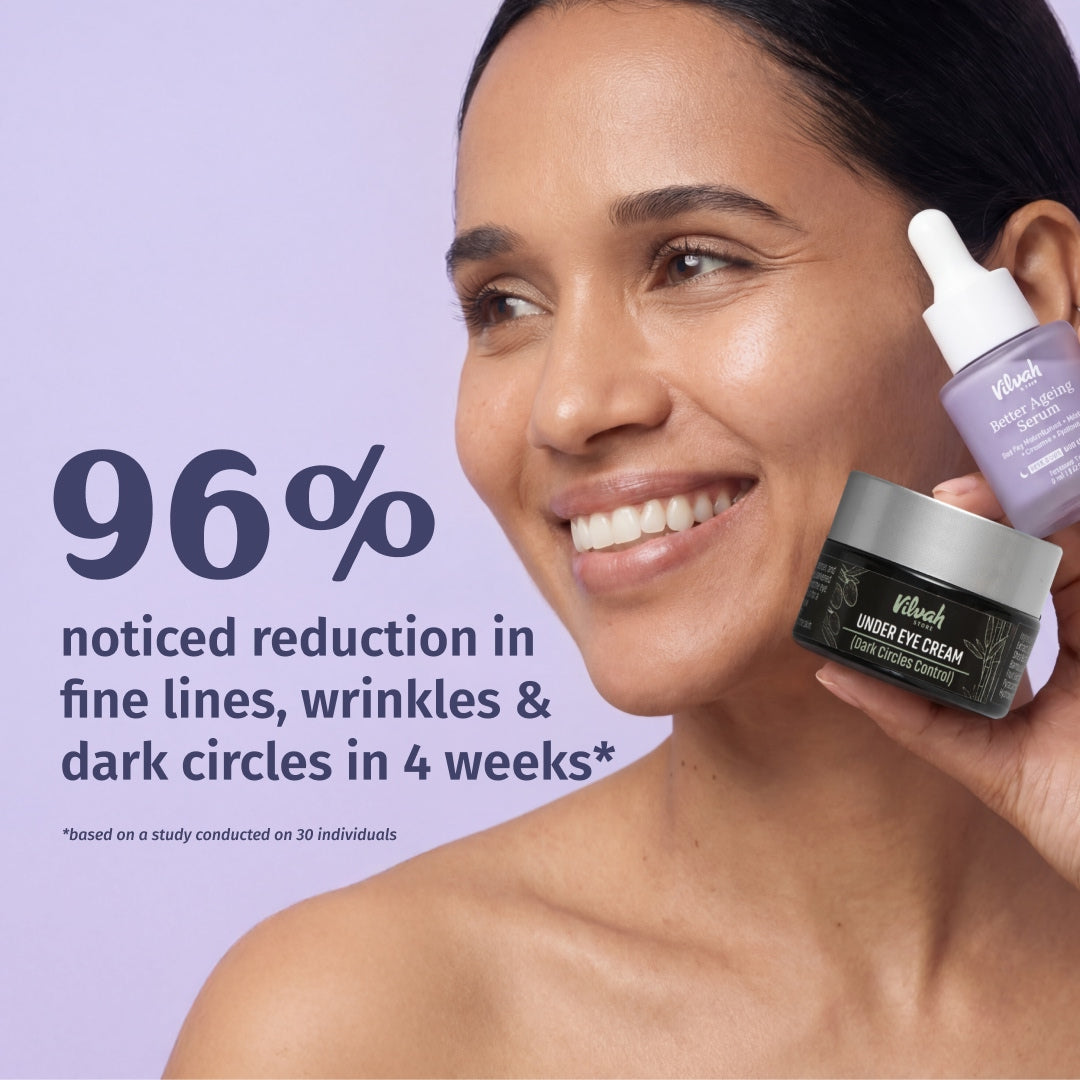
I have had very dark circles for years, especially because my eyes are big and my skin is fair. I tried many products before, but nothing worked for long. After finding Vivah Under Eye Cream on Instagram, I decided to give it a try. I didn't see results in the first week, but my dark circles gradually started to fade. I'm still using the cream and feel hopeful for even better results.
Sri
Chennai, Developer
★★★★★
5
★★★★★
Our Latest Blogs
Read All BlogsExplore simple tips and hacks to keep your skin hydrated.
Read All Blogs →
What Are Blemishes on Face? Causes, Remedies & Prevention
Noticing pesky dark spots, acne marks, redness, pigmentation, or uneven patches on your skin? Then you are likely dealing with a blemish. While blemishes are extremely common, they can impact confidence and make it hard to achieve clear, healthy-looking skin.
In fact, acne and post-inflammatory pigmentation remain among the most common skin concerns globally, affecting millions of people across age groups. Recent dermatology research indicates that acne affects approximately 9.4% of the global population, while adult acne and post-acne marks continue to rise, particularly among women.
The good news? Most blemishes on face can be prevented, treated, and reduced with the right skincare ingredients and consistent habits.
In this comprehensive guide, you'll learn:
What are blemishes on face
The most common reason of blemishes on face
Different types of blemishes
How to remove blemishes from face effectively
The best skincare routine for blemished skin
Expert-recommended products and ingredients
What Are Blemishes?
Blemishes on face refer to any visible skin imperfection that affects the skin's appearance. These can include:
Acne and pimples
Dark spots
Acne scars
Hyperpigmentation
Red marks after breakouts
Whiteheads and blackheads
Uneven skin tone
Most blemishes develop due to inflammation, excess oil production, clogged pores, sun damage, hormonal fluctuations, or skin irritation. But don’t worry, we are going to help you tackle these with ease!
Why Do Blemishes Matter In This Age And Day?
With increasing pollution levels, prolonged screen exposure, stress, and hormonal imbalances, more people are experiencing blemished skin than ever before.
Dermatologists also report a rise in adult acne and post-inflammatory hyperpigmentation, especially in individuals with medium to deeper skin tones. Early treatment can significantly reduce long-term pigmentation and scarring.
Also, clear skin is such a vibe - so why not learn about it and take steps towards it?
What Are Blemishes?
When certain nosy people ask, "hey is that a new blemish on your face?", they're probably referring to visible marks or discoloration that interrupt your otherwise even complexion.
A blemish may appear as:
Acne Lesions
Whiteheads
Blackheads
Papules
Pustules
Pigmentation Marks
Post-acne spots
Sun spots
Melasma
Hyperpigmentation
Textural Irregularities
Acne scars
Enlarged pores
Rough skin patches
Not all blemishes are active acne. Many are actually the aftermath of healed breakouts. Now let’s learn why these ex’es bother us so much!
What Causes These Blemishes?
Sadly, there isn't a single cause. The reason for blemishes often involves multiple factors working together.
1. Acne and Clogged Pores
Acne remains the leading cause of facial blemishes. When excess sebum mixes with dead skin cells, pores become blocked, creating an environment where breakouts can develop. Dermatologists identify clogged pores and inflammation as major contributors to acne-related blemishes.
2. Hormonal Changes
Hormonal fluctuations can trigger increased oil production. Blame it on those uncertain hormone levels next time you see a blemish popping.
Common triggers include:
Menstrual cycles
Pregnancy
PCOS
Menopause
Stress-related hormonal shifts
The American Academy of Dermatology notes that adult acne commonly persists into the 30s, 40s, and even 50s, particularly among women.
3. Sun Exposure
UV radiation stimulates melanin production, causing existing blemishes to become darker and more noticeable. Without daily sunscreen, even well-treated pigmentation can return.
Use a lightweight sunscreen that is non-comedogenic and is made with a healthy formulation including niacinamide, hyaluronic acid, or natural extracts that moisturize and reduce pigmentation.
4. Inflammation and Skin Picking
We know acne-girlies love nit-picking acne but picking pimples can damage surrounding skin tissue and significantly increase the risk of:
Dark spots
Acne scars
Persistent redness
5. Lifestyle Factors
Several lifestyle habits contribute to blemished skin:
Poor sleep quality
Chronic stress
High-glycemic diets
Smoking
Inconsistent skincare
Studies have also found associations between stress, family history, and acne severity. Night owls and overthinkers, here is a reason for you to kick back for the sake of your skin!
Types Of Blemishes
Understanding your blemish type helps determine the most effective treatment: Check out this simple table that you can refer to:
Type
Appearance
Common Cause
Acne
Red bumps, pustules
Clogged pores
Post-Acne Marks
Brown or red spots
Healed breakouts
Hyperpigmentation
Dark patches
UV damage or inflammation
Acne Scars
Depressions or raised areas
Severe acne
Sun Spots
Flat brown spots
Sun exposure
Whiteheads & Blackheads
Congested pores
Excess oil
How To Remove Blemishes Effectively
People are always asking and googling ‘how to remove blemishes from face’, but the answer depends on the type of blemish really. Here is a dermat-suggested routine that can help you clear blemishes and care for your skin in an effective way:
Step 1: Use a Gentle Face Wash for Blemishes
A targeted cleanser for blemishes helps remove excess oil, impurities, and sunscreen buildup without disrupting the skin barrier. And all that makeup needs to be gone by the end of the day too!
Look for ingredients such as:
Hyaluronic Acid
Herbal extracts
Niacinamide
Mild Surfactants
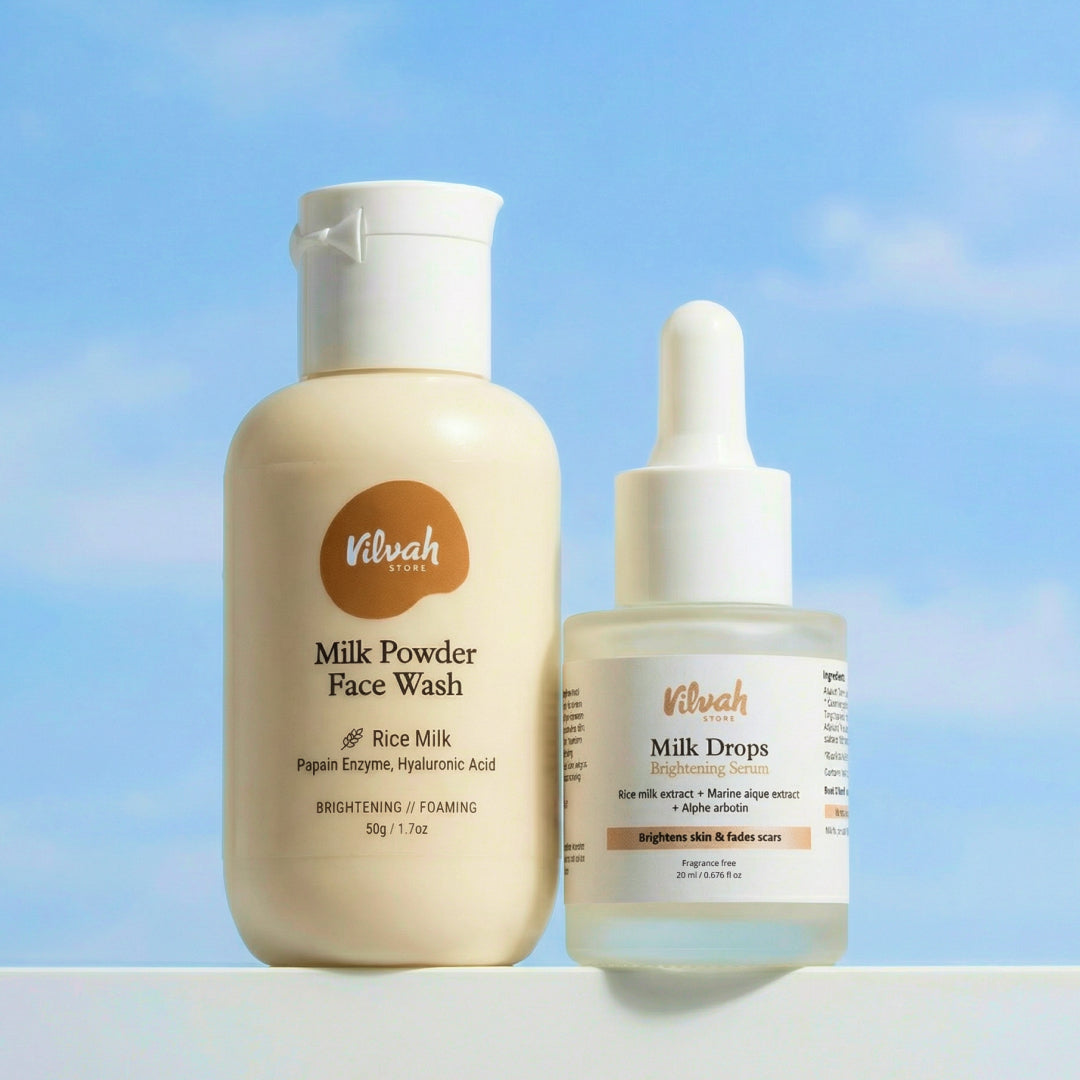
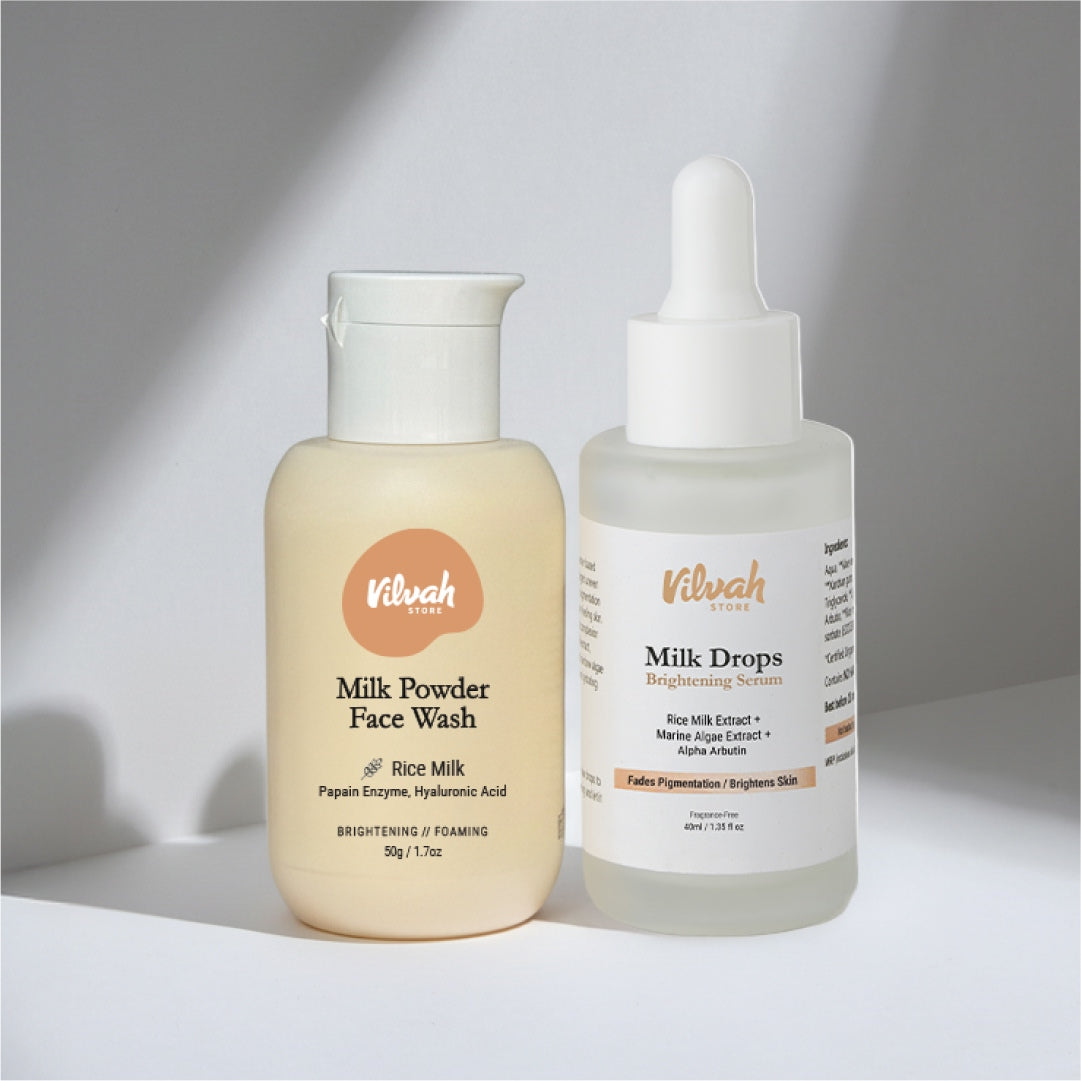
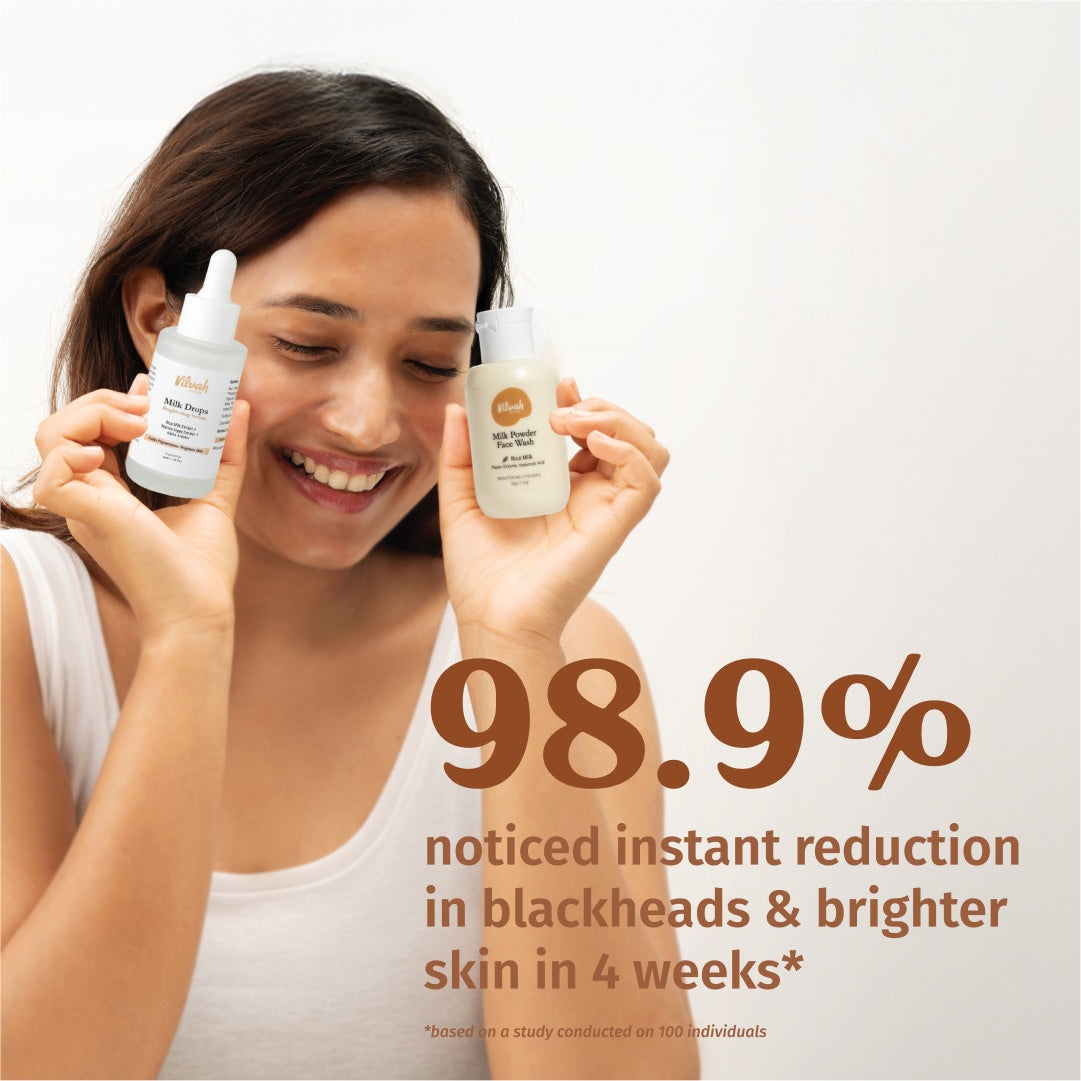
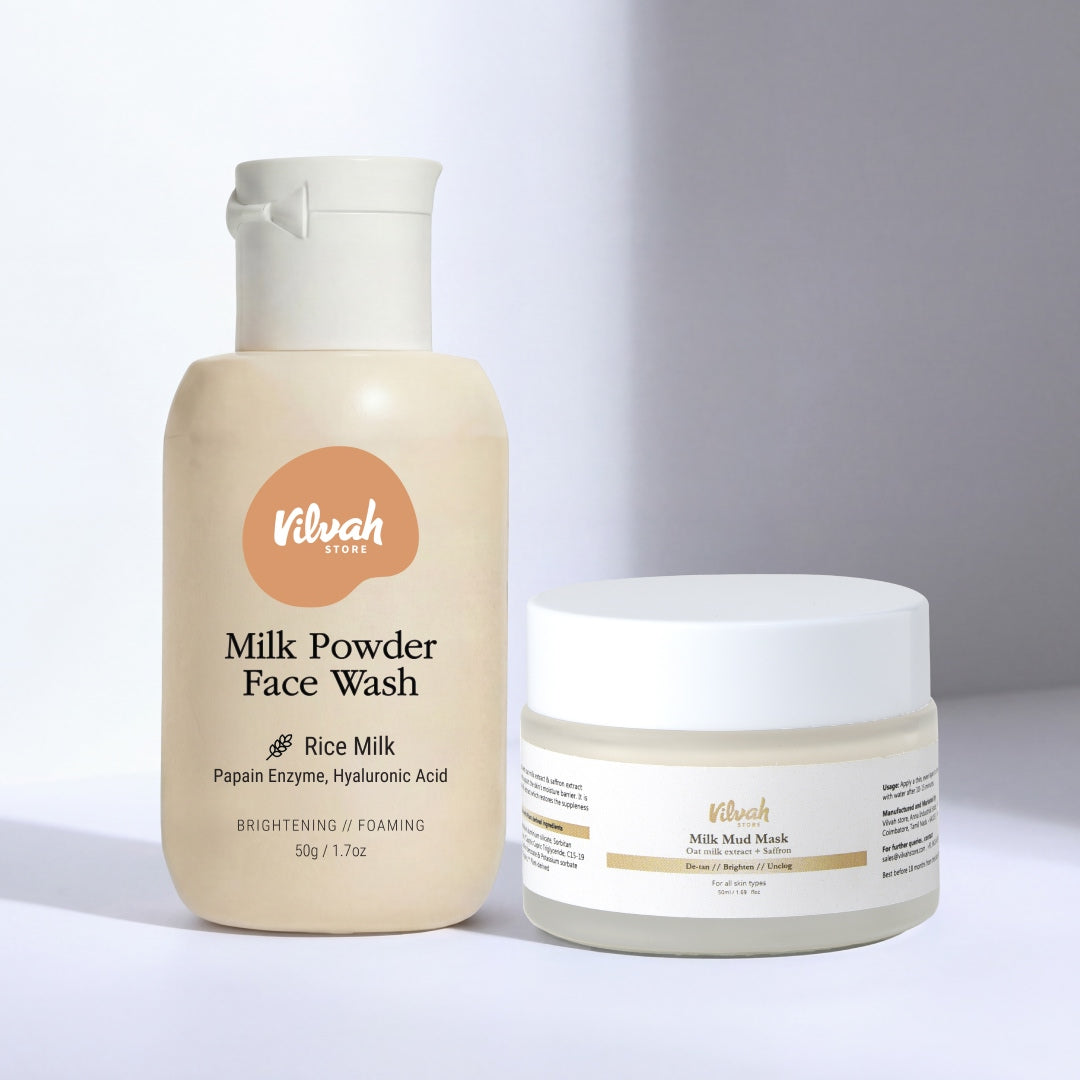
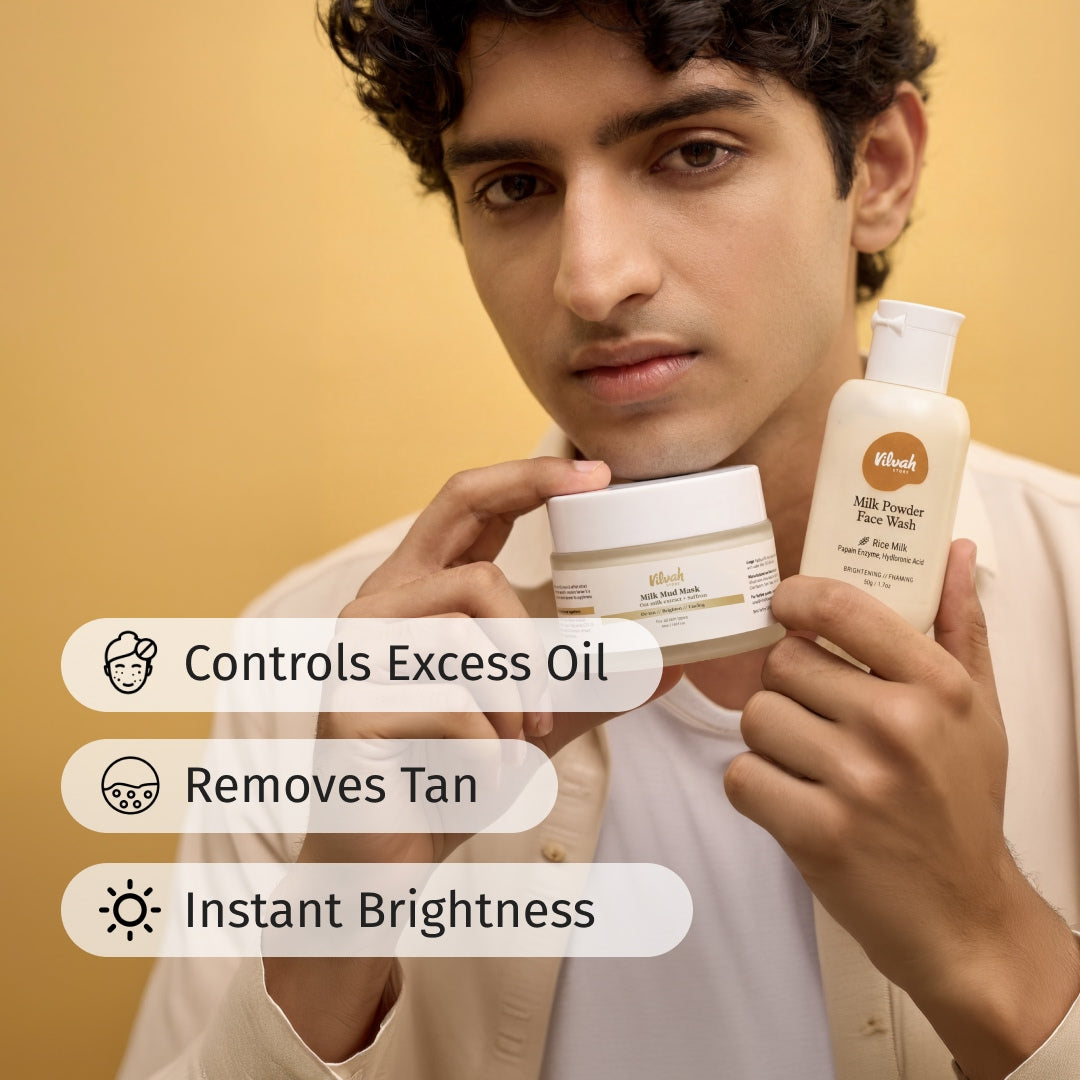
The Vivah Milk Powder Face Wash is one of the most recommended products on the internet for removing whiteheads, blackheads, blocked pores, and everything under the same, giving you clear, bright, and refreshed skin.
Step 2: Follow up with a Face Serum for Blemish Reduction
Choosing any of the best face serum for blemish is a non-negotiable for a clear skin routine. Make sure your serum targets pigmentation, inflammation, and skin repair simultaneously.
Recommended Ingredients:
Niacinamide
Helps reduce:
Redness
Excess oil
Uneven skin tone
Alpha Arbutin
Targets:
Dark spots
Hyperpigmentation
Post-acne marks
Vitamin C
Improves:
Brightness
Skin radiance
Pigmentation
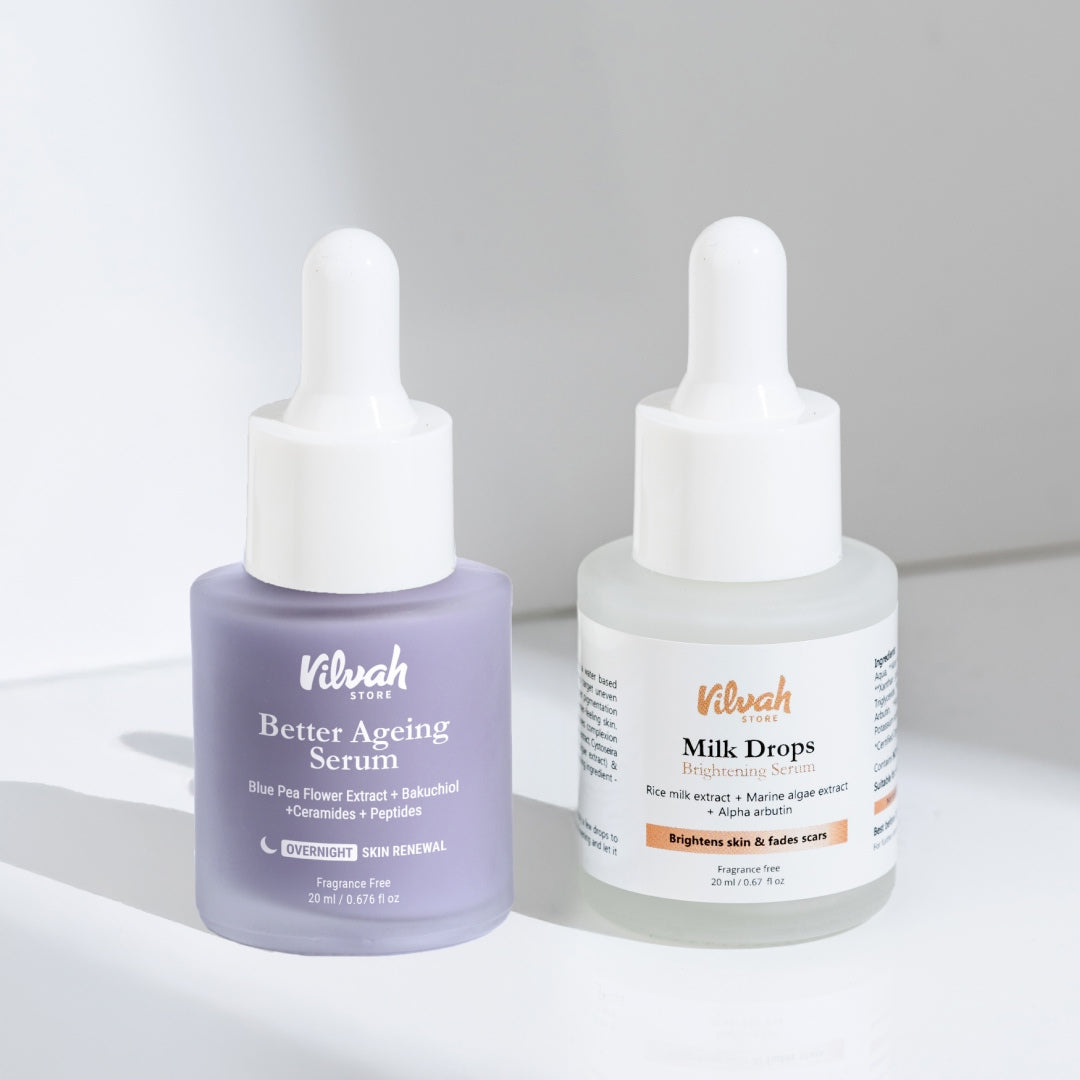
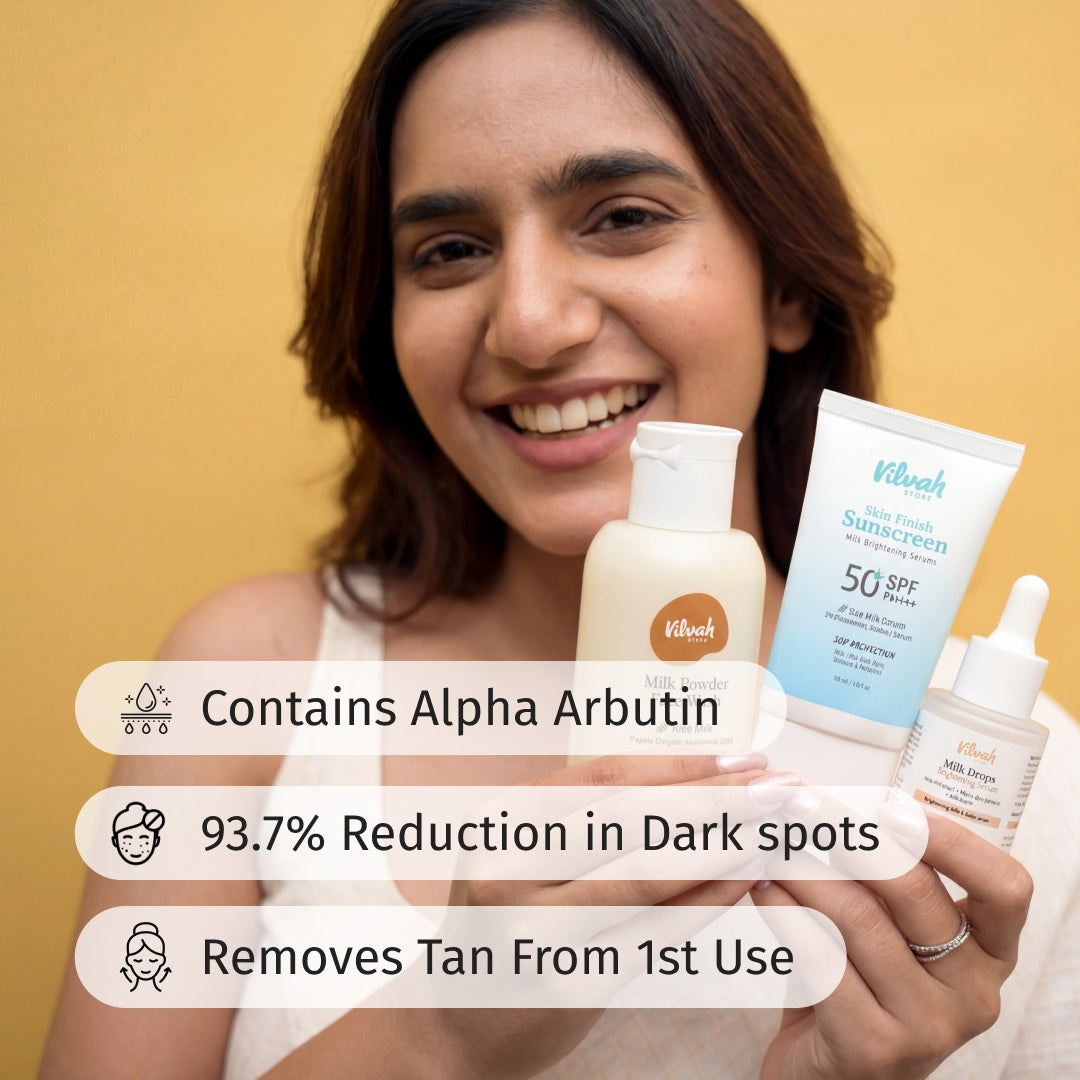
One of the best, most effective serum for acne is the Milk Drops brightening serum that contains alpha arbutin and rice extract to hydrate skin, balance skin tones, and reduce acne scars and pigmentation for clearer skin. What’s better is that it is vegan and hypoallergenic - making it perfect for teenage acne, pregnancy acne, or sensitive skin acne, reducing them and fixing pigmentation and scars left behind by them.
Step 3: Use a Lightweight, Acne Safe Cream
Choose an acne treatment cream, a lightweight gel cream, an acne-safe face cream, or a non-comedogenic day cream that supports the skin repair while reducing discoloration.
The best cream for blemishes on face often includes:
Ceramides
Niacinamide
Azelaic Acid
Peptides
Licorice Extract
These ingredients help restore barrier health while gradually improving skin clarity. A dual-function sunscreen can be an incredible way to avoid piling things on your face - choose a sunscreen that is moisturizing, balancing, and acne safe that also doubles up as your face moisturizer.
Step 4: Never Skip Sunscreen
A ‘Clean Girl’ routine does not stop with just a face cream. This is arguably the most important step to protect your skin and reduce the occurrence of acne and acne scarring as sunlight can trigger pigmentation and marks.
Without SPF protection:
Existing blemishes darken
Healing slows down
Pigmentation becomes harder to treat
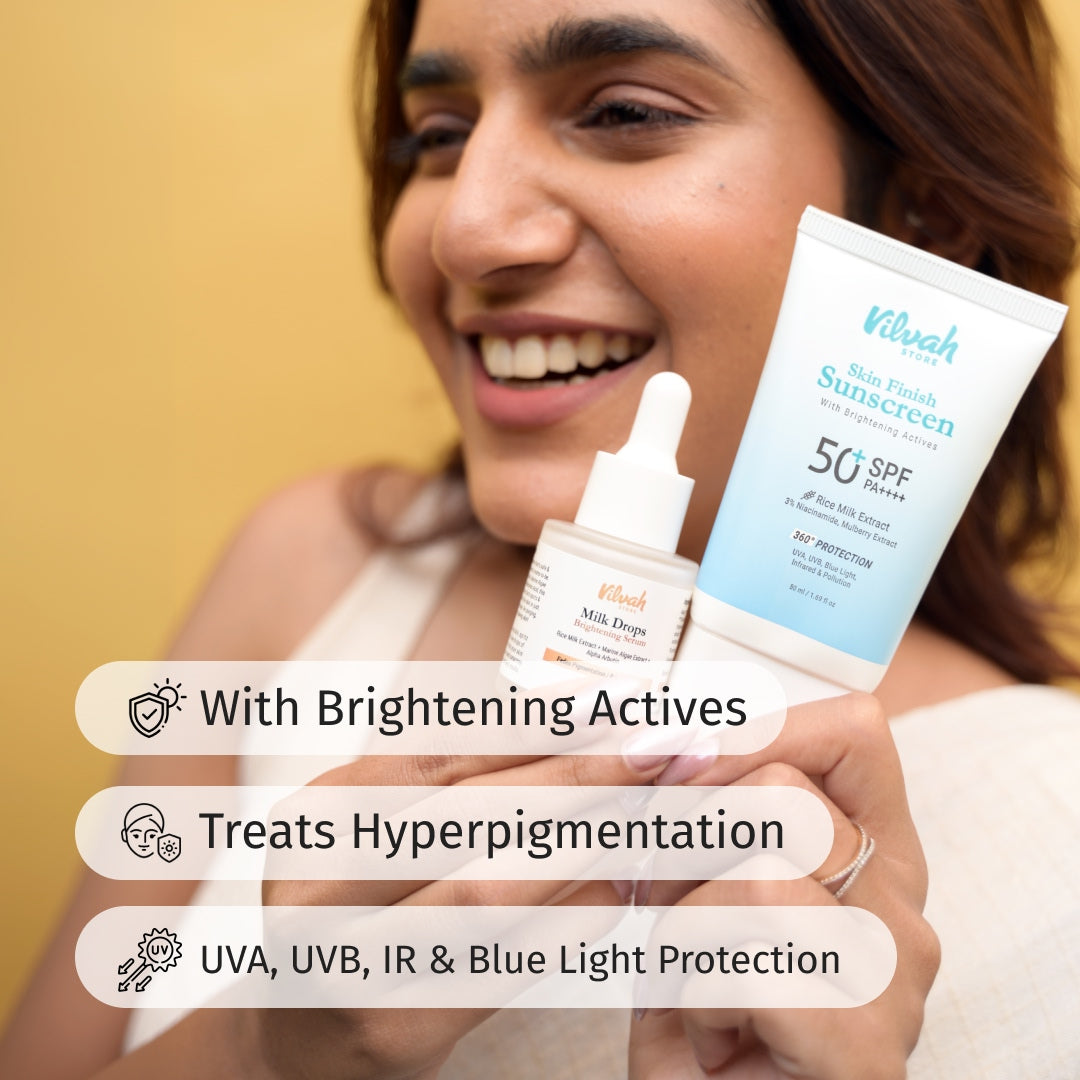
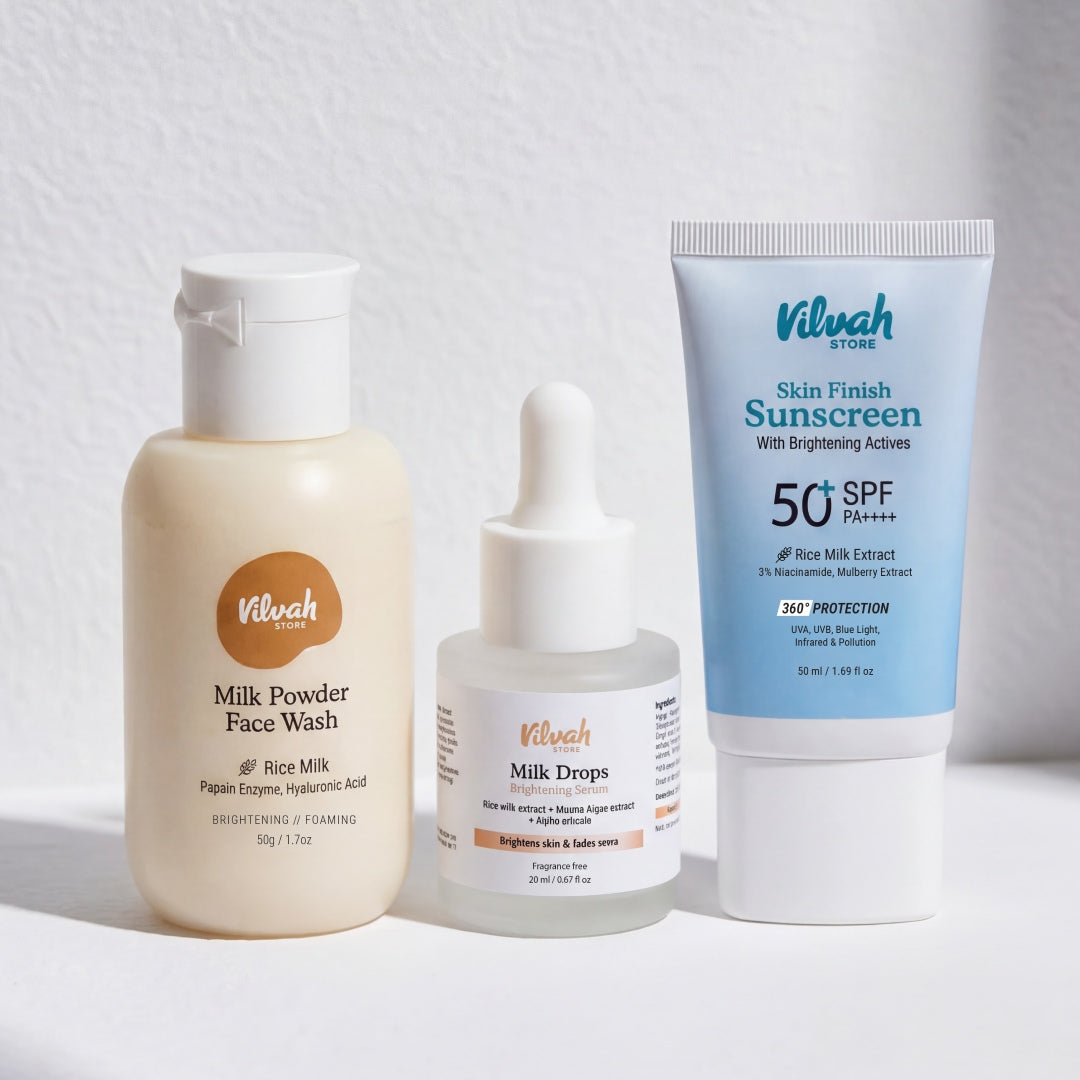
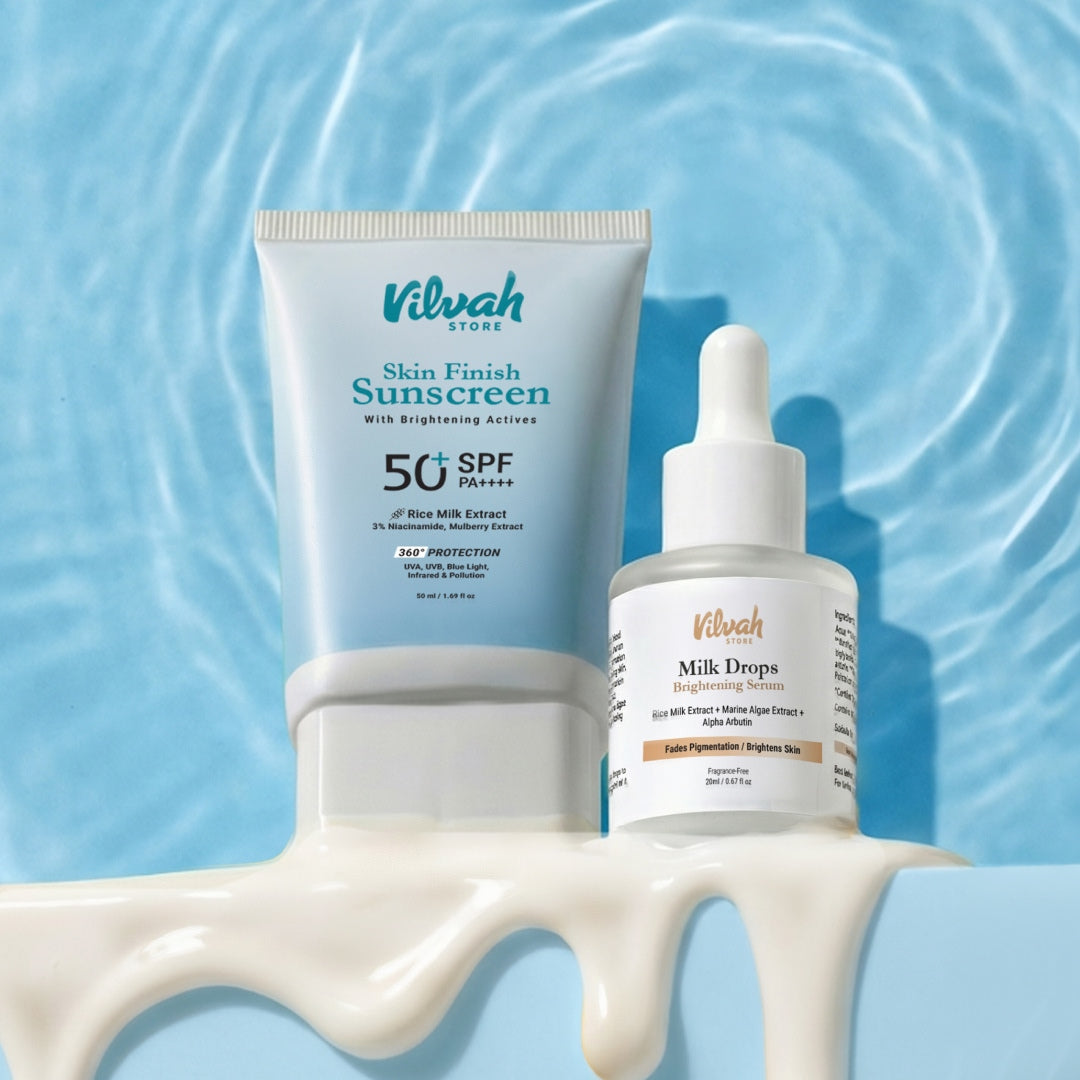
Dermatologists recommend broad-spectrum SPF 30 or higher daily. Vilvah’s Skin Finish Sunscreen has SPF 50+ with PA++++ rating that protects the skin from UVA and UVB rays while staying lightweight and non-greasy. It has a non-comedogenic formula that makes it perfect for acne-prone skin.
Step 5: Be Consistent
Most pigmentation and blemish treatments require:
6 - 8 weeks for visible improvement
3 - 6 months for significant reduction
We knew it before - We know it now! Nothing beats consistency. Consistency matters more than using multiple products at once.
Best Daily Skincare Routine for Blemished Skin
It is important to follow a distinct skincare routine for the morning and for the night. Your morning routine helps lighten marks, prevent scarring, and protect from sun damage. On the other hand, your evening routine should heal, hydrate, and restore your skin. Some miracles do happen overnight!
Morning Routine
1. Gentle Cleanser
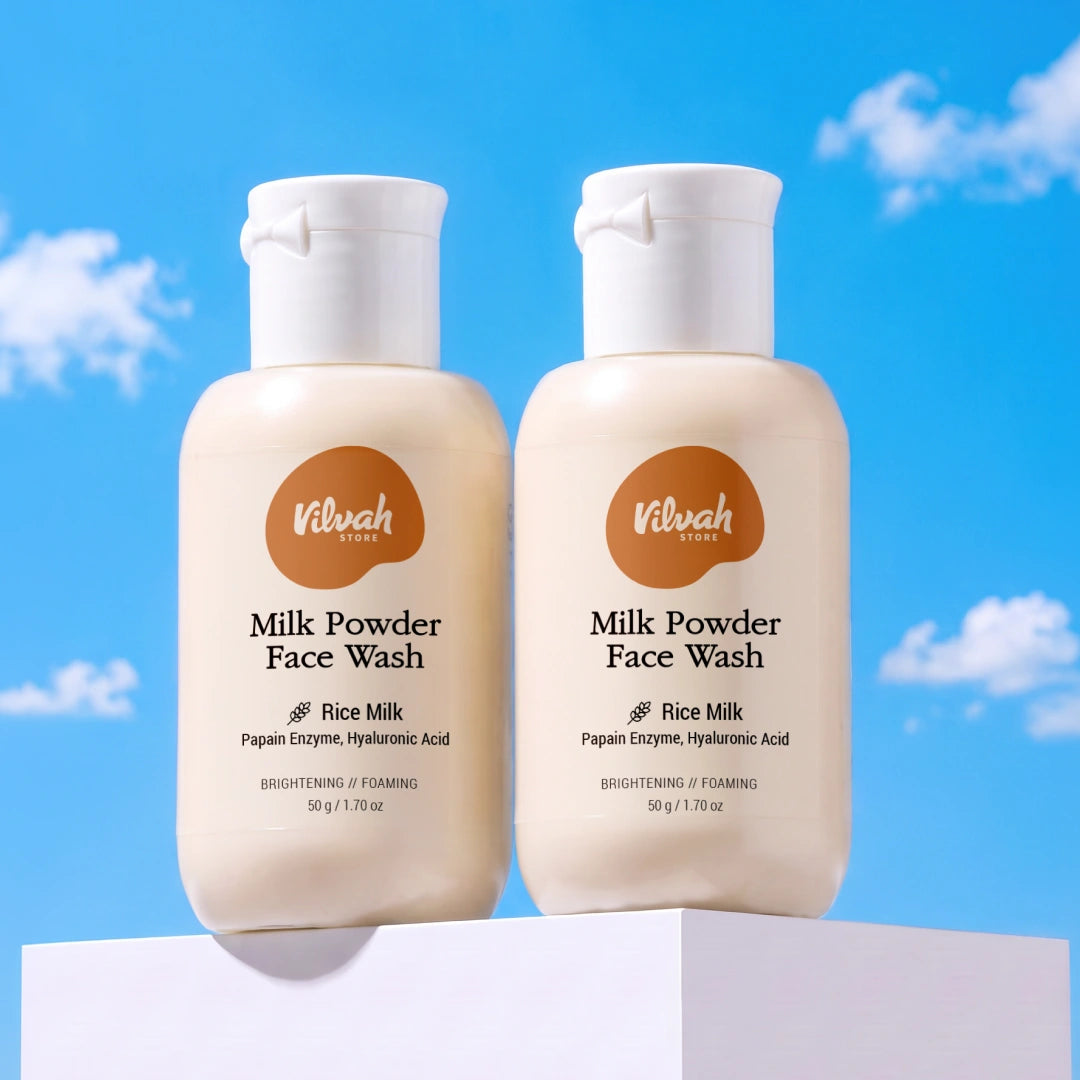
Choose a face wash for blemishes. Try the Vilvah Milk Powder face wash or similar products for a gentle, yet thorough cleanse.
2. Brightening Serum
Use the best face serum for blemish such as the Milk Drop Brightening serum to reduce acne scars and pigmentation on the skin.
3. Moisturizer
Maintain hydration and barrier function. Use a lightweight, non-sticky, non-comedogenic moisturizer that does not cause acne.
4. Sunscreen SPF 50
Protect against pigmentation worsening with a lightweight sunscreen such as the Vilvah Skin Finish Sunscreen with rice milk and mulberry extract.
Night Routine
1. Cleanser
A good cleanser, possibly a foaming cleanser that removes oil and dirt effectively to unclog pores and reduce the appearance of blackheads, whiteheads, and blemishes.
2. Targeted Treatment Serum
Look for targeted treatment such as:
Alpha Arbutin - For Pigmentation
Niacinamide - For hydration and oil-balance
Azelaic Acid - For overall brightness and marks reduction
3. Repair Cream
A deeply hydrating, balancing, and acne scar reducing night cream can work wonders for your skin overnight - giving you radiant skin every morning.
Ingredients Dermatologists Recommend For Blemishes
Even though there are a bunch of ingredients in the market, not all are suitable for oily skin. Here are some of the dermatologist approved and recommended ingredients that you need to include for your acne care routine.
Niacinamide - Reduces oil production and improves skin tone.
Salicylic Acid - Unclogs pores and minimizes breakouts.
Azelaic Acid - Targets acne and post-inflammatory pigmentation simultaneously.
Vitamin C - Brightens dull skin and protects against environmental damage.
Alpha Arbutin - One of the most effective ingredients for dark spots.
Ceramides - Support long-term skin barrier health.
Final Thoughts
Whether your concern is acne marks, pigmentation, or uneven skin tone, understanding what kind of blemishes you have and then choosing the right products to treat them is the first step toward healthier skin.
The most effective approach combines:
✔ A gentle face wash for blemishes ✔ The best face serum for blemish reduction ✔ The best cream for blemishes on face ✔ Daily sunscreen ✔ Consistent skincare habits
While there is no overnight cure, a science-backed routine can dramatically improve blemished skin over time. By identifying the underlying reason for recurring blemishes and treating them early, you can finally achieve that glass-skin-like glow that you have been dreaming about!
FAQs
1. Is a blemish a dark spot?
Not always. A blemish is any skin mark or imperfection, and while some may leave dark spots, not all blemishes are dark spots.
2. Do blemishes go away naturally?
Some blemishes fade over time, but pigmentation and acne scars often require targeted skincare and sun protection for faster improvement.
3. How long does it take to remove blemishes?
Most people begin noticing improvement within 6–12 weeks when using effective ingredients consistently.
4. Can sunscreen help reduce blemishes?
Indirectly, yes. Sunscreen prevents UV-induced darkening, allowing existing blemishes to fade more efficiently.
5. What causes recurring blemishes?
Recurring blemishes are often linked to:
Hormonal fluctuations
Inadequate cleansing
Excess oil production
Chronic inflammation
Lack of SPF protection
Read More →
How to Get Rid of Split Ends: Tips & Causes
Hair damage rarely happens overnight. It builds slowly. One day, your hair feels slightly rough at the ends, then it starts tangling more often, looking frizzy, and breaking easily while brushing. Before you realise it, those dry and damaged ends become impossible to ignore.
Split ends are one of the most common hair concerns, but most people approach them the wrong way. They either overload their hair with products or ignore the problem until the damage spreads further up the strands.
In this blog, you’ll understand what causes split ends, why they happen so easily, and practical ways to manage them without complicating your routine.
What Are Split Ends?
Split ends happen when the protective outer layer of your hair becomes weak and damaged. As the hair loses moisture and strength, the ends begin to split into multiple strands. This type of damage is extremely common, especially in longer hair, because the ends are the oldest and most exposed part of the strand.
Some common signs include:
Dry and rough hair ends
Frizz that doesn’t settle
Increased tangling
Hair breakage while combing
Dull-looking strands
Most people dealing with split ends hair notice that their hair starts looking unhealthy even if the roots feel fine. That’s because the damage usually begins at the ends and slowly moves upward if ignored.
What Causes Split Ends?
Split ends are usually a result of repeated stress on the hair. Daily habits matter more than most people think.
Heat Styling
Frequent use of:
Straighteners
Curling tools
Blow dryers
can weaken the hair cuticle and remove moisture from the strands.
Lack of Hydration
Dry hair breaks much faster. Without proper moisture, the ends become brittle and fragile.
Harsh Hair Products
Strong shampoos and products with harsh cleansers can strip away natural oils that protect your hair.
Sun Exposure
Most people protect their skin from the sun, but forget that hair also gets damaged by UV exposure. Heat and sun can leave hair dry, rough, and weak over time.
Overwashing
Washing your hair too often can remove the natural oils needed to keep the hair soft and protected.
Skipping Regular Trims
When split ends are ignored for too long, the damage travels further up the strand and causes more breakage.
How To Remove Split Ends?
The truth is, once the hair strand splits, it cannot permanently repair itself. The only way to completely remove split ends is by trimming them.
That said, the right hair care routine can still:
Improve texture
Reduce roughness
Prevent further splitting
Make hair look smoother and healthier
Regular trims every few months help stop the damage from spreading and keep the hair looking healthier overall.
How To Prevent Split Ends?
Preventing split ends is easier than fixing them later. The key is to keep your hair hydrated, protected, and free from unnecessary damage. A simple and consistent routine can make your hair look healthier and feel smoother over time.
1. Start With a Gentle Shampoo
Choosing the best shampoo for split ends is important because harsh shampoos can dry out your hair and weaken the strands.
Look for a shampoo that:
Cleans without stripping moisture
Keeps hair soft after washing
Supports overall hair health
If your hair feels rough immediately after washing, your shampoo is probably too harsh.
2. Use a Hair Mask Weekly
Dry hair becomes brittle faster, which is why hydration matters. Using a hair mask for split ends once or twice a week helps improve softness and reduce rough texture.
A good hair mask helps:
Restore moisture
Reduce frizz
Improve manageability
Keep ends softer and smoother
Focus mainly on the mid-lengths and ends while applying the mask.
3. Protect Hair With a Serum
Applying the best hair serum for split ends helps protect your hair from dryness, friction, and environmental stress.
Hair serums help by:
Smoothing rough ends
Controlling frizz
Adding shine
Reducing moisture loss
Serums also create a lightweight protective layer over the hair strands, which helps reduce breakage caused by daily wear and tear.
4. Trim your Hair Regularly
Regular trims help stop split ends from spreading further up the hair shaft. Even small trims every few months can make a noticeable difference.
Protect Your Hair Before Damage Starts
Split ends are usually a sign that your hair needs more protection and better care, not harsher products or complicated routines. If you’re looking for products that support smoother, healthier-looking hair, you can explore Vilvah's hair care range. From nourishing shampoos to everyday hair care essentials, the focus is on keeping your routine simple, effective, and gentle on your hair.
Your hair doesn’t need quick fixes. It needs consistent care. Visit Vilvah Store online or step into your nearest Vilvah store to experience the products firsthand and find what truly works for your hair.
FAQs
1. What are the different types of split ends?
Split ends can appear in different forms, including basic splits, tree-like splits, fork splits, and thin feathered ends. These are signs that your hair is dry or damaged and needs extra care.
2. Do split ends stop hair growth?
Split ends do not stop hair growth from the roots, but they can make hair break more easily, making it harder to maintain length. This often makes it feel like your hair is not growing.
3. Can split ends cause hair fall?
Split ends do not directly cause hair fall, but they can weaken the hair shaft and lead to breakage and thinning-looking hair. Healthy hair care can help reduce this damage.
4. Does cutting split ends make them worse?
No, cutting split ends does not make them worse. In fact, trimming damaged ends helps prevent the split from traveling further up the hair, keeping your hair healthier and smoother.
5. What Should You Do for Dry Hair and Split Ends?
Use a hydrating shampoo, deep conditioner, and nourishing hair oil regularly. Avoid heat styling and trim split ends occasionally to keep your hair soft, smooth, and healthy.
Read More →
Your Cracked Lip Corners Are A Warning Sign!
Cracked lip corners may seem like a small problem, but anyone who has experienced them knows how uncomfortable they can be. From painful smiling and eating to constant dryness and irritation, cracked corners of lips can affect your everyday comfort more than expected. Often caused by dryness, dehydration, lip licking, harsh weather, or nutritional deficiencies, these tiny cracks can become stubborn if not treated correctly. They may leave behind scars and pigmentation that often become permanent. Without the right treatment, they may develop pus and infection, forcing you into immediate care.
This blog helps you understand the real causes for cracked lip corners, how to heal them effectively, and the best ways to prevent them from returning. It also introduces nourishing lip care solutions that deeply moisturize and protect delicate lip skin naturally.
By the end of this blog, you will:
Causes for cracked lip corners
How to heal cracked lip corners (Remedies and prevention tips)
Discover ingredients to treat cracked lip corners
Know when to seek help for cracked lips
What Are Cracked Lip Corners?
Cracked lip corners refer to painful splits or irritation that develop at the edges of the mouth. These cracks may appear red, flaky, dry, or even swollen. In severe cases, they can bleed or sting while eating spicy or acidic foods.
The condition is commonly linked to excessive lip dryness, but sometimes it may also be related to a condition called angular cheilitis, where moisture, bacteria, or fungal growth irritates the corners of the lips.
Common Symptoms of Cracked Lip Corners
Some common symptoms for cracks on mouth corners are associated with the following:
Dryness and peeling
Redness around lip edges
Pain while smiling or talking
Burning sensation
Small cuts or splits at mouth corners
What Causes Cracked Lip Corners?
Those tiny splits at your lip corners can hurt more than you expect. Understanding the causes is the first step to lasting relief.
Dehydration and Dry Weather
One of the most common causes of cracks at the corners of the mouth is lack of moisture. Cold weather, air conditioning, excessive sun exposure, and dehydration can strip lips of their natural oils.
Constant Lip Licking
Many people unknowingly lick their lips when they feel dry. While saliva may feel temporarily soothing, it actually worsens dryness and irritation over time, causing cracks at side of mouth.
Nutritional Deficiencies
Deficiencies in iron, vitamin B, or zinc may contribute to recurring cracked corners of lips. Cracked lip corners in pregnancy are becoming increasingly common and also among those with poor dietary habits.
Harsh Lip Products
Some lip products contain artificial fragrances, alcohols, or irritating ingredients that can worsen sensitivity and dryness around the lips. Using poor quality lip balms or lipsticks with harsh chemicals can result in sores at corner of mouth, progressing to infections when not treated.
This is why choosing deeply nourishing, gentle lip balms with skin-loving ingredients becomes essential for maintaining soft and healthy lips, like Vilvah’s Grapefruit and Lemon lip balm which are made with natural, vegan ingredients to protect your lips.
How to Heal Cracked Lip Corners Naturally
What if the solution to your cracked lip corners is already with you? These natural tips can save your smile.
Keep Lips Constantly Moisturized
Healing starts with restoring moisture. A rich, hydrating lip balm like the Vilvah Milk Lip Balm helps create a protective barrier that prevents further cracking.
Avoid Picking or Peeling Dry Skin
Peeling dry lips may worsen cracks and delay healing. Instead, allow nourishing lip care products to naturally repair the skin barrier.
Drink More Water
Hydration plays a major role in lip health. Drinking enough water helps prevent lips from becoming dry and irritated, helping you get back healthy lips with a pink glow.
Use Gentle Lip Care Products
Avoid lip products with harsh chemicals or strong artificial fragrances. Instead, choose formulas rich in butters and oils that support long-term nourishment. All of Vilvah’s lip balms are made using natural, organic butters and oils for safe use even during pregnancy and nursing.
Best Ingredients for Dry and Cracked Lips
It is important to choose the right products for your lip as all of us tend to ingest them subconsciously while eating, talking, or drinking. Choosing natural formulations prevents ingesting chemicals such as parabens, fragrance, and silicones that are mostly found in all ordinary lip balms, which can cause health hazards in the long run.
Shea Butter and Cocoa Butter
Shea butter and cocoa butter help deeply condition lips while reducing dryness and flakiness. The Vilvah Grapefruit lip balm is made with natural shea butter to hydrate the lips intensely.
Natural Oils
Oils like almond oil, coconut oil, and jojoba oil help lock in moisture and improve softness. The Vilvah Mango Milkshake and Creambun lip balms are made with original olive squalene to heal chapped lips.
Fruit-Based Nourishing Ingredients
Natural fruit extract such as mango butter, mowrah butter, grapefruit extracts, and lemon extracts help hydrate, nourish, and protect the lips from dryness and damage. The Vilvah lip range focuses on natural ingredients such as fruit and flower extract to deliver complete lip nourishment.
Why Lip Balms Matter for Preventing Cracked Lip Corners
Not all lip balms are created equal. Some protect, while others barely help. Discover why the right balm can be your best defense against painful, cracked lip corners.
Protection Against Moisture Loss
Lips lack oil glands, which means they dry out faster than the rest of the skin. A good lip balm for cracked lip corners creates a barrier against environmental stressors and helps tackling chapped lips.
Daily Lip Care Prevents Future Damage
Consistent use of lip balm for dry cracked lip corners can prevent recurring cracks, especially during colder months or long hours in air-conditioned environments.
Choosing the Right Texture and Formula
Some people prefer lightweight hydration, while others enjoy richer, comforting textures. Based on how you like your lip treatment, you can either choose a lip butter or a lip balm, and maybe even enjoy a good tinted lip balm for that extra dose of attention.
Lip Care Routine for Soft and Healthy Lips
Want lips that feel soft and look flawless? A few mindful steps in your daily routine can make all the difference.
Morning Protection
Apply a nourishing lip balm before stepping outdoors to protect lips from dryness and pollution. An SPF-infused lip balm such as the Vilvah Milk Lip Balm with SPF 30 PA++ not only hydrates but also protects your delicate lips from sun stress.
Night Repair Routine
Using a richer lip balm overnight allows lips to repair and recover while you sleep.
Gentle Weekly Exfoliation
A mild lip scrub once a week helps remove flaky skin without damaging delicate lips. Try the Vilvah Lip Scrub with shea butter, lemon and avocado oil to gently exfoliate, revealing brighter, softer lips.
When Should You See a Doctor?
Not all lip cracks are harmless. Learn the warning signs that mean it’s time to seek professional help before small cracks turn into painful problems.
Persistent or Severe Cracks
If cracked lip corners do not improve after consistent moisturizing or become painful and inflamed, medical consultation may be necessary.
Signs of Infection
Swelling, pus, or severe redness may indicate fungal or bacterial infection requiring treatment.
Conclusion
Cracked lip corners may be common, but they should never be ignored. From dehydration and harsh weather to poor lip care habits, several factors can trigger dryness and irritation around the lips. Fortunately, with the right care routine and nourishing ingredients, soft and healthy lips are absolutely achievable.
Daily hydration, avoiding harsh products, and using deeply moisturizing lip balms can make a significant difference in preventing and healing cracked corners of lips. Choosing comforting, ingredient-rich formulas also turns lip care into a pleasant self-care ritual rather than just another routine step.
For anyone looking to restore softness and keep dryness away, indulgent options from the Vilvah Lip range offer both nourishment and a delicious sensory experience, helping lips feel hydrated, smooth, and cared for every day. Plus, being a vegan and organic lip care range, Vilvah lip balms are perfectly safe even if they accidentally (or intentionally) make it to your taste buds.
FAQs
1. What causes the corner of your lip to split?
Cracks at the corners of your lips usually happen due to dryness, harsh weather, or frequent lip licking. Sometimes, a lack of vitamins like B or iron can make them worse.
2. Who gets cracks on lip corners?
Anyone can get them, but they are more common in people with dry lips, sensitive skin, or poor nutrition. Pregnant women and frequent lip lickers are often affected too.
3. How long do cracks in mouth corners last?
Mild cracks can heal in a few days with proper care, like moisturizing and avoiding irritants. Severe or infected mouth corner cracks may take a couple of weeks to fully recover.
4. What are the risk factors for mouth corner cracks?
Dry weather, dehydration, constant lip licking, harsh lip products, and poor diet can all increase the risk. People with weakened immunity or infections are more prone too.
5. Are mouth sores always the result of angular cheilitis?
Not always. Mouth sores can appear due to dryness, irritation, infections, or nutritional deficiencies - not just angular cheilitis.
Read More →
Hair Breakage: What Causes It & How to Prevent
Hair fall gets all the attention. But hair breakage? That’s the real problem many people ignore.
You oil your hair, follow a dedicated hair care routine, and still end up with rough ends, frizz, and shorter-looking hair. Why? Because your hair may not actually be falling out at the roots, it could be breaking in the middle or at the ends. And once breakage starts, your hair becomes weaker, thinner, and harder to manage.
In this blog, you’ll clearly understand what hair breakage is, the common reasons for hair breakage, and how to prevent it.
What Is Hair Breakage?
Hair breakage happens when the hair shaft becomes weak and snaps before it completes its natural growth cycle. Unlike hair fall, where hair falls from the root, breakage happens along the length of the hair.
Signs of hair breakage include:
Split ends
Frizzy texture
Short broken strands
Hair that feels rough and weak
Difficulty growing longer hair
Many people confuse breakage with hair fall, but they are completely different problems.
What Causes Hair Breakage?
At its core, hair breakage happens when the protective outer layer of the hair gets damaged.
Healthy hair contains moisture, proteins, and natural oils that keep it strong. But when the hair repeatedly loses moisture or faces physical stress, it becomes weak and snaps easily.
5 Major Reasons For Hair Breakage
Hair doesn’t become weak overnight. Breakage is usually the result of repeated stress and damage over time.
Here are some of the most common reasons:
1. Excessive Heat Styling
Frequent use of:
Straighteners
Curling tools
Blow dryers
removes moisture from the hair and weakens the strands.
2. Over-Washing
Washing your hair too often strips away natural oils, leaving the hair dry and brittle.
3. Tight Hairstyles
Constant tight ponytails, buns, or braids pull on the hair and increase stress on the strands.
4. Chemical Treatments
Hair colouring, bleaching, rebonding, and smoothening weaken the hair structure over time.
5. Lack Of Moisture
Dry hair breaks faster. Hair needs moisture and nourishment to stay flexible and strong.
How To Stop Hair Breakage?
Stopping hair breakage starts with reducing damage, not adding more products.
Here’s what actually helps:
1. Reduce Heat Usage
Try limiting heat styling tools as much as possible. If you use them:
Apply a hair serum which acts as a good heat protectant
Use lower temperatures
2. Handle Wet Hair Gently
Wet hair is weaker and more prone to breakage.
Avoid aggressive towel drying
Use a wide-tooth comb
3. Trim Split Ends Regularly
Split ends can travel upward and cause more damage over time. Regular trims help keep the hair healthier and stronger.
4. Avoid Tight Hairstyles
Tight ponytails and buns put constant stress on the hair strands and roots. Looser hairstyles help reduce tension and breakage.
5. Keep Your Hair Hydrated
Dry hair breaks more easily. Regular oiling, conditioning, proper hydration, and a balanced diet help keep the hair soft and healthy.
Hair Products That Help With Breakage
Not every product helps damaged hair. Some simply coat the hair temporarily without solving the actual issue.
Useful hair products for hair breakage usually focus on:
Hydration
Strengthening
Frizz control
Moisture retention
A simple routine with the right products works better than layering too many treatments.
Focus on:
Hair oil
Mild shampoo
Nourishing hair mask
Lightweight anti-frizz hair serum
Choosing The Best Hair Oil For Breakage
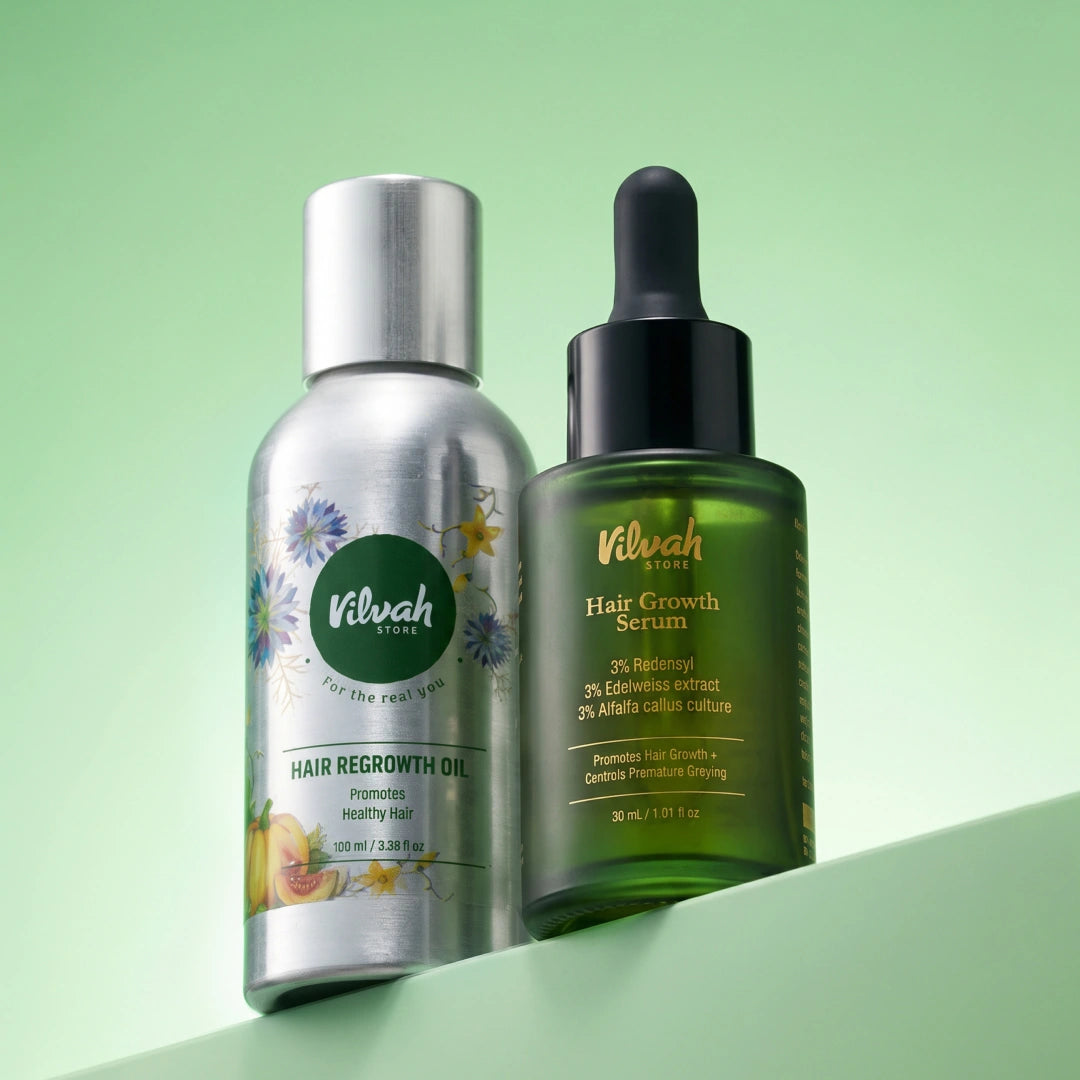
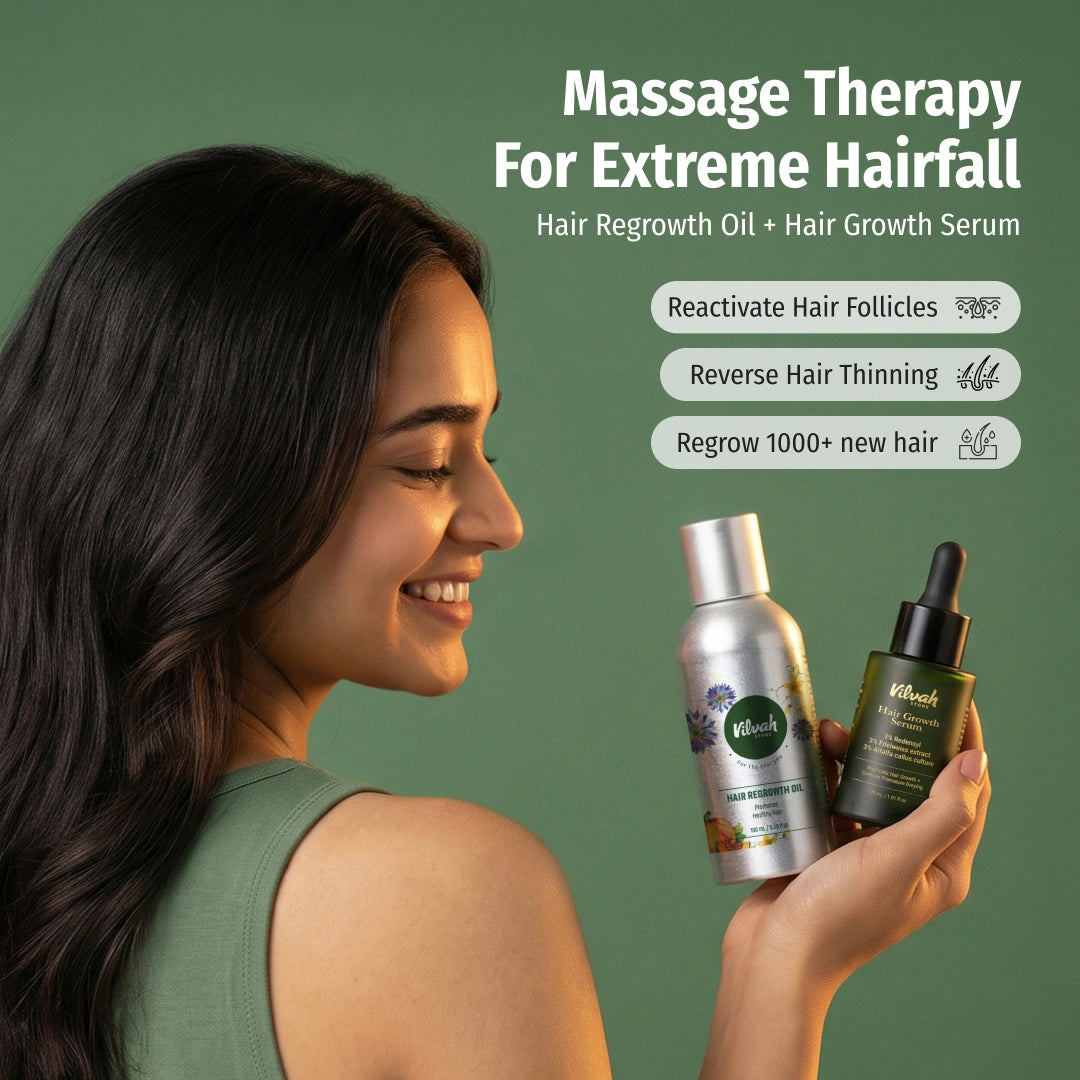
A nourishing option like Vilvah’s Hair Regrowth Oil helps support weak and breakage-prone hair by:
Deeply nourishing the scalp and hair
Helping reduce dryness and frizz
Supporting stronger and healthier-looking strands
Improving overall hair texture with regular use
Regular oiling also helps protect the hair from environmental stress and dryness.
Choosing The Right Shampoo For Hair Breakage
Your shampoo plays a major role in hair health. Harsh shampoos remove natural oils and leave hair dry, rough, and weak. That’s why choosing a gentle shampoo for hair breakage matters.
Look for shampoos that:
Clean without over-drying
Support moisture balance
Contain nourishing ingredients
Protein-rich formulas can help strengthen weak strands and improve overall hair texture over time.
Aloe Vera For Hair Breakage
Aloe vera is popular for a reason: it helps soothe, hydrate, and soften the hair.
Benefits of aloe vera for damaged hair include:
Helps reduce dryness
Adds moisture to rough strands
Calms the scalp
Improves manageability
Dry hair breaks more easily, so keeping it hydrated is important. Aloe vera supports that without making the hair feel heavy.
Healthy Hair Starts With Simple Care
Hair breakage doesn’t happen instantly. It builds slowly through stress, dryness, heat, and poor hair care habits. The good news is that with the right products and consistent care, you can strengthen your hair and reduce breakage over time.
At Vilvah Store, every hair care product is created to support stronger, healthier, and more manageable hair with ingredients that focus on nourishment and long-term care. Because healthy hair doesn’t come from shortcuts, it comes from consistency.
Visit Vilvah Store online or step into your nearest store to experience the products firsthand and find what works best for your hair.
FAQs
1. Is hair breakage normal?
Yes, hair breakage is normal to some extent, especially due to styling, brushing, or environmental stress. Occasional breakage is natural, but excessive breakage signals that your hair needs care and nourishment.
2. How can you control hair breakage?
You can control hair breakage by using a gentle shampoo, deep conditioning, and avoiding harsh heat or chemical treatments. Trimming split ends regularly and using a wide-tooth comb can also protect your hair.
3. What are the symptoms of hair breakage?
Hair breakage shows as short, uneven strands, split ends, and hair that snaps easily when brushed. The hair may feel dry, rough, or brittle to touch.
4. Can hair breakage grow back?
Yes, hair breakage can grow back with proper care. Healthy hair routines, good nutrition, and gentle handling help new, strong hair grow in place of the broken strands.
5. Is hair breakage permanent?
No, hair breakage is not permanent. While broken strands cannot repair themselves, new hair can grow healthy if you adopt proper hair care and avoid damaging practices.
Read More →
Alpha Arbutin: Benefits, Uses & Skin Brightening Tips
Alpha Arbutin, you've heard this super ingredient trend everywhere. Dermatologists on the internet have spoken about it, your favourite influencers recommend it, and it's one of the most discussed skin brighteners on the internet right now.
If we look back in skincare industry history, Hydroquinone was once upon a time, ironically, the gold standard for skin brightening. But Hydroquinone is problematic: irritation, redness, peeling, ochronosis, rebound pigmentation, inflammation, increased sensitivity, and in rare severe cases, even skin necrosis. Skin necrosis is not worth it. Yet Hydroquinone is still used by well-acclaimed brands because Hydroquinone can penetrate deeply and give drastic results. Thankfully, the internet has learned its lesion {pun intended}, with countless individuals coming out to share their experiences with Hydroquinone, and it's not looking pretty.
Hyperpigmentation is a common problem in the Brown Community. Our skin is blessed with rich melanin, but these melanocytes sometimes act like uncontrollable little children and produce excess melanin from the slightest sunburn or hormonal changes. Not just that, getting infected, cold flu, inflammation, acne, and immune responses are also reasons why we suffer from hyperpigmentation, skin breakouts, and persistent dark spots.
The world needed a hero all of us could count on: Tadaaa: Enter Alpha Arbutin.
How Alpha Arbutin Works
Before that, why does our skin have melanin in the first place? It's a protection mechanism by Mother Nature. When UV rays hit our skin, our skin produces melanin to absorb and scatter away the harmful UV rays from entering deeper sensitive organs. So having melanin is a good thing! And what about Caucasian skin? Okay, Caucasian skin still has melanin, it's just not as expressed as it is in Brown skin.
Alpha Arbutin is basically a tyrosinase inhibitor. Melanin is basically produced from tyrosine, an amino acid in the body.
So:
tyrosine = raw ingredient
tyrosinase = the enzyme that processes it
melanin = the final pigment produced
Less tyrosinase activity = less excess melanin formation.
Hydroquinone: aggressively stops pigment production for fast results, but can damage and irritate skin with long-term misuse.
Alpha Arbutin: gently slows down the skin's pigment-making enzyme (tyrosinase) to reduce dark spots over time.
Vitamin C: fights oxidation and helps brighten existing pigmentation while protecting skin from sun damage.
Uses and Benefits of Alpha Arbutin
Alpha Arbutin works by competitively inhibiting tyrosinase. Meaning: it basically captures the enzyme and slows down its ability to convert tyrosine into melanin.
This makes Alpha Arbutin an excellent choice for long-term skin brightening.
The way Alpha Arbutin targets excess melanin production gently is hands down one of the gentlest approaches, especially when you compare it to Hydroquinone, kojic acid, or chemical peels. Hydroquinone is an aggressor.
A lot of aggressive brightening ingredients create a paradox:
irritation → inflammation → more pigmentation
Especially in melanin-rich skin tones.
Alpha Arbutin became beloved because it tries to interrupt pigmentation without putting the skin into survival mode. Alpha Arbutin is the knight in shining armour, at least according to current scientific data and popular expert opinion.
In a world obsessed with overnight transformations, Alpha Arbutin feels refreshing. No drama, no damage, no forcing your skin into panic mode for temporary results. Just a smarter, calmer approach to brightening. Because real skincare is not about punishing your skin into perfection, it's about supporting it gently and consistently. That's what makes Alpha Arbutin special. It respects your skin while helping it heal.
It helps fade acne marks, pigmentation, and sun spots with less risk of redness, peeling, rebound pigmentation, and sensitivity compared to stronger brightening serums.
You know what's great about Alpha Arbutin? The chances of getting rebound pigmentation are way less. Meaning, you get to keep your results!
Pro tip: Don't forget sunscreen. Apply at least SPF 50 broad-spectrum sunscreen to maintain your results.
Alpha Arbutin is generally safe for all skin types, including sensitive skin.
How can we not talk about our in-house hero: Milk Drops Brightening Serum, formulated with the No.1 plant based brightening active Alpha Arbutin, viral for the right reasons, rated and reviewed by more than 50,000 customers. We created an alternative to everything else in the market. Milk Drops is skin-barrier-friendly, effective, and formulated with Alpha Arbutin and Rice Milk.
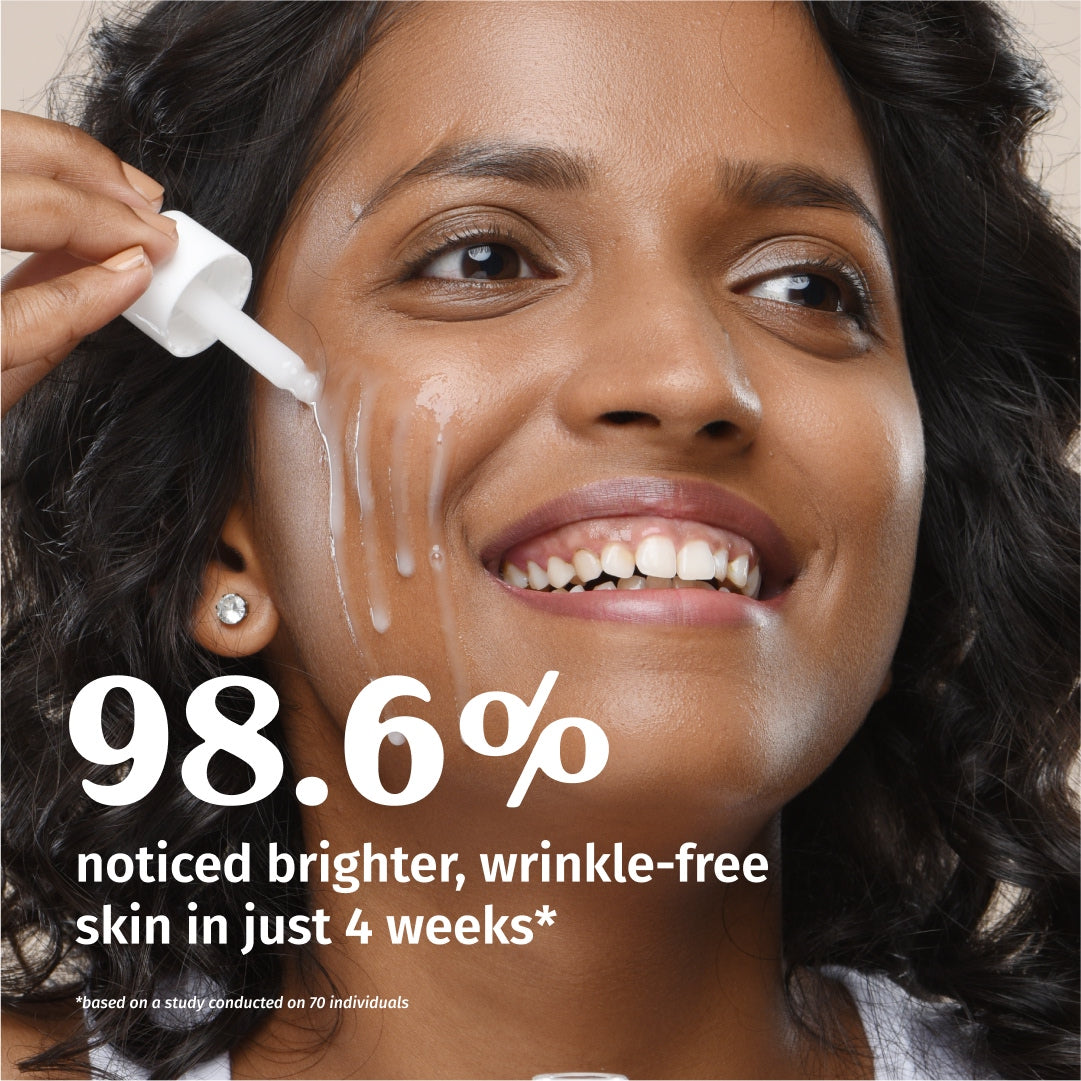
The results speak for themselves. It usually takes at least 4 weeks, but if you are suffering from tough PIH and hyperpigmentation, our in-house R&D team is proud to present this side-effect-free skin brightener for naturally glowing skin. Shop the latest from Vilvah , or visit our store to explore the full collection.
FAQs
1. What are the benefits of using an alpha arbutin serum?
Alpha arbutin serum helps reduce dark spots, even out skin tone and brighten dull skin. It’s gentle, safe for most skin types and can give your skin a naturally radiant glow over time with regular use.
2. Can alpha arbutin be used with niacinamide?
Yes! Alpha arbutin and niacinamide work well together. Niacinamide boosts skin barrier and soothes irritation, while alpha arbutin targets pigmentation. Together, they improve skin tone and texture effectively.
3. Is alpha arbutin safe to use during pregnancy?
Alpha arbutin is generally considered safe during pregnancy in low concentrations, but it’s always best to consult your doctor before adding any active ingredient to your skincare routine.
4. What does alpha arbutin do to your skin?
Alpha arbutin inhibits melanin production, which helps reduce dark spots, sun spots, and uneven pigmentation. Over time, it makes your skin look brighter, clearer and more even-toned.
5. Does alpha arbutin lighten skin?
Yes, alpha arbutin brightens and evens skin tone, but it does not drastically change your natural skin color. It targets pigmentation, giving a clearer and more radiant complexion naturally.
Read More →
Which Soap Is Best for Skin
Walk into any store, and you’ll find shelves full of soaps claiming to give you glowing, brighter, and flawless skin. But here’s the reality: most people choose a soap based on fragrance, packaging, or trends, not on what their skin actually needs. And that’s exactly why many end up dealing with dryness, breakouts, or dull skin.
In this blog, you’ll understand which soap is best for skin, how to choose the right one based on your concerns, and what actually works when it comes to skin health.
What Makes Soap Good For Your Skin?
A good soap doesn’t leave your skin feeling tight or dry. If it does, it’s already doing damage. Your skin has a natural barrier that protects it from dryness and irritation. Harsh soaps strip this barrier, leading to sensitivity, oil imbalance, and long-term issues.
A skin-friendly soap should:
Clean effectively without over-drying
Maintain your skin’s natural balance
Support hydration
Be gentle enough for daily use
If your skin feels uncomfortable after washing, your soap is the problem and not your skin.
Which Soap Is Best For Skin?
There is no one-size-fits-all answer. The best soap depends on your skin type and concerns.
For Dry Skin
Dry skin needs hydration and softness.
Look for nourishing soaps
Avoid harsh, overly foaming formulas
Classic Goat Milk Soap works well here as it gently exfoliates while keeping your skin nourished and healthy.
"Goat Milk Soap made with farm fresh Goatmilk is my first product, which I made for my daughter who had dry and sensitive skin."
- Kruthika Kumaran, Founder of Vilvah.
For Normal To Slightly Dry Skin
You need something that balances cleansing and nourishment.
Mild exfoliation helps remove buildup
Nourishing ingredients keep the skin smooth
Classic Rose Goatmilk Soap helps refresh, hydrate, and soften the skin without stripping its natural moisture.
For Oily Skin
The goal is to control oil without over-drying.
Avoid aggressive soaps that strip oil completely
Look for balancing ingredients
Tomato and Pink Clay Soap helps control excess oil while also improving skin brightness, making it ideal for daily use.
Which Soap Is Best For Skin Whitening?
Let’s be clear, no soap can change your natural skin colour.
What it can do is:
Remove dirt and buildup
Improve skin clarity
Reduce dullness
So instead of chasing “whitening,” focus on healthy, even-toned skin. That’s realistic. Anything else is marketing.
Choosing a Soap For Glowing Skin
Glow is not created overnight. It comes from consistent care.
A good soap for glowing skin should:
Clean gently
Maintain hydration
Improve skin texture over time
Cucumber, Curd & Mint Soap is a good option. It has a cooling effect and helps manage pigmentation while keeping the skin calm.
Choosing a Soap For Acne-Prone Skin
If your skin is oily or acne-prone, regular soaps often don’t work. They either don’t clean deep enough or they strip your skin too much, both make acne worse. This is where charcoal-based soaps stand out.
Here’s how charcoal soap actually helps:
Deep cleans pores by removing trapped dirt and oil
Controls excess sebum (main cause of acne)
Helps reduce blackheads and whiteheads
Charcoal Goat Milk Soap helps control oil and clear buildup, making it useful for managing acne without irritating the skin.
Soap To Reduce Tan
Soap alone won’t remove tan completely. That’s unrealistic.
But it can:
Clean sun-exposed buildup
Support mild exfoliation
Improve overall skin clarity
Tomato and Pink Clay Soap helps maintain a brighter appearance while controlling oil, which can support your tan-care routine.
Soap For Pores And Pigmentation
If your skin looks uneven or your pores feel clogged, the problem is usually buildup and excess oil.
Helps keep pores clean and less visible
Supports clearer, more even-looking skin
Cooling ingredients calm and refresh the skin
Gently improves overall skin texture
Cucumber, Curd & Mint Soap works well here by soothing the skin while helping manage pigmentation and surface buildup.
Common Mistakes People Make
Let’s be honest, most people get this wrong.
Choosing soap based on fragrance
Falling for “instant results” claims
Using harsh soaps for oily or acne skin
Ignoring how their skin feels after washing
Switching products too often
If you keep doing these, your skin will keep getting worse, no matter what.
Good Skin Starts With The Basics
Choosing the right soap is not complicated, but it does require attention. Your skin doesn’t need harsh formulas or unrealistic promises. It needs products that clean, support, and protect.
If you’re looking for options that are gentle, effective, and made for everyday use, Vilvah's range of soaps is designed to suit a variety of skin needs, from hydration and nourishment to oil control and brightening.
Visit Vilvah Store online or step into your nearest vilvah store to experience the products firsthand and find what truly works best for you.
FAQs
1. Which soap is best for skin whitening?
Soaps with natural ingredients like milk, turmeric, or kojic acid can help brighten skin over time. They gently lighten dullness but do not create drastic changes overnight. Consistency and sun protection are key.
2. Which soap is best for daily use on the skin?
A mild, pH-balanced, moisturizing soap is best for daily use. It cleans without stripping natural oils, keeping your skin soft, healthy, and glowing every day.
3. Which soap is recommended for acne-prone skin?
For acne-prone skin, use antibacterial or olive oil soaps. These help remove excess oil, reduce bacteria, and prevent breakouts while being gentle enough not to irritate.
4. Can soap remove pigmentation and pimples?
Soap alone cannot completely remove pigmentation or pimples. It can reduce surface oil and dirt, supporting clearer skin, but targeted treatments and sun protection are needed for lasting results.
5. Can soap remove deep tan?
Soap can lightly remove surface tan by cleansing dead skin, but it cannot remove deep sun tan. For effective results, combine exfoliation, moisturizers, and sunscreen daily.
Read More →