

 Track Order

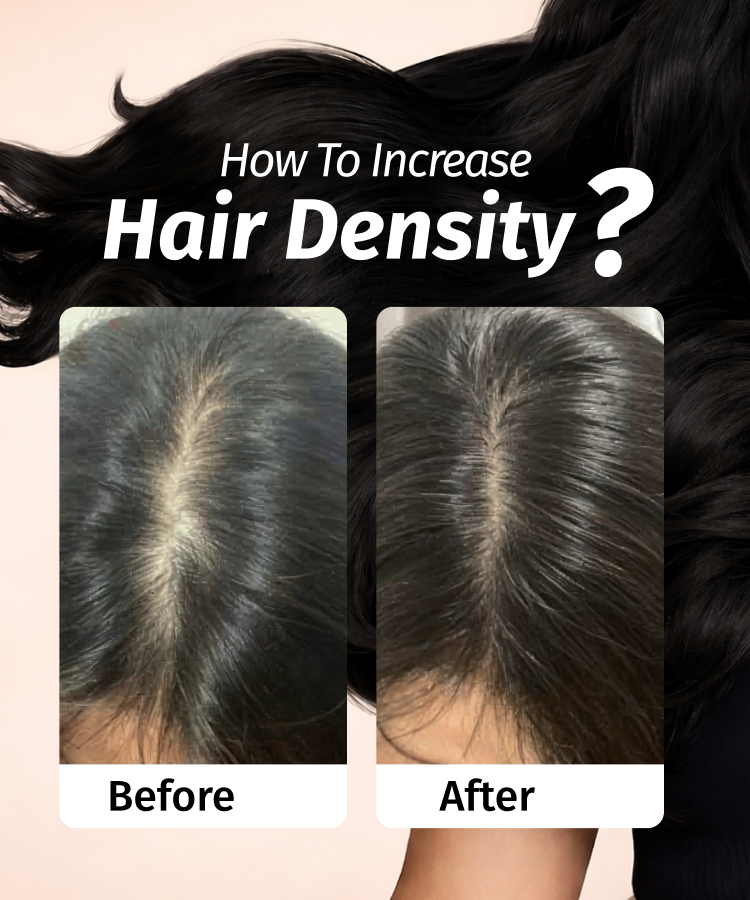
Hair feels flatter than it used to. A ponytail that looks thinner every month. Visible scalp takes away confidence. Hair thinning often shows up slowly and quietly. And no, it’s not ‘just in your head.’
Most people facing thinning hair don’t actually have excess hair fall. They’re experiencing low hair density. That’s a different concern altogether.
Did you just think, ‘How to increase hair density, then?’ We’ll tell you how. No panic. No myths. No miracle claims.
What is Hair Density?
Hair Density means how closely your strands grow together on the scalp. Not the thickness of each strand. Not how long your hair is. It’s just the number of strands growing.
For instance, you and your friend may lose the same amount of hair daily. But only one of you feels like your hair is thinning.
Understanding hair density helps you stop blaming the wrong things. And start fixing the right ones.
Common Signs of Low Hair Density
Many people miss the early signs of low density hair. Here’s what it often looks like:
- Visible scalp along the crown, parting, or hairline.
- Your braid feels thinner than before
- Hair looks flat soon after washing
- Hairstyles don’t hold volume for long
- A gradual change over time (not sudden hair fall)
If this sounds relatable, your hair really needs help.
How to Check your Hair Density at Home?
Before trying anything. Before looking for solutions. Let’s find out where you stand. Here’s a simple self-check:
- Part your hair under natural light: If your scalp shows clearly, even with a narrow part, density may be low.
- Notice your ponytail size: Tie your hair as you usually do. If the grip feels thinner than before, it could be a sign of lower density.
- Compare old photos: Pictures from a year or two ago can reveal gradual changes (you might not notice them daily).
Noticing some of these signs? Don’t worry, there are easier ways to increase hair density.
Why does your Hair Density Reduce?
Hair density doesn’t drop overnight. It’s often your body responding to a few things like:
- Hormonal fluctuations
- Nutrient deficiencies (iron, protein, vitamin D and B12)
- Long-term stress or poor sleep
- Scalp buildup, dandruff or less blood circulation
- Frequent styling or treatments
- Postpartum
- Lifestyle changes
- Genetics and ageing
So, there’s no single answer to how to increase hair density. It’s always a combination of the right care and consistency.
How to Improve Hair Density Naturally?
You don’t need harsh treatments or a 10-step routine. Small, consistent habits support healthier, fuller-looking hair over time.
- Take care of your scalp: Keep it clean, balanced, and nourished with natural hair care products. A gentle scalp massage can boost circulation and support healthier growth.
- Go easy on heat styling: Too much heat from styling tools can weaken hair over time, making it look thinner and less full. So, style occasionally - not every day.
- Avoid tight hairstyles: Ponytails, buns, or braids can put stress on the roots when done often. Go for loose styles that don’t pull at the scalp.
- Consume enough protein: Hair needs protein to grow stronger. Adding lentils, eggs, nuts, and seeds to your daily meals can help support growth.
- Check your nutrient levels: Low iron, vitamin D, or B12 can affect hair growth and density. It’s worth checking once a year if you notice thinning.
- Manage daily stress: It can affect the hair growth cycle more than we realise. Small moments of unwinding can help both your body and hair recover.
- Stay consistent with your routine: Hair thickness doesn’t improve overnight. Gentle, regular care makes a real difference.
Best Hair Care Routine for Low Density Hair
Here’s a simple routine that helps you get thicker hair.
Step 1: Hair growth oil
Go for a low density hair oil like Vilvah’s Hair Regrowth Oil. Gently massage it into your scalp twice or thrice a week.
Step 2: Nourishing shampoo
Use a mild, sulphate-free shampoo once or twice a week. It will cleanse without drying or damaging your hair.
Step 3: Hydrating conditioner
Don’t skip this step after washing. Hair conditioner helps reduce breakage. It keeps your hair soft and manageable.
Step 4: Lightweight serum
Apply 2-3 pumps of hair serum on your wet hair. It keeps your hair frizz-free and protects it from heat damage.
Bonus: Apply a nourishing mask once a week. We recommend Goat Milk Hair Mask. It strengthens your hair and makes it voluminous in a few weeks.
Thicker, Fuller Hair needs Consistent Care!
Hair density takes time to improve. And that’s perfectly okay. Just keep up with your routine and everyday care. Your hair will start getting voluminous within a few weeks. Are you looking for simple, natural options? You must explore Vilvah’s hair care range with high-performing products. They are thoughtfully made to work best on Indian hair types.
Shop at the Vilvah store online or visit your nearest Vilvah outlet.
FAQs
1. What is a low density hair patch?
A low density hair patch is an area of the scalp where hair appears thinner or sparse compared to the surrounding hair. It can feel worrying, but it often happens due to temporary shedding, stress, or natural hair cycles.
2. What causes low hair density?
Low hair density can result from genetics, stress, hormonal changes, aging, poor nutrition, or excessive hair shedding. Often, multiple factors work together which is why identifying the root cause matters.
3. What is the difference between hair density and hair volume?
Hair density refers to how many strands grow on your scalp, while hair volume describes how full or lifted your hair looks. You can have low density hair that still appears voluminous with the right care.
4. Does shaving your head increase hair density?
No, shaving does not change hair density. Hair may feel thicker as it grows back, but the number of hair follicles remains the same.
5. Can I get my hair density back?
In many cases, yes. If thinning is caused by stress, diet, or temporary factors, improving scalp care, nutrition, and overall health can help restore fuller-looking hair over time.
Related Stories
-

Skincare Ingredients That Underperform on Indian Skin, and What Works Instead
-

Dandruff v/s Dry Scalp: Understand the Real Difference
-

Melanin in Skin: What It Actually Does, and Why Indian Skin Marks So Easily
-

Goat Milk Soap vs Regular Soap: What Actually Changes on Your Skin
-

Fitzpatrick Skin Types: Where Most Indian Skin Actually Sits
-

Skin Tone vs Skin Undertone: Why the Difference Changes What You Buy
-

How to Find Your Skin Undertone at Home: Warm, Cool or Neutral
-

Dry Scalp: Causes, Remedies & How to Treat It Effectively
-

Vilvah: Brand, Ingredients and Product FAQs
-

Hair Serum v/s Hair Oil: Key Differences Explained With Benefits


Leave a comment
All comments are moderated before being published.
This site is protected by hCaptcha and the hCaptcha Privacy Policy and Terms of Service apply.