

 Track Order

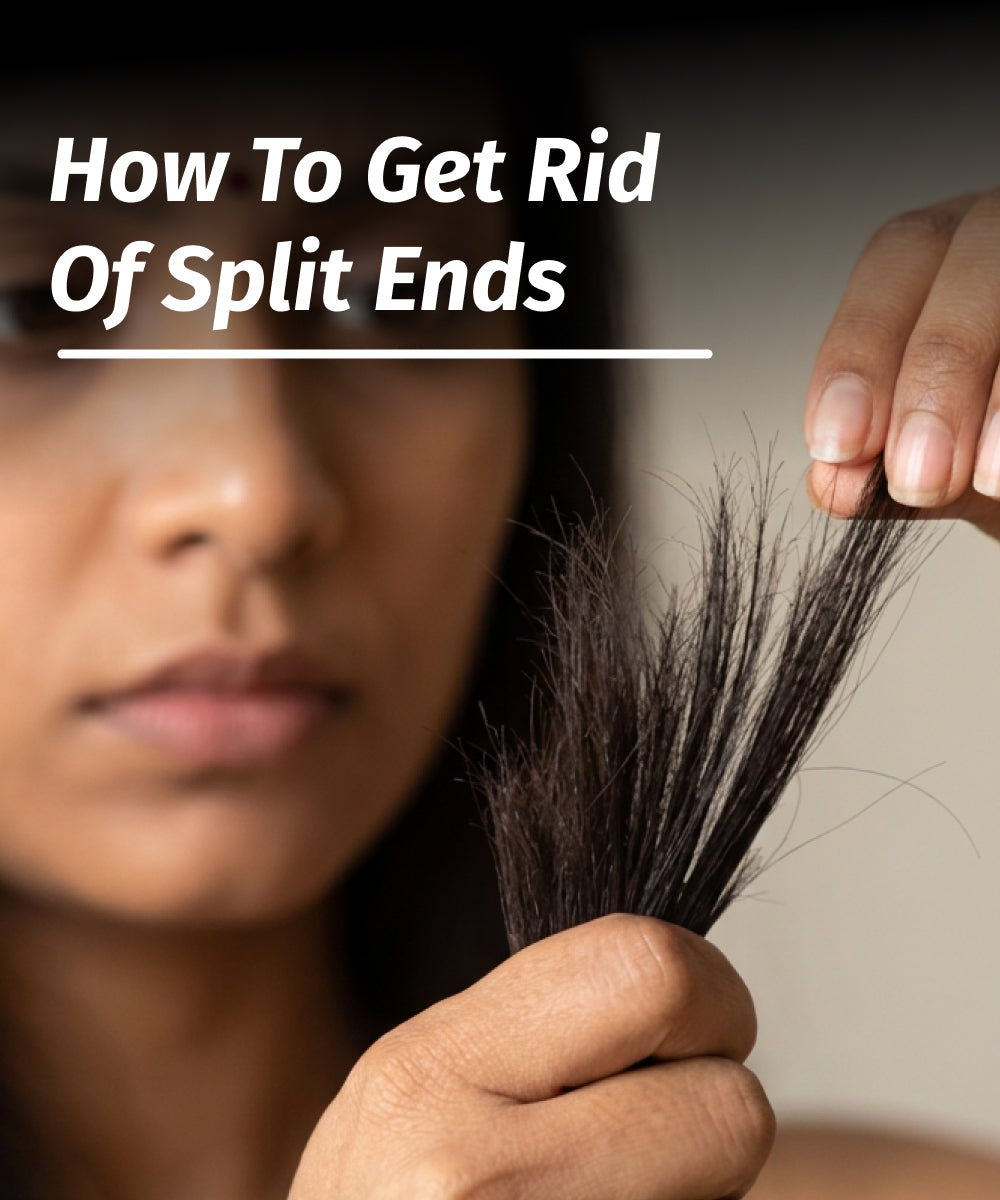
Hair damage rarely happens overnight. It builds slowly. One day, your hair feels slightly rough at the ends, then it starts tangling more often, looking frizzy, and breaking easily while brushing. Before you realise it, those dry and damaged ends become impossible to ignore.
Split ends are one of the most common hair concerns, but most people approach them the wrong way. They either overload their hair with products or ignore the problem until the damage spreads further up the strands.
In this blog, you’ll understand what causes split ends, why they happen so easily, and practical ways to manage them without complicating your routine.
What Are Split Ends?
Split ends happen when the protective outer layer of your hair becomes weak and damaged. As the hair loses moisture and strength, the ends begin to split into multiple strands. This type of damage is extremely common, especially in longer hair, because the ends are the oldest and most exposed part of the strand.
Some common signs include:
- Dry and rough hair ends
- Frizz that doesn’t settle
- Increased tangling
- Hair breakage while combing
- Dull-looking strands
Most people dealing with split ends hair notice that their hair starts looking unhealthy even if the roots feel fine. That’s because the damage usually begins at the ends and slowly moves upward if ignored.
What Causes Split Ends?
Split ends are usually a result of repeated stress on the hair. Daily habits matter more than most people think.
Heat Styling
Frequent use of:
- Straighteners
- Curling tools
- Blow dryers
can weaken the hair cuticle and remove moisture from the strands.
Lack of Hydration
Dry hair breaks much faster. Without proper moisture, the ends become brittle and fragile.
Harsh Hair Products
Strong shampoos and products with harsh cleansers can strip away natural oils that protect your hair.
Sun Exposure
Most people protect their skin from the sun, but forget that hair also gets damaged by UV exposure. Heat and sun can leave hair dry, rough, and weak over time.
Overwashing
Washing your hair too often can remove the natural oils needed to keep the hair soft and protected.
Skipping Regular Trims
When split ends are ignored for too long, the damage travels further up the strand and causes more breakage.
How To Remove Split Ends?
The truth is, once the hair strand splits, it cannot permanently repair itself. The only way to completely remove split ends is by trimming them.
That said, the right hair care routine can still:
- Improve texture
- Reduce roughness
- Prevent further splitting
- Make hair look smoother and healthier
Regular trims every few months help stop the damage from spreading and keep the hair looking healthier overall.
How To Prevent Split Ends?
Preventing split ends is easier than fixing them later. The key is to keep your hair hydrated, protected, and free from unnecessary damage. A simple and consistent routine can make your hair look healthier and feel smoother over time.
1. Start With a Gentle Shampoo
Choosing the best shampoo for split ends is important because harsh shampoos can dry out your hair and weaken the strands.
Look for a shampoo that:
- Cleans without stripping moisture
- Keeps hair soft after washing
- Supports overall hair health
If your hair feels rough immediately after washing, your shampoo is probably too harsh.
2. Use a Hair Mask Weekly
Dry hair becomes brittle faster, which is why hydration matters. Using a hair mask for split ends once or twice a week helps improve softness and reduce rough texture.
A good hair mask helps:
- Restore moisture
- Reduce frizz
- Improve manageability
- Keep ends softer and smoother
Focus mainly on the mid-lengths and ends while applying the mask.
3. Protect Hair With a Serum
Applying the best hair serum for split ends helps protect your hair from dryness, friction, and environmental stress.
Hair serums help by:
- Smoothing rough ends
- Controlling frizz
- Adding shine
- Reducing moisture loss
Serums also create a lightweight protective layer over the hair strands, which helps reduce breakage caused by daily wear and tear.
4. Trim your Hair Regularly
Regular trims help stop split ends from spreading further up the hair shaft. Even small trims every few months can make a noticeable difference.
Protect Your Hair Before Damage Starts
Split ends are usually a sign that your hair needs more protection and better care, not harsher products or complicated routines. If you’re looking for products that support smoother, healthier-looking hair, you can explore Vilvah's hair care range. From nourishing shampoos to everyday hair care essentials, the focus is on keeping your routine simple, effective, and gentle on your hair.
Your hair doesn’t need quick fixes. It needs consistent care. Visit Vilvah Store online or step into your nearest Vilvah store to experience the products firsthand and find what truly works for your hair.
FAQs
1. What are the different types of split ends?
Split ends can appear in different forms, including basic splits, tree-like splits, fork splits, and thin feathered ends. These are signs that your hair is dry or damaged and needs extra care.
2. Do split ends stop hair growth?
Split ends do not stop hair growth from the roots, but they can make hair break more easily, making it harder to maintain length. This often makes it feel like your hair is not growing.
3. Can split ends cause hair fall?
Split ends do not directly cause hair fall, but they can weaken the hair shaft and lead to breakage and thinning-looking hair. Healthy hair care can help reduce this damage.
4. Does cutting split ends make them worse?
No, cutting split ends does not make them worse. In fact, trimming damaged ends helps prevent the split from traveling further up the hair, keeping your hair healthier and smoother.
5. What Should You Do for Dry Hair and Split Ends?
Use a hydrating shampoo, deep conditioner, and nourishing hair oil regularly. Avoid heat styling and trim split ends occasionally to keep your hair soft, smooth, and healthy.
Related Stories
-

What Are Blemishes on Face? Causes, Remedies & Prevention
-

Your Cracked Lip Corners Are A Warning Sign!
-

Hair Breakage: What Causes It & How to Prevent
-

Alpha Arbutin: Benefits, Uses & Skin Brightening Tips
-

Which Soap Is Best for Skin
-

Dry Lips: What's Really Causing Them and How to Treat Them Naturally
-

UV Rays Explained: Types, Effects & How to Protect Your Skin
-

Benefits Of Using A Toner For Clear & Balanced Skin
-

Whiteheads: Causes & How to Remove Whiteheads Easily


Leave a comment
All comments are moderated before being published.
This site is protected by hCaptcha and the hCaptcha Privacy Policy and Terms of Service apply.