

 Track Order


I am a smell-sensitive person, but the body lotion feels so moisturizing and smells really good

Save Big on Combos
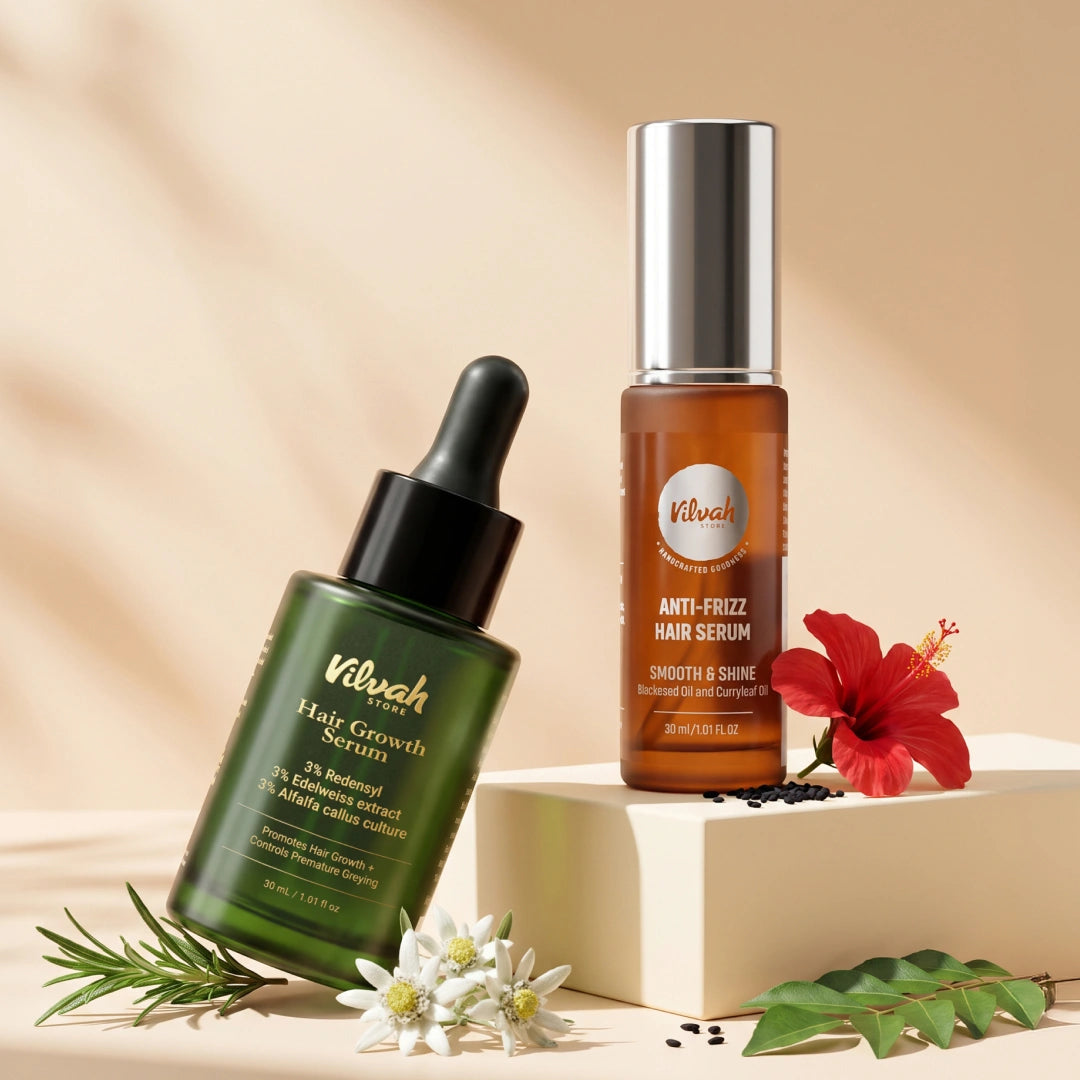
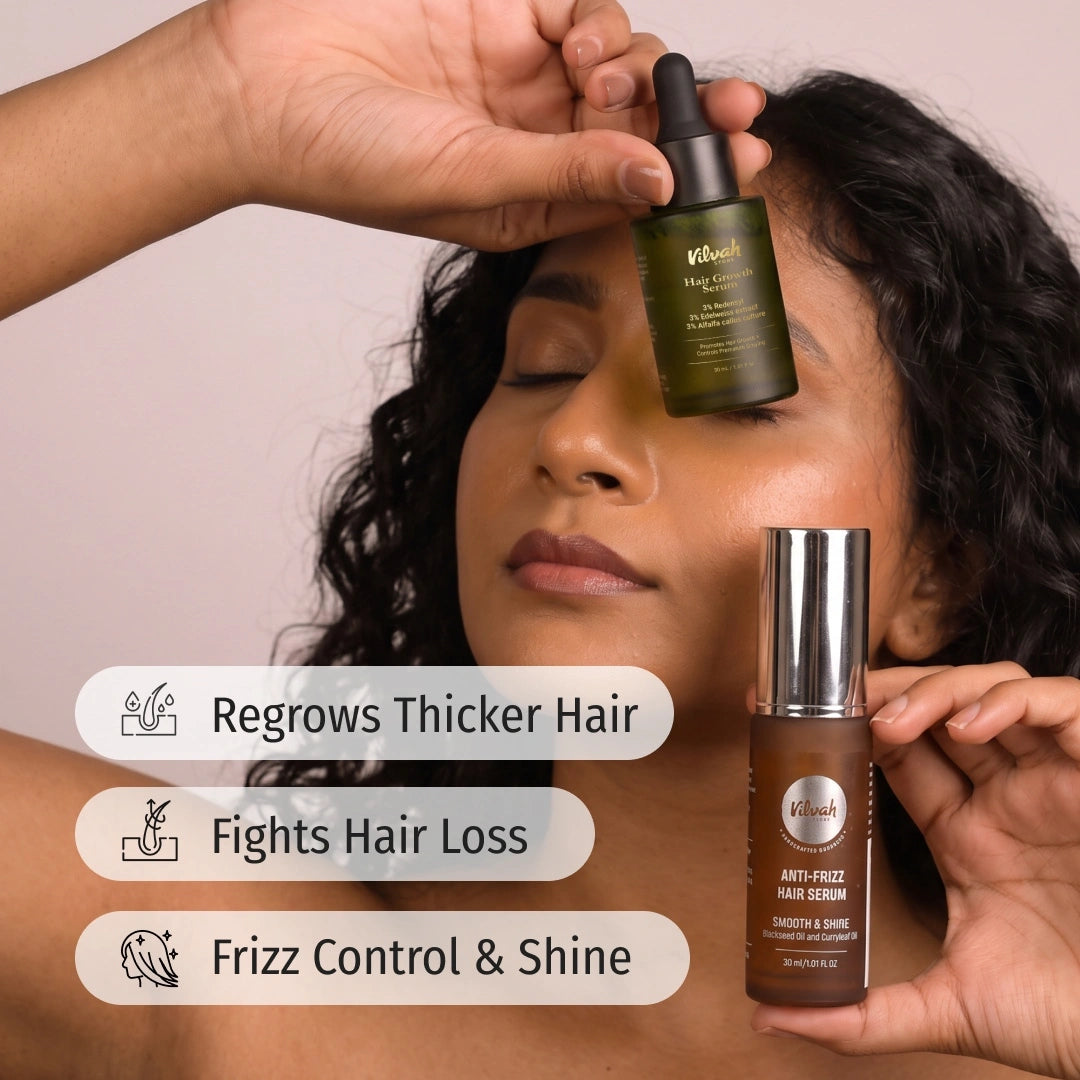
- Visible hair fall reduction in 6 weeks
- Promotes thicker softer hair growth
- Prevents premature greying
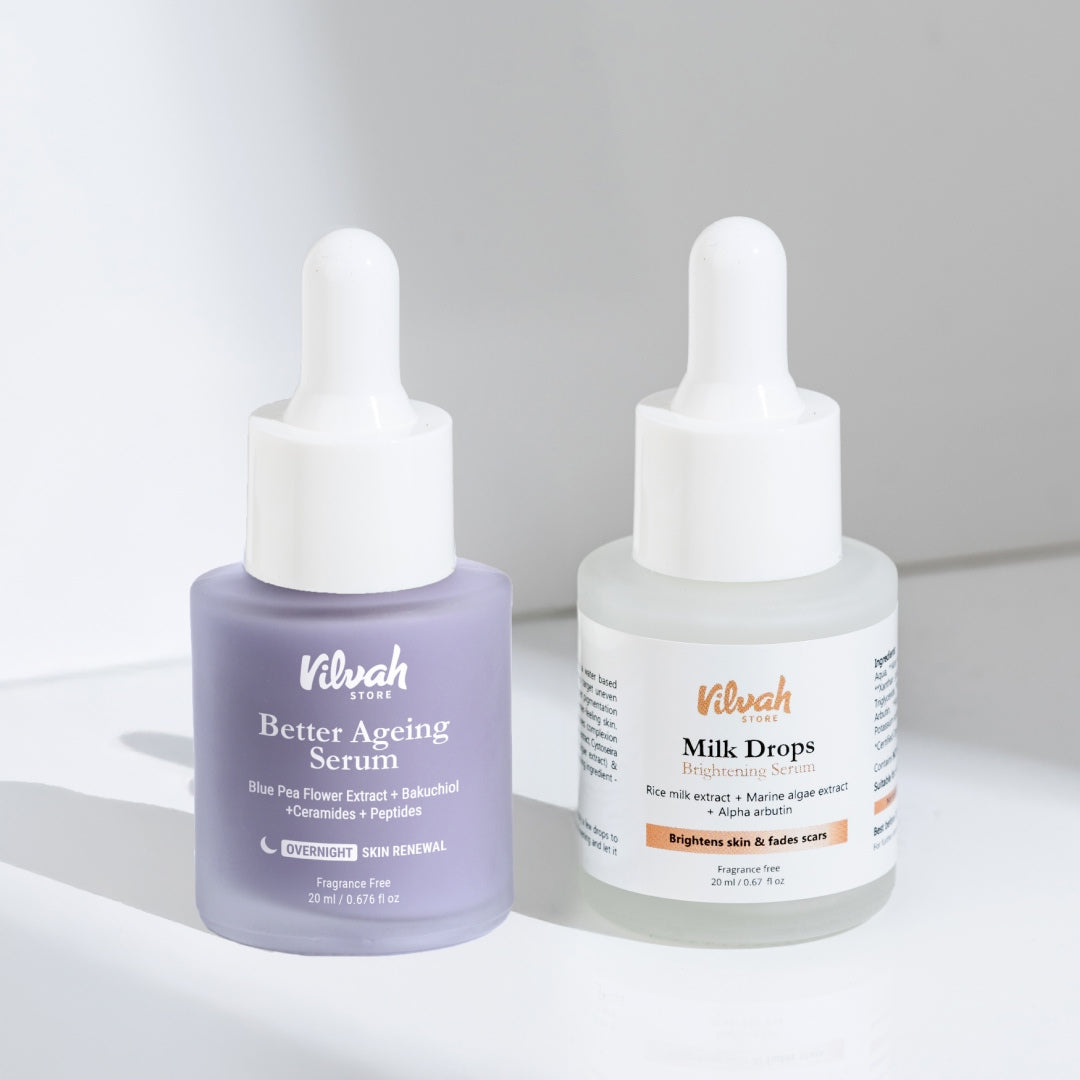
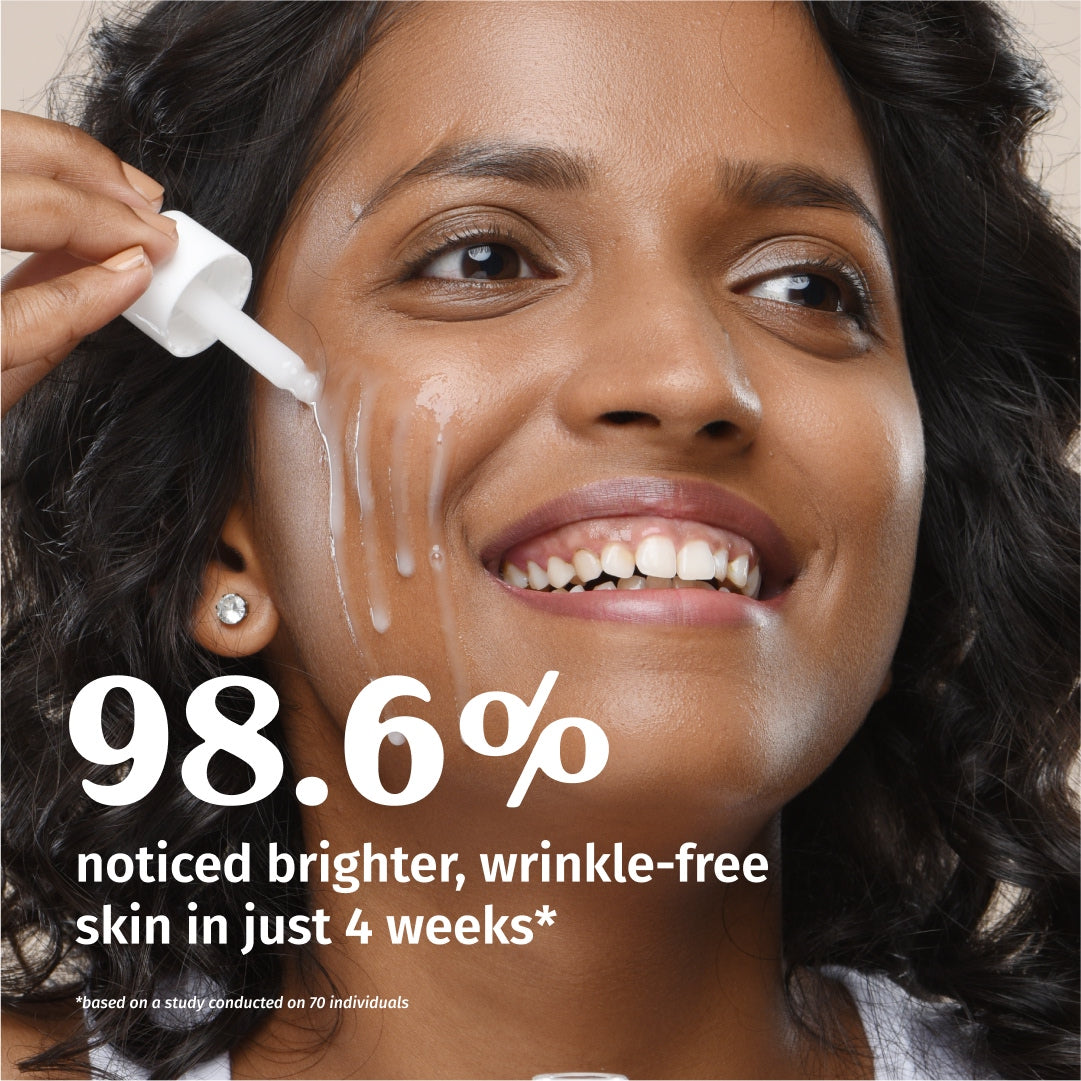
- Brightens Skin
- Smoothens Wrinkles
- Targets acne marks
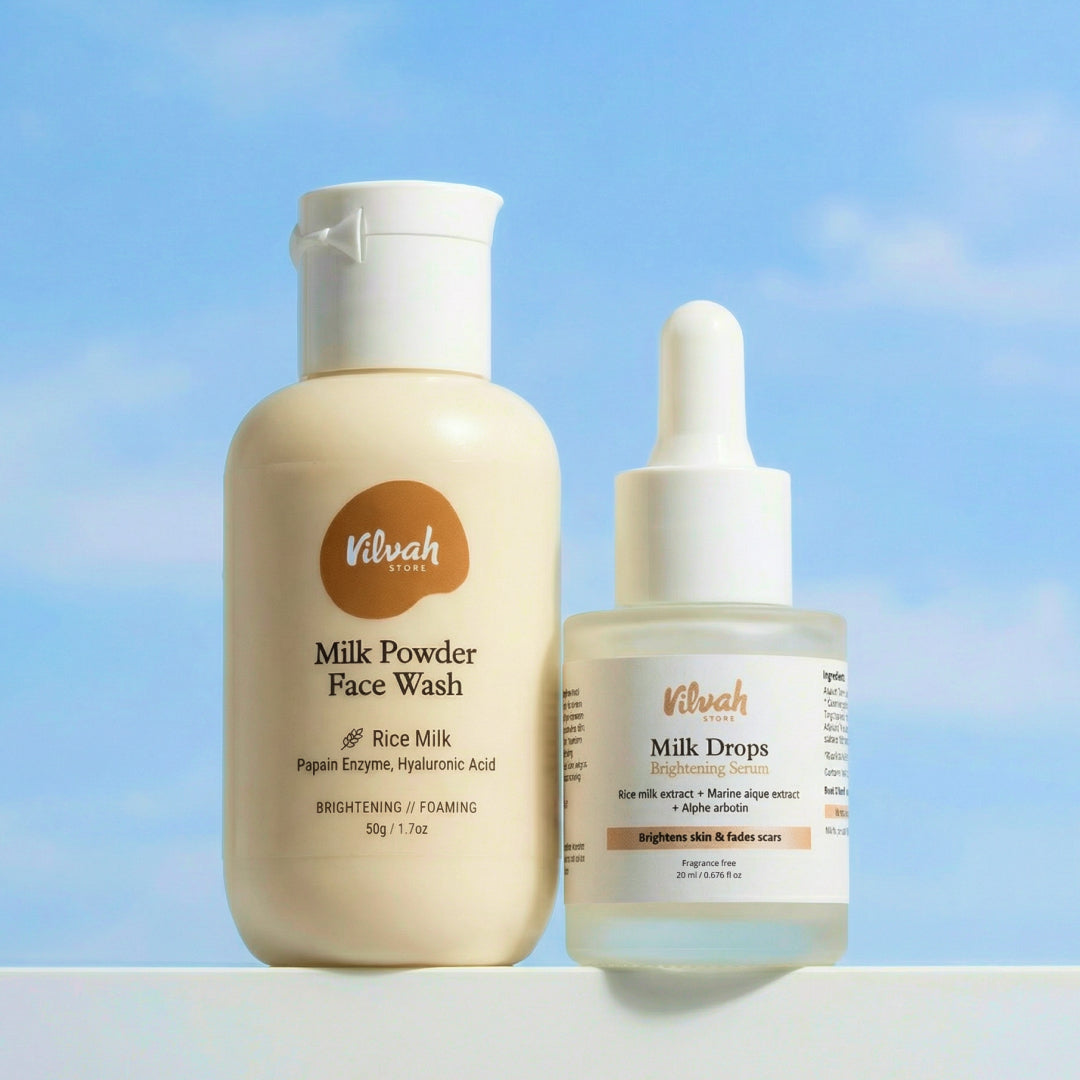

- Deeply Cleanses & Hydrates
- Brightens & Evens Skin Tone
- Fades Pigmentation & Dark Spots
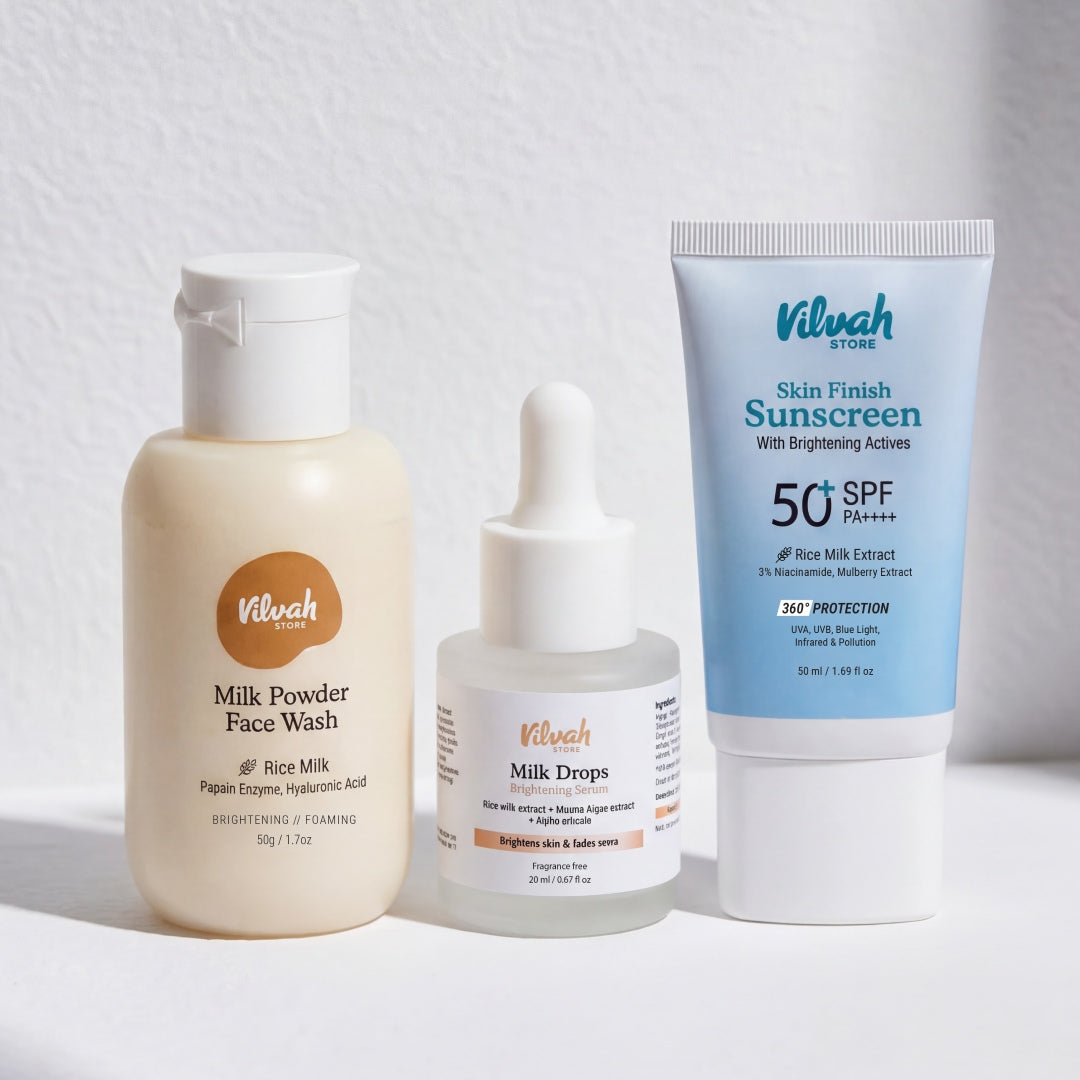
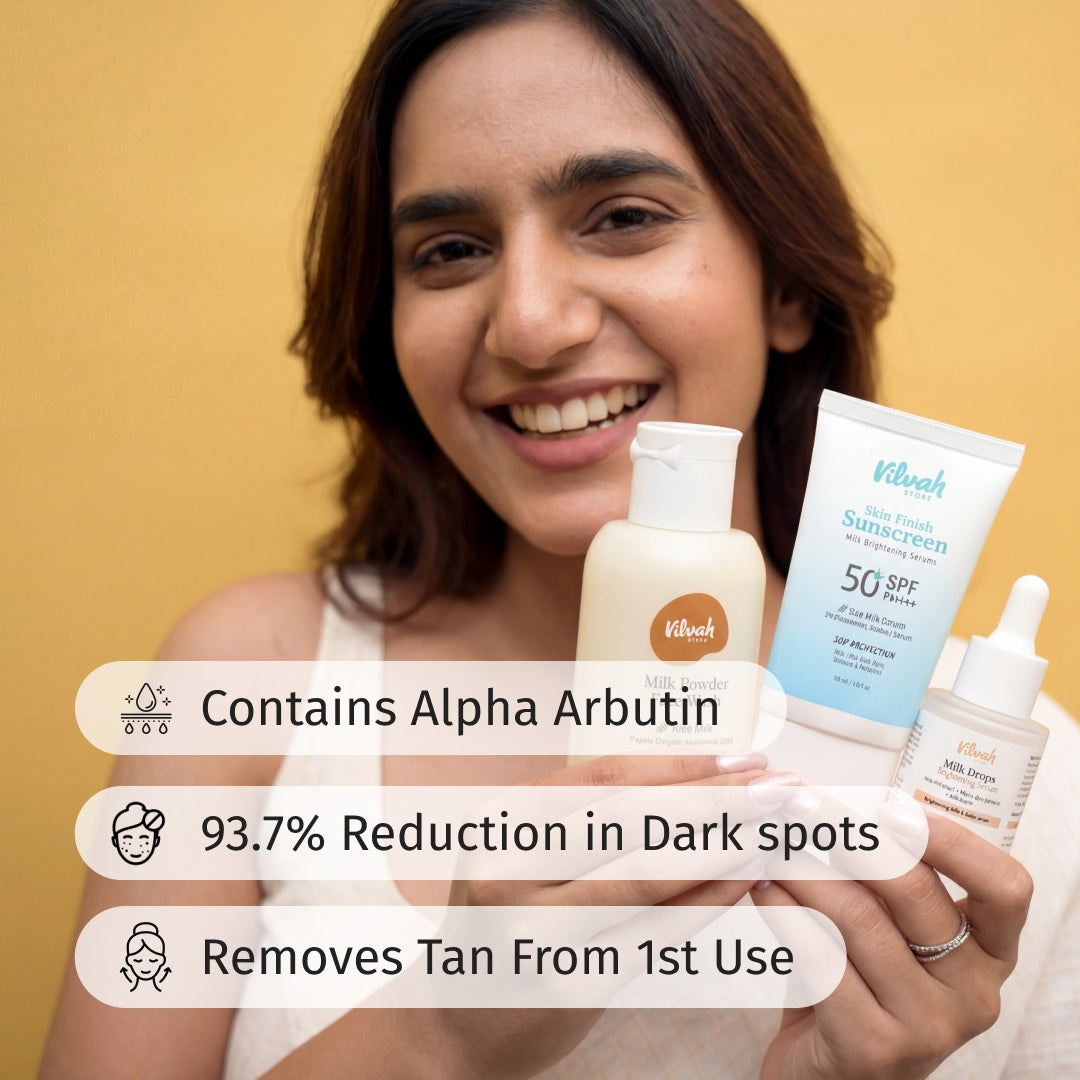
- Cleanses & Brightens Skin
- Fades Dark Spots In 4 Weeks
- Broad Spectrum Sun Protection
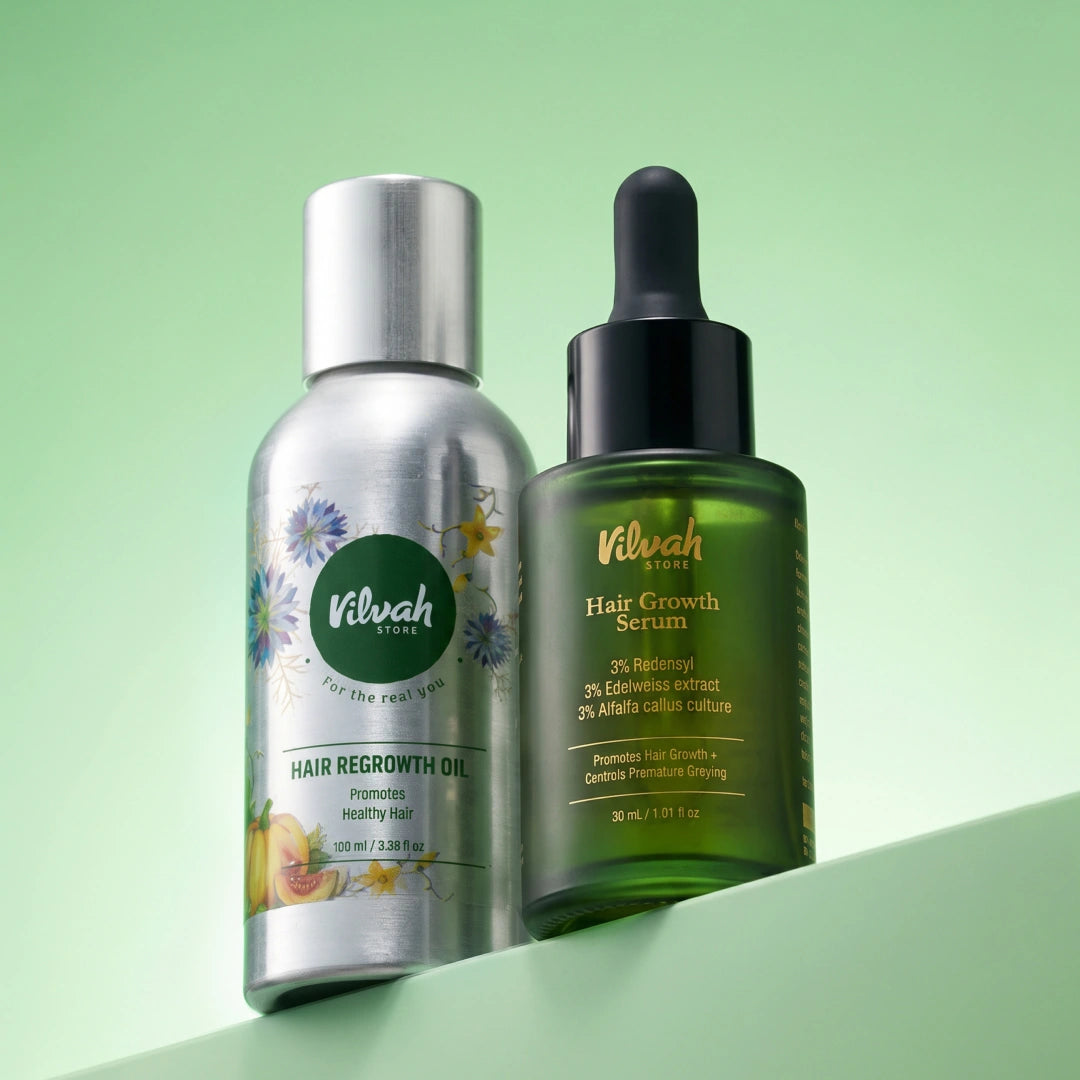
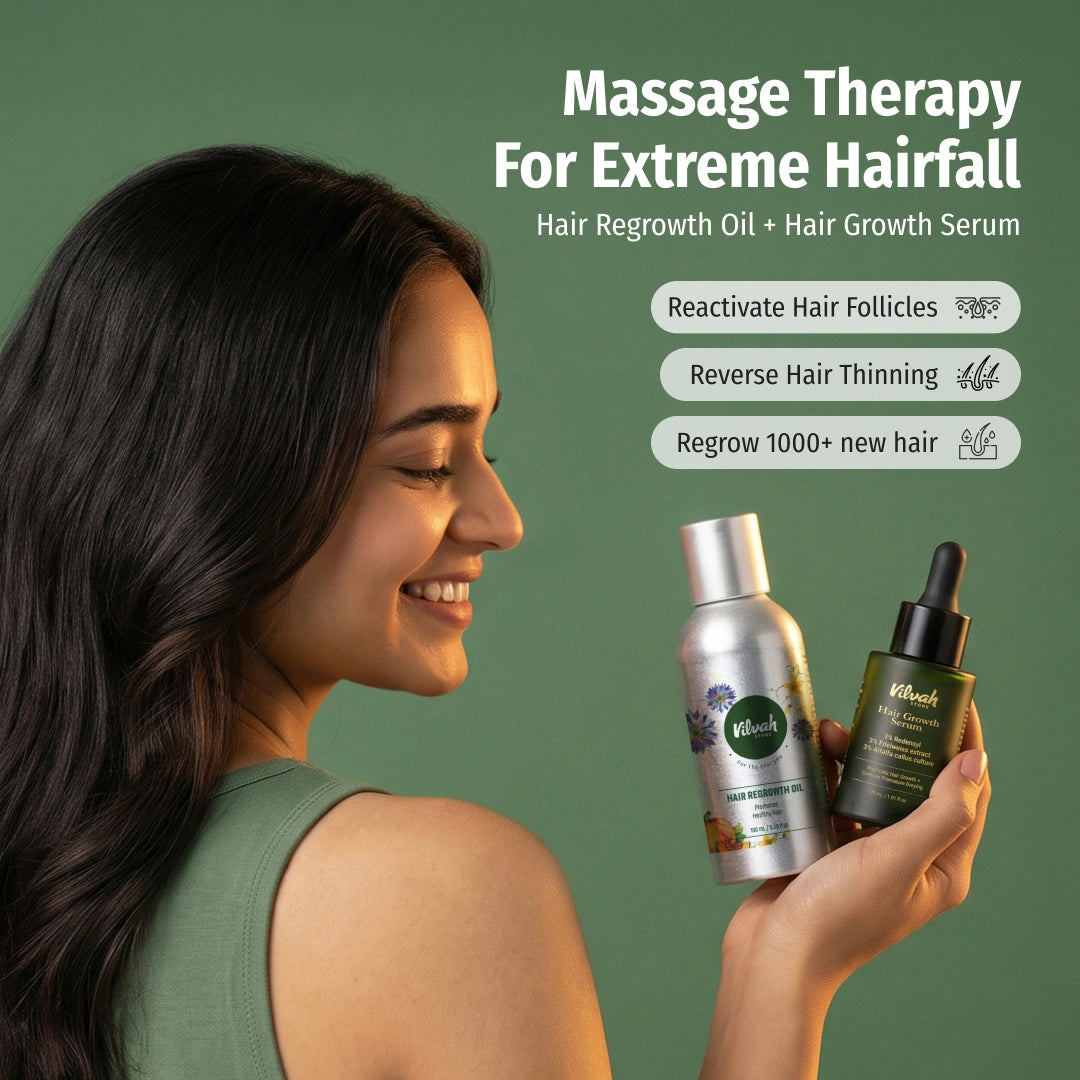
- Visible hair fall reduction in 6 weeks
- Promotes denser, healthier hair growth
- Prevents premature greying
New Launch
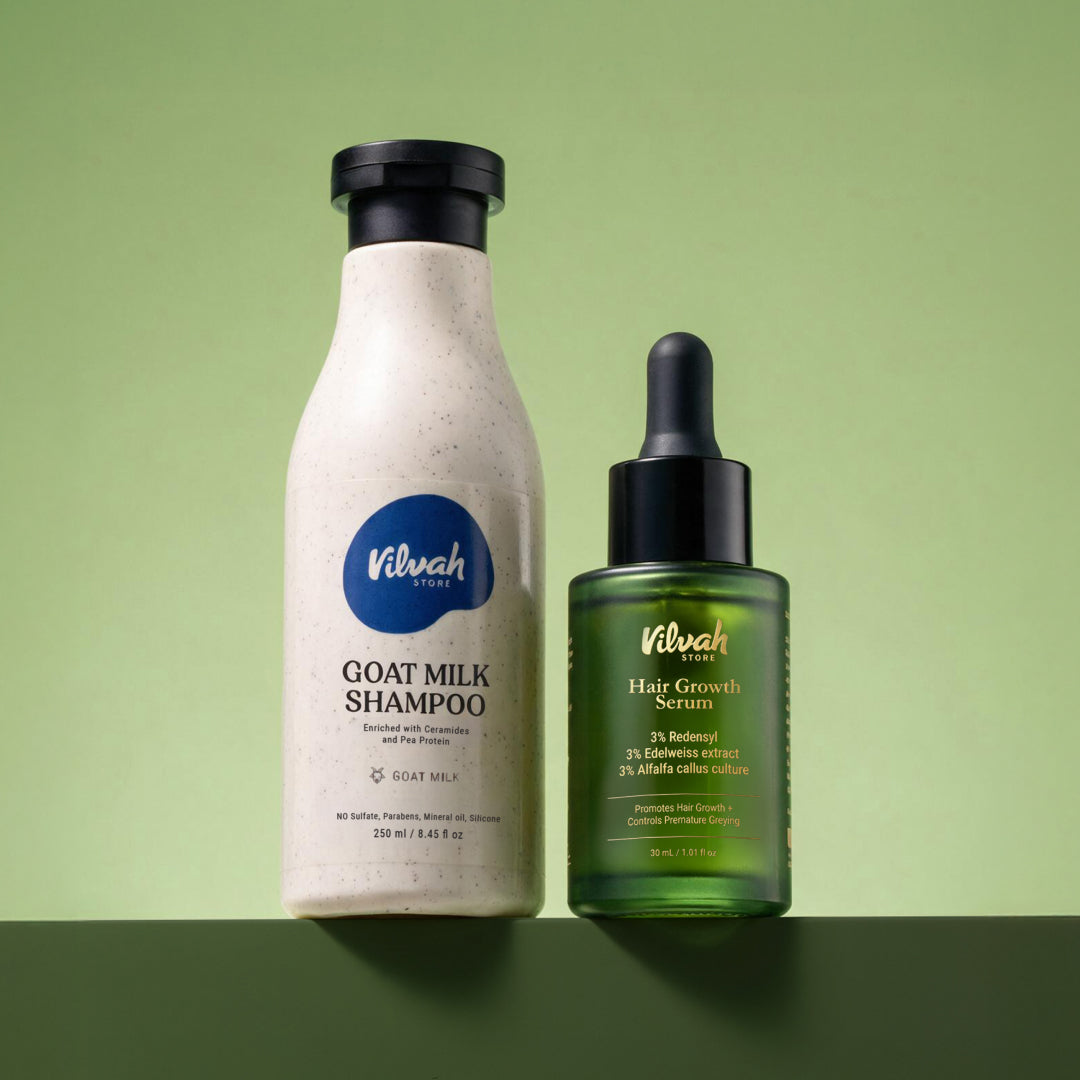
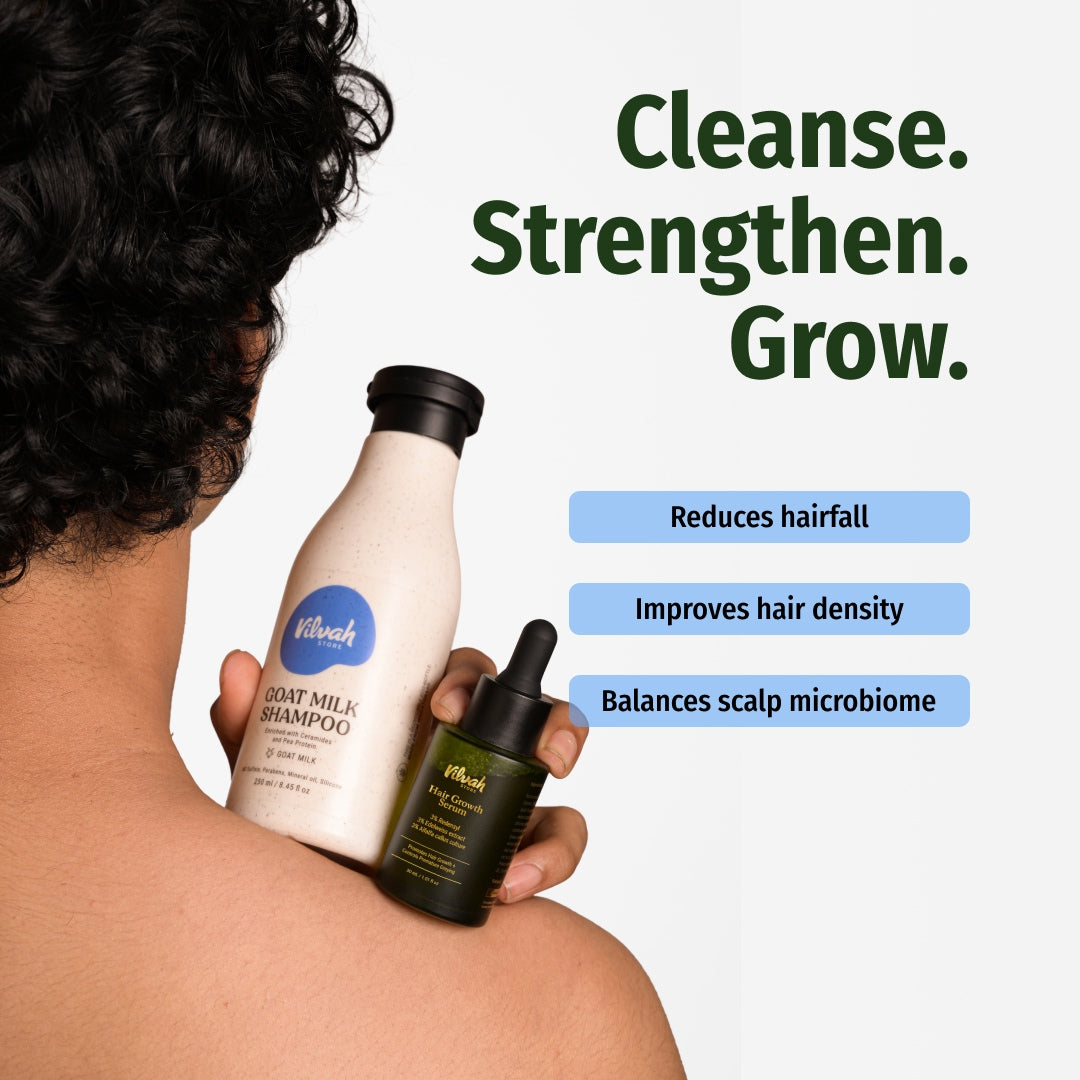
- Reduces Hairfall & Promotes Hair Growth
- Prevents Premature Greying
- Reduces Breakage & Strengthens Hair


- Balances Scalp pH
- Reduces Frizz & Dryness
- Detangles Effortlessly
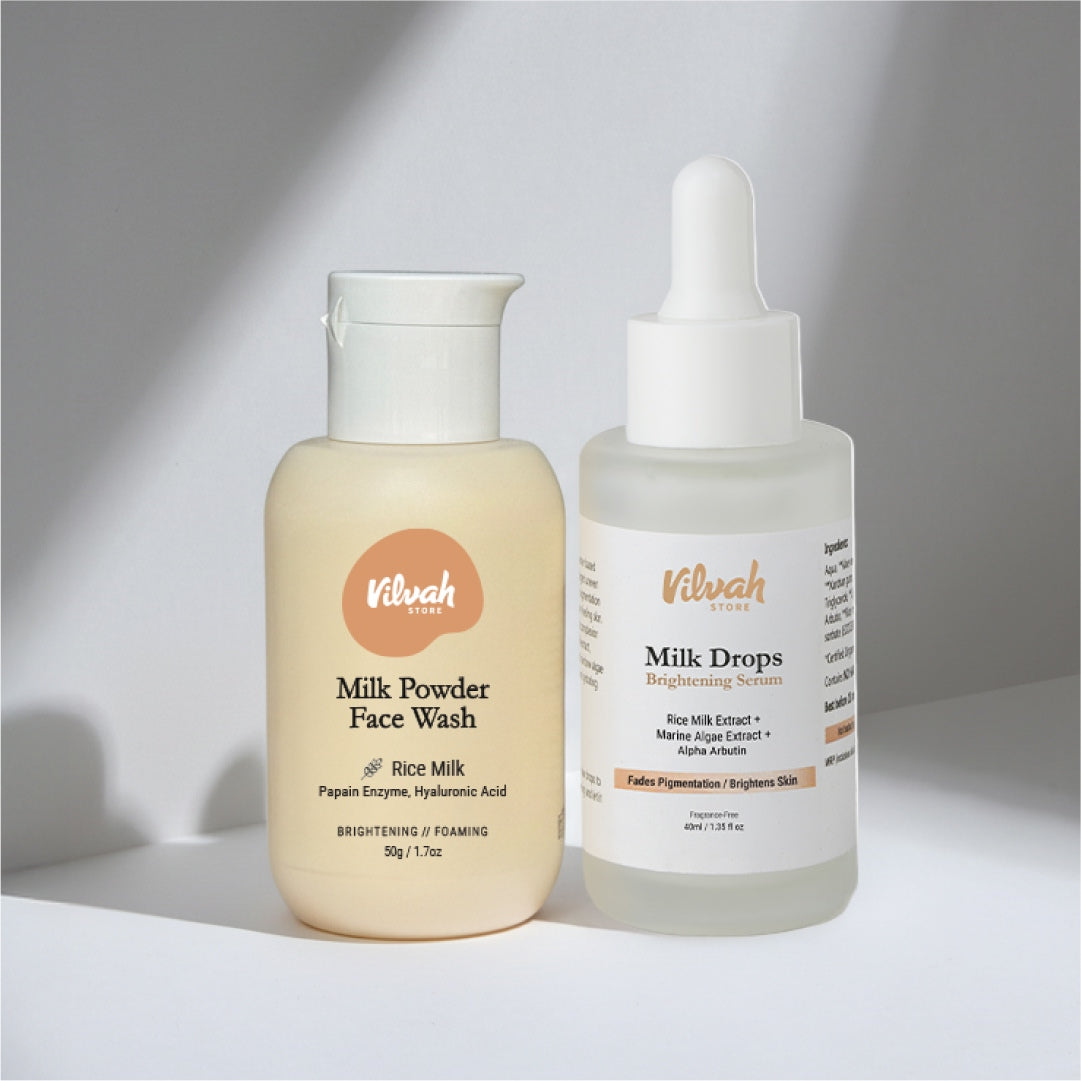
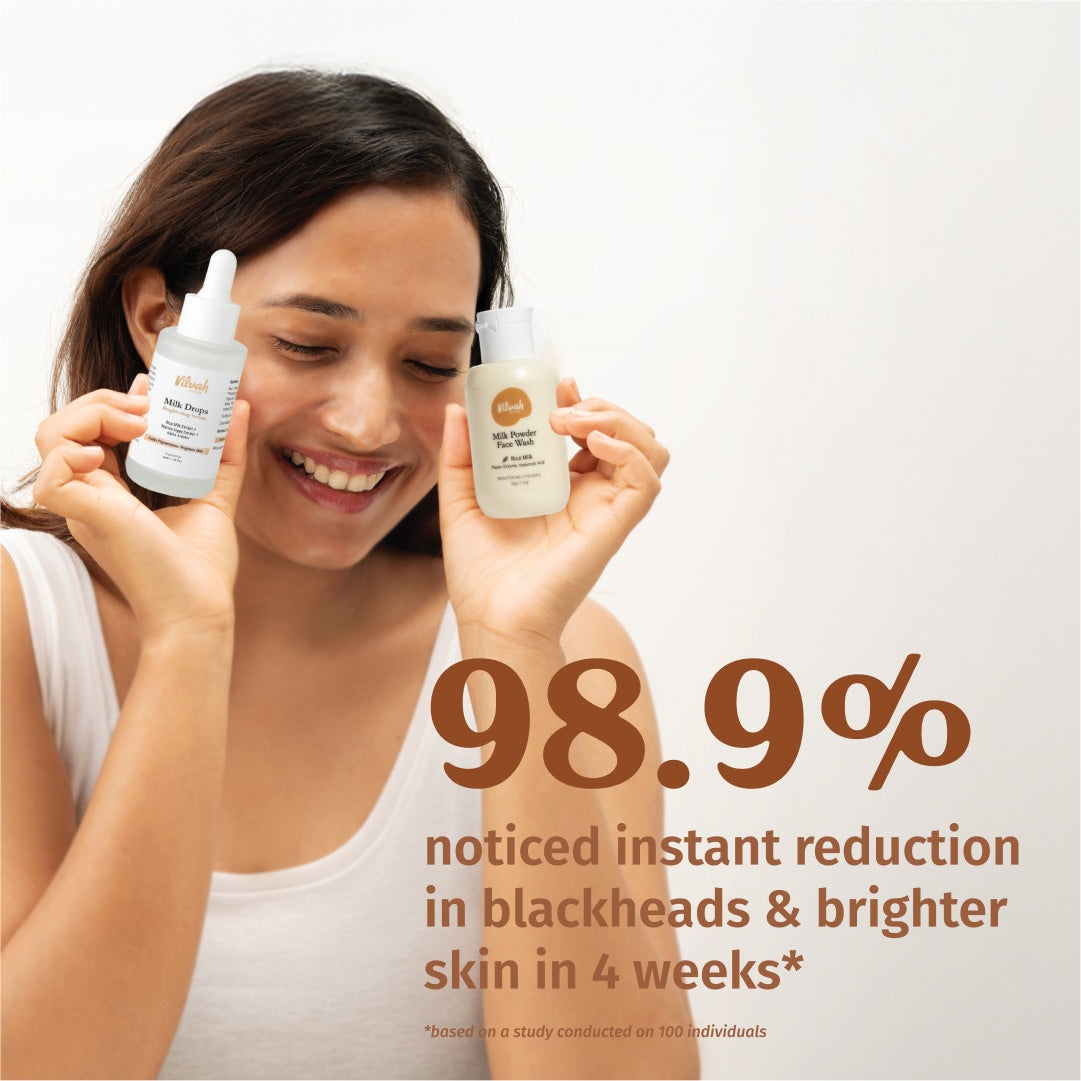
- Deeply Cleanses & Hydrates
- Brightens & Evens Skin Tone
- Fades Pigmentation & Dark Spots
Limited Time Deal
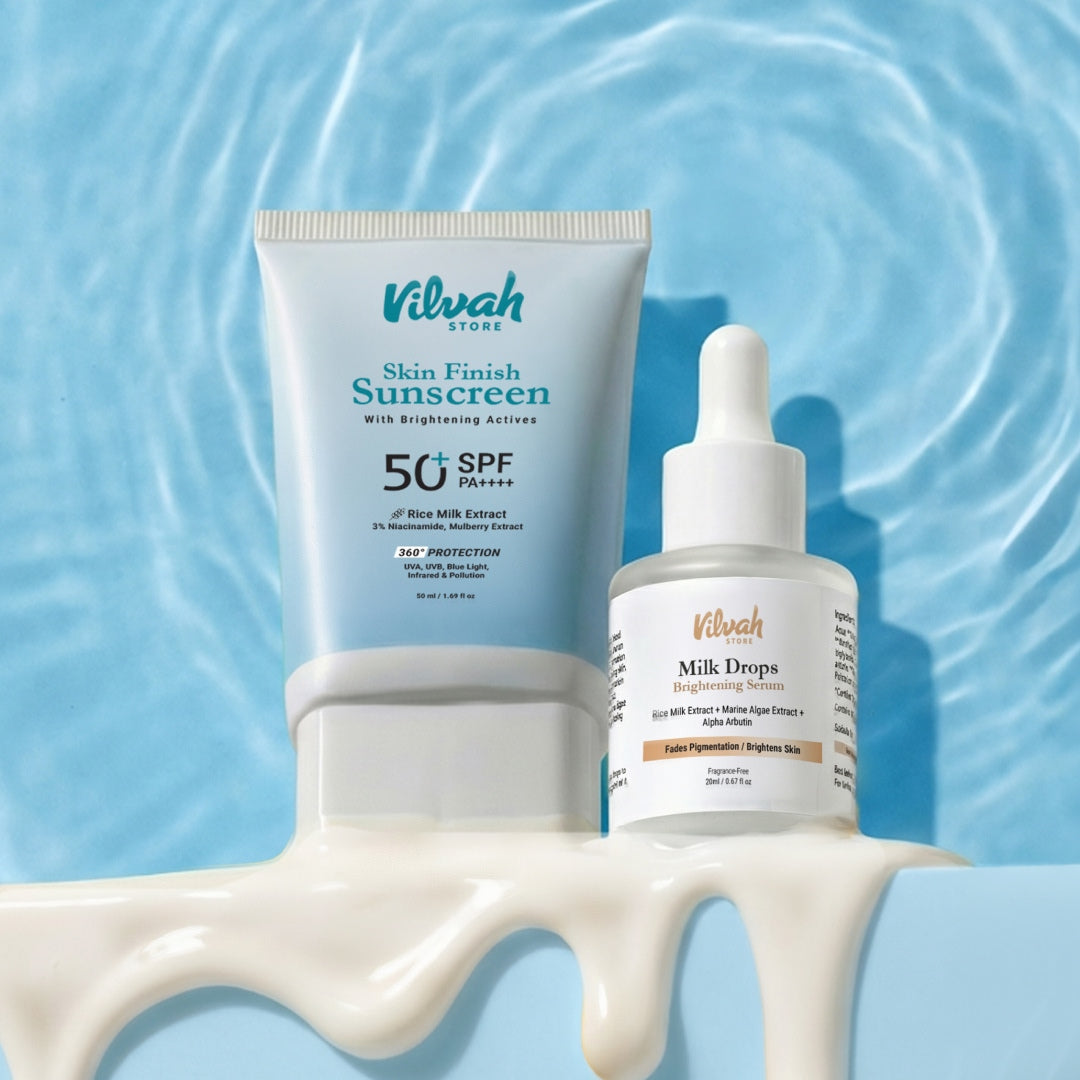
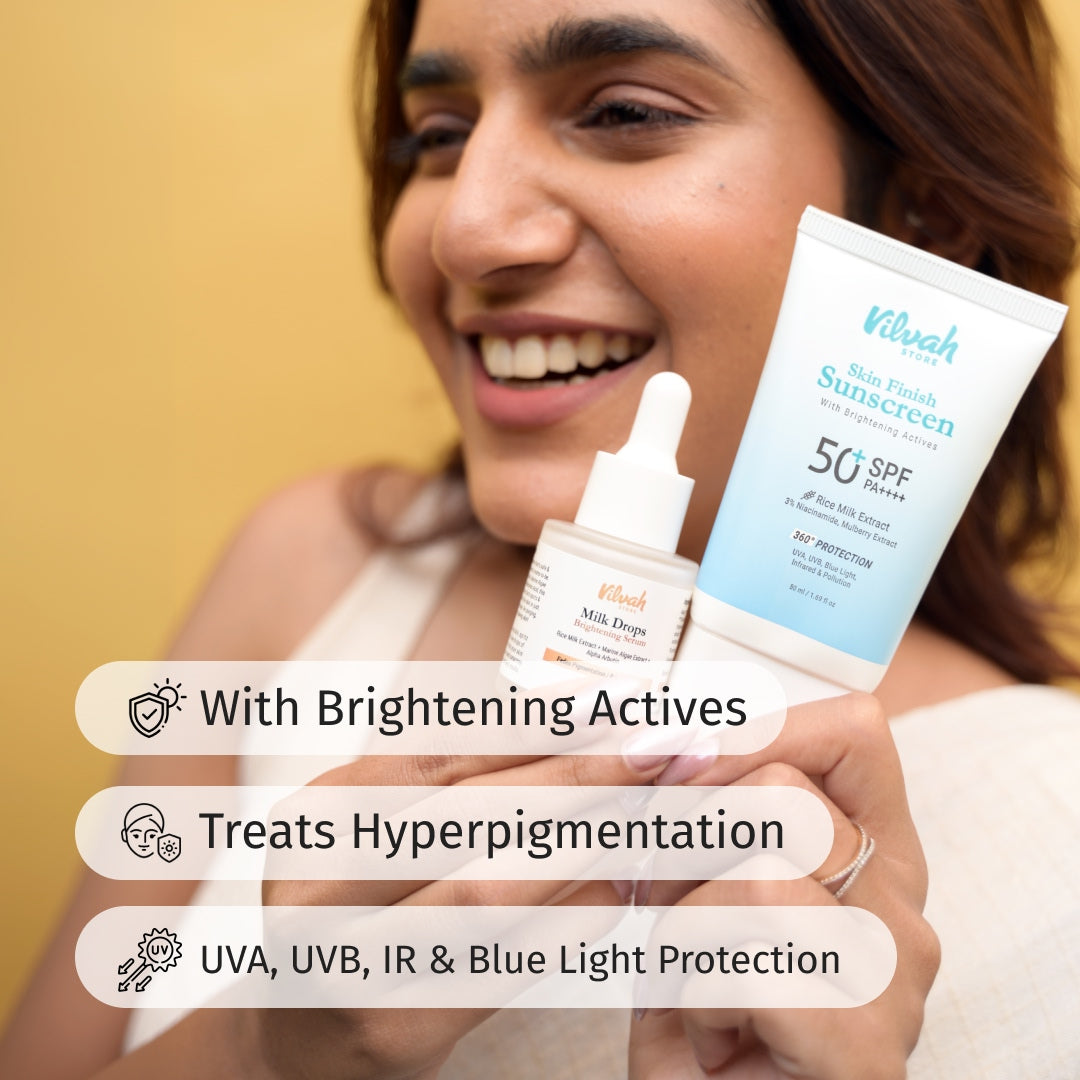
- Brightens Skin
- Reduces Dark Spots
- Better Tan Protection
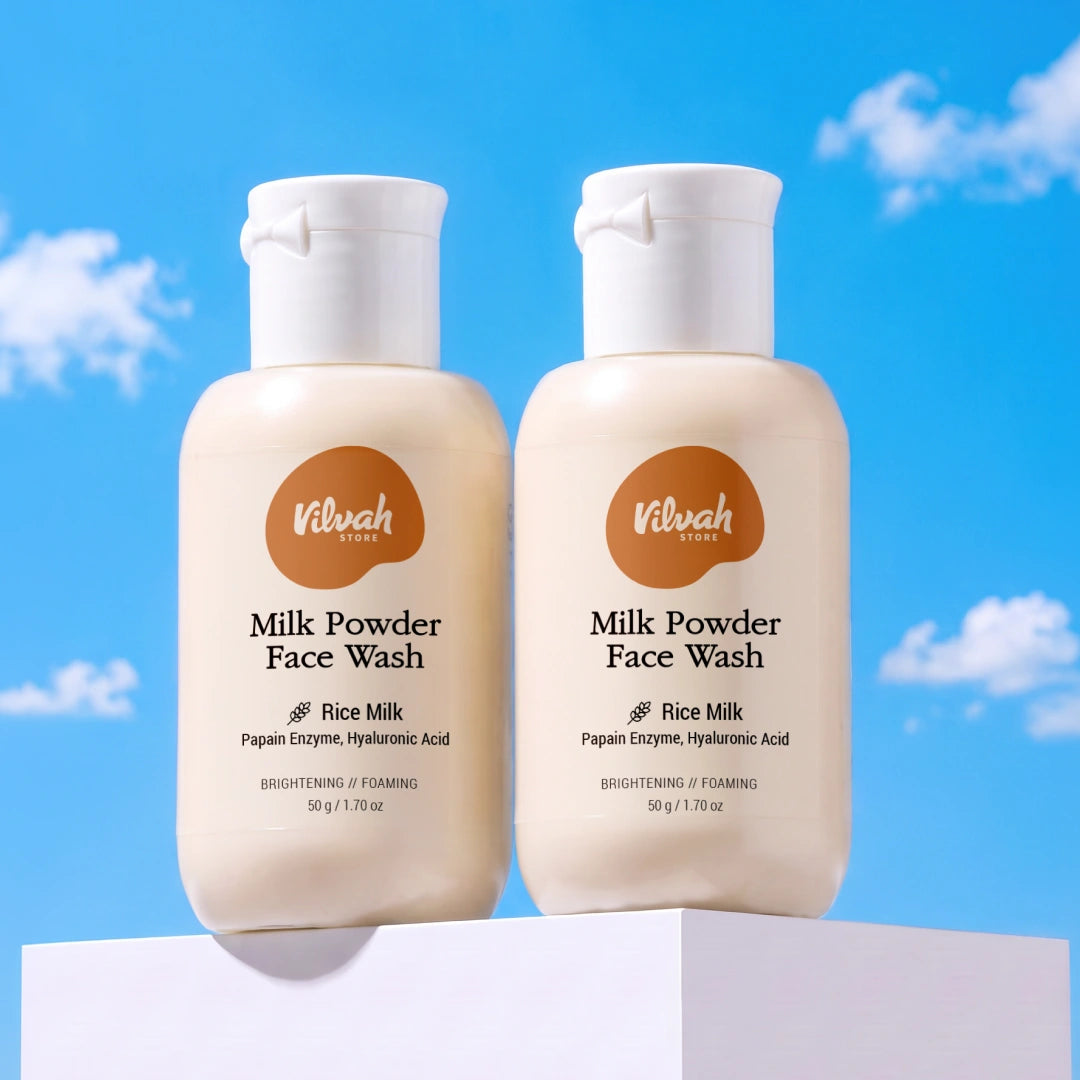

- Deep cleanses the skin
- Control excess sebum production
- Brightens the skin


- Moisturizes the skin
- Reduces redness and inflammation
- Soothes acne
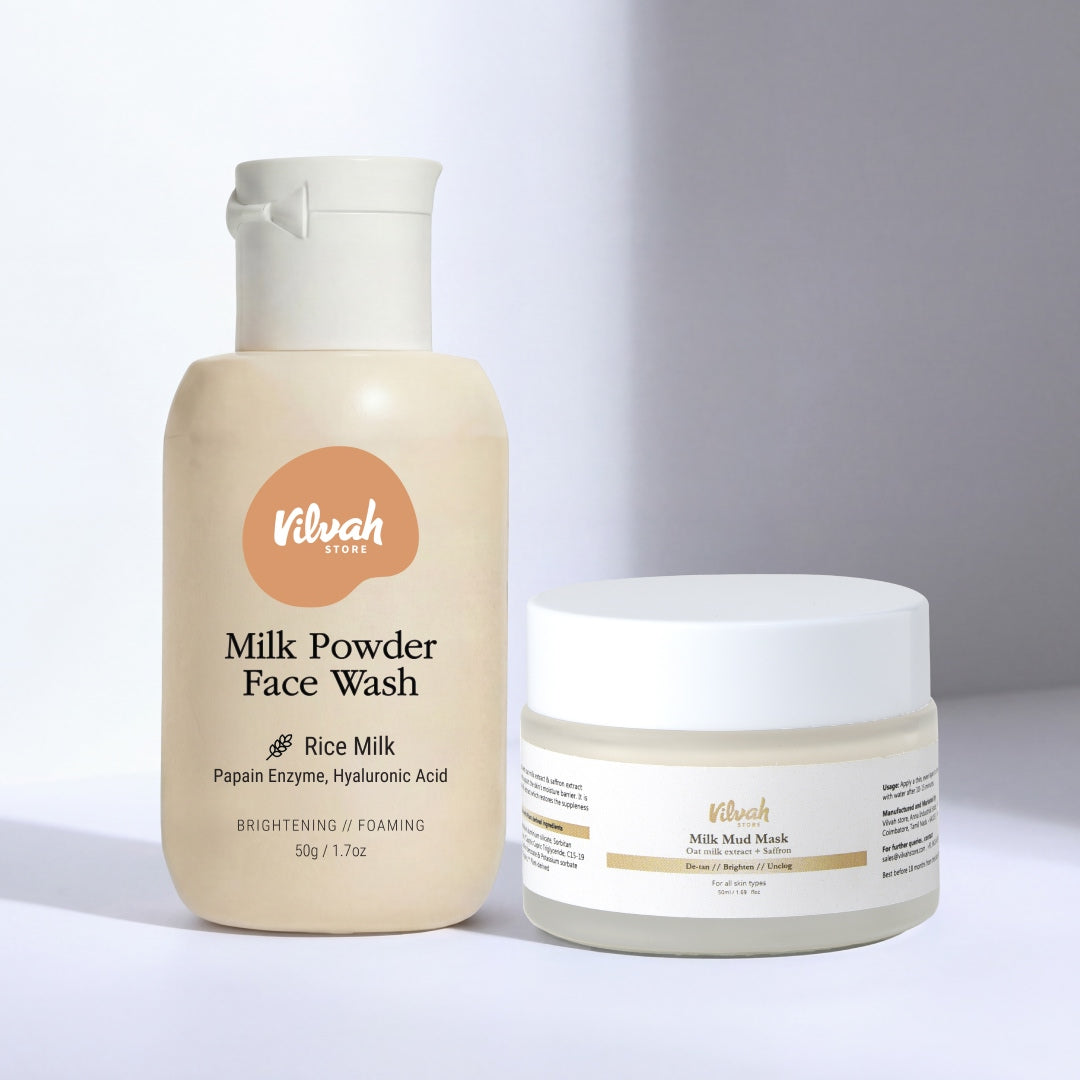
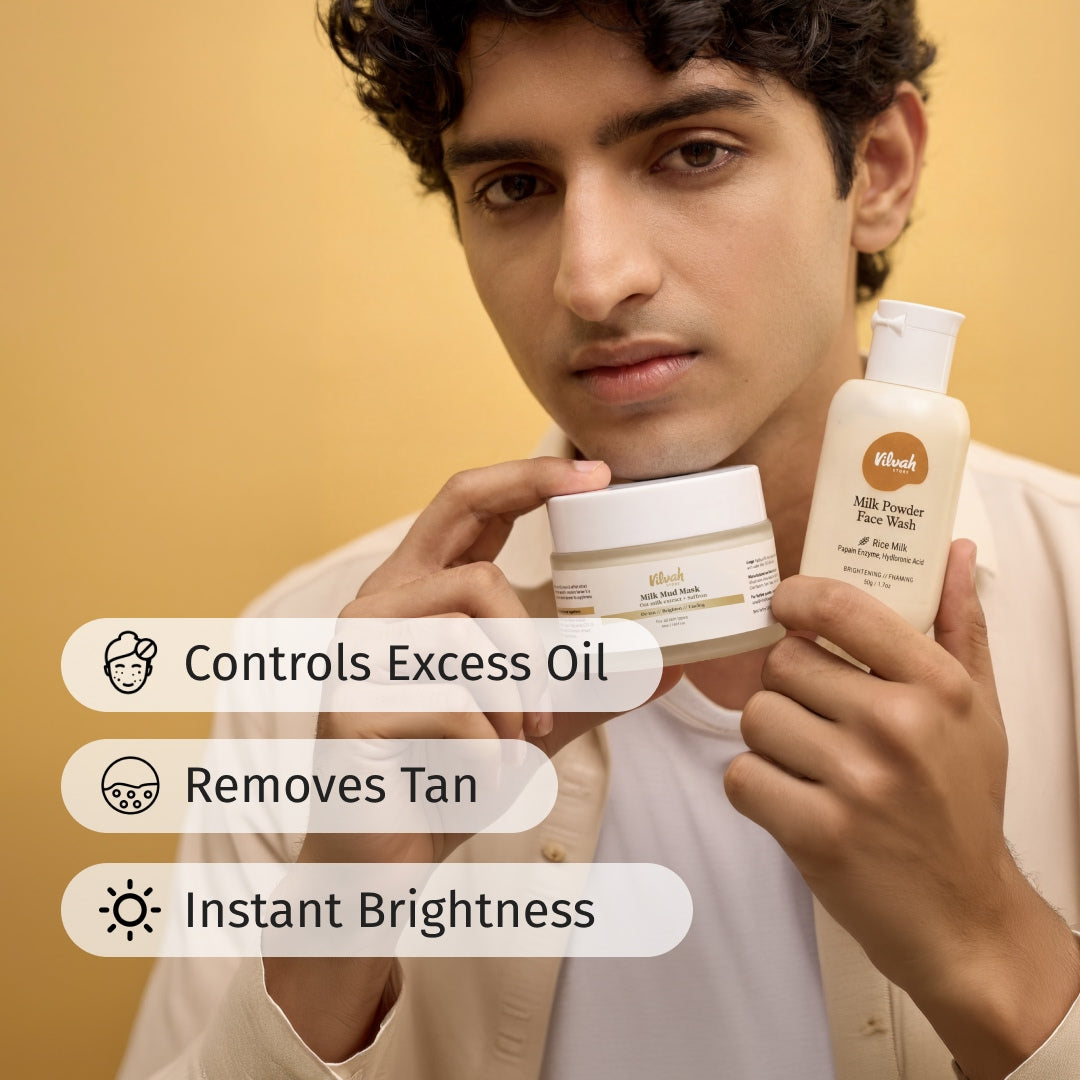
- Controls Excess Oil & Shine
- Unclogs Pores & Removes Blackheads
- Deep Cleanses Without Drying
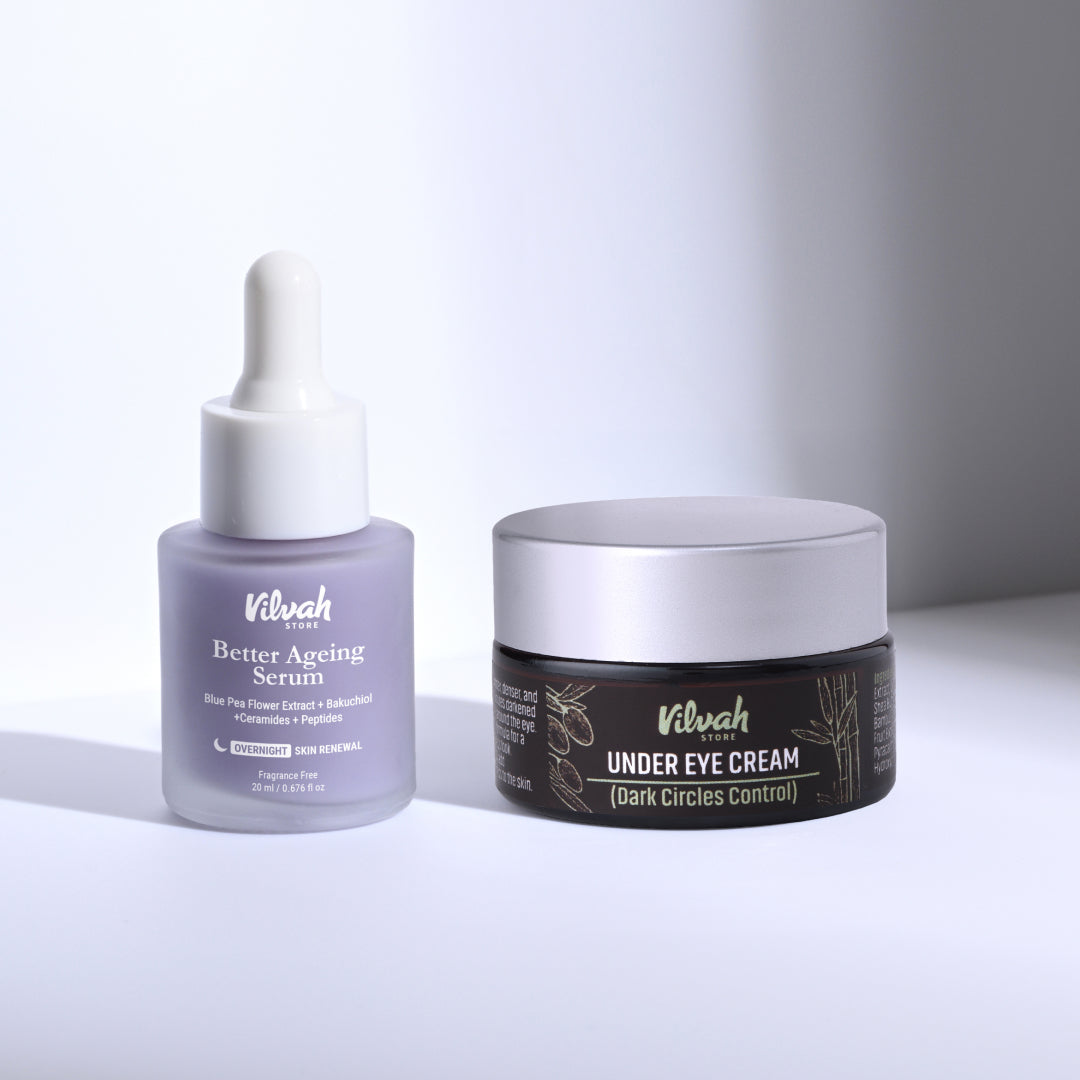
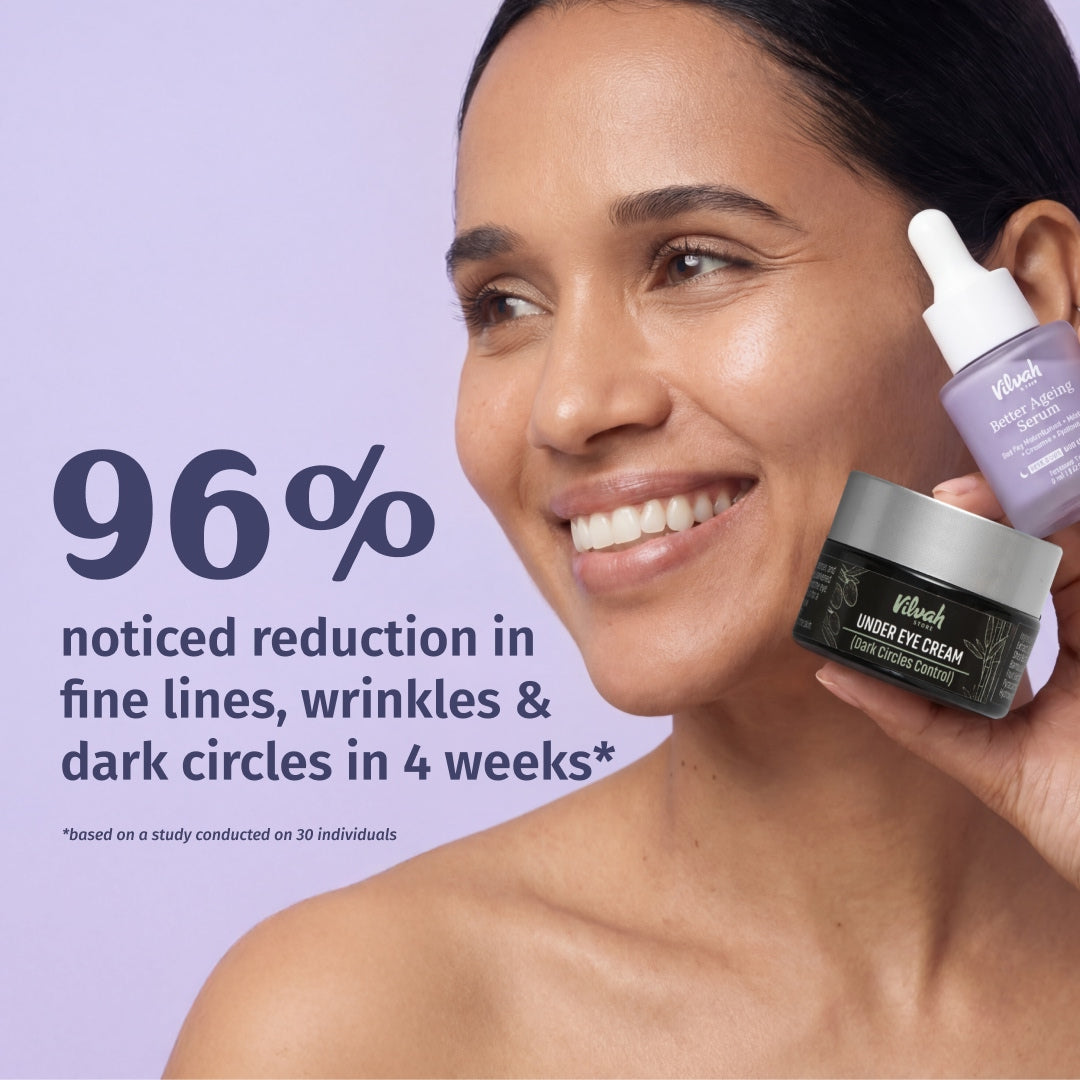
- Visibly Firmer Skin In 28 Days
- Brighter Under Eyes In 4 Weeks
- Reduces Wrinkles & Fine Lines
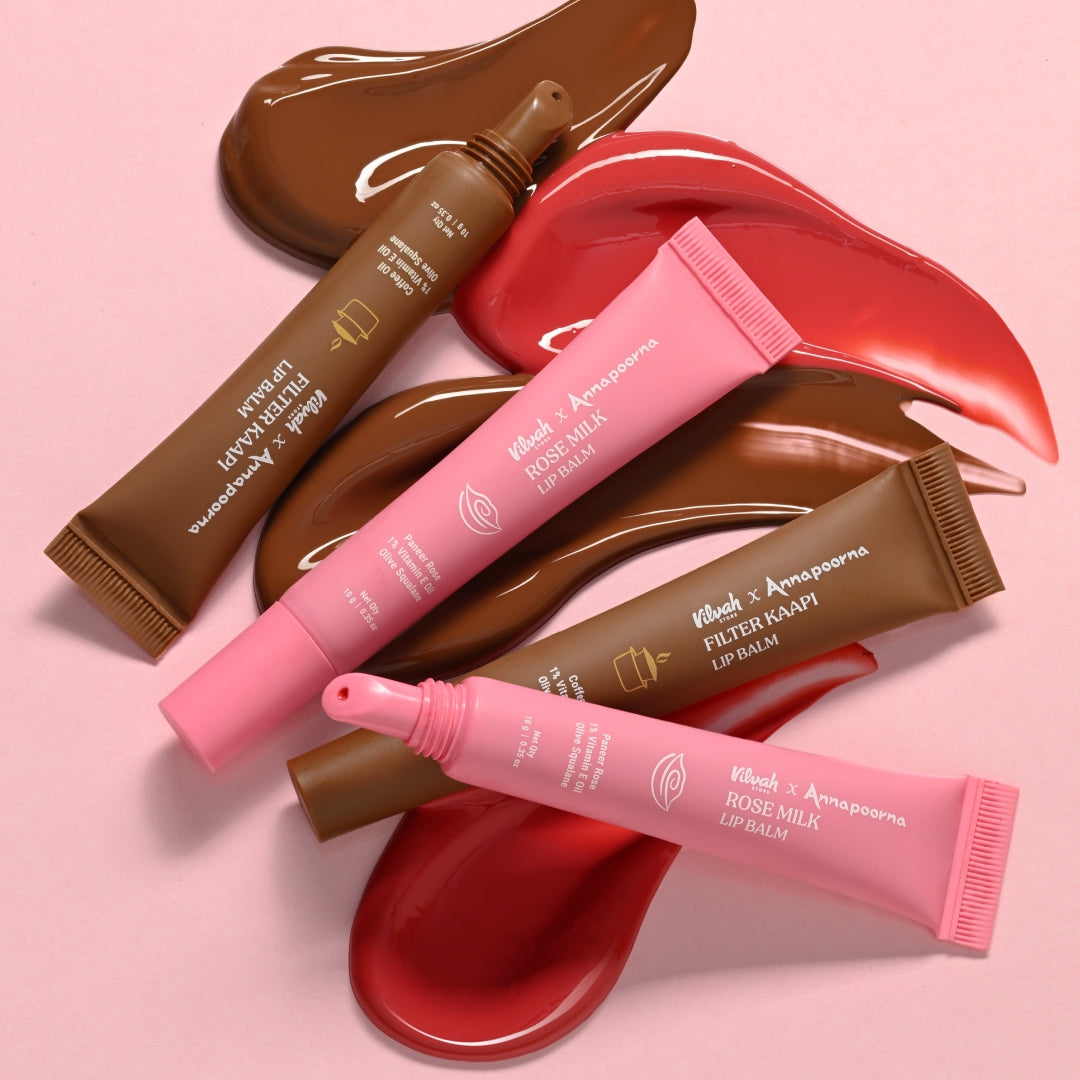
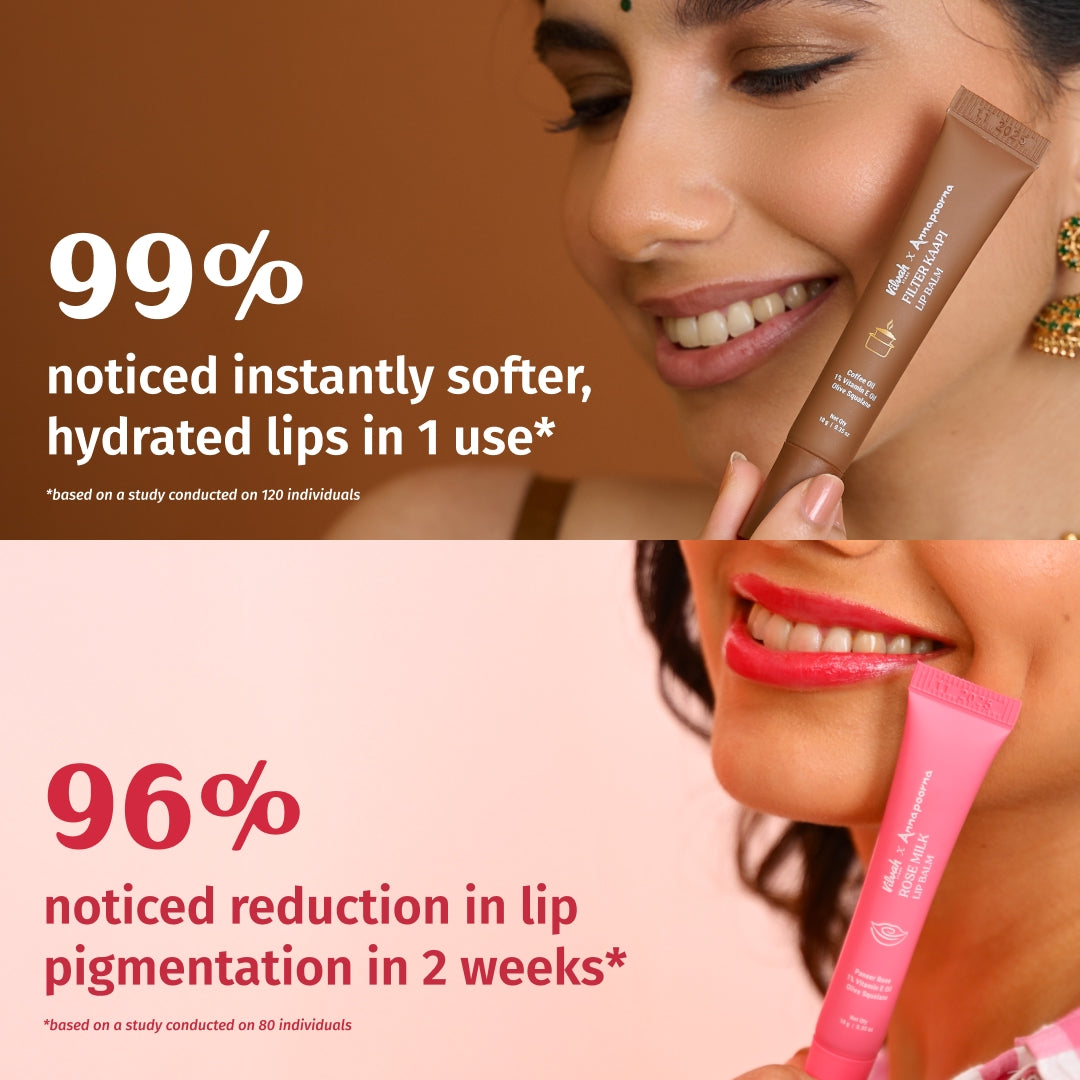
- Hydrates, Heals & Adds A Natural Tint
- Protects Against Dryness & Chapping
- 100% Natural, Toxin-Free & Safe
LIMITED EDITION


- Provides hydration for dry lips
- Leaves a subtle, natural tint
- Inspired by Annapoorna’s legendary flavors




Alfalfa for Hair Growth: Benefits, Uses & What You Need to Know
If you've been exploring newer ingredients for healthier, stronger-looking hair, you may have come across Alfalfa. Better known as a nutrient-rich plant and agricultural crop, alfalfa is now finding its way into modern hair and scalp care, particularly in formulations focused on supporting scalp health and hair growth.
But what is alfalfa, and what makes it interesting for hair care? Does eating alfalfa have the same benefits as using an alfalfa-based hair serum? And how does alfalfa hair growth care actually work?
This guide breaks down the science and skincare-to-haircare connection behind alfalfa, including its potential benefits, common uses, and how it fits into a modern hair-growth routine. We'll also look at Vilvah Hair Growth Serum, which contains 3% Alfalfa Callus Culture alongside Redensyl and other targeted actives.
By the end, you'll understand what alfalfa can and can't do for your hair, and why the form of alfalfa used in a product matters.
What is Alfalfa?
Alfalfa, scientifically known as Medicago sativa, is a flowering plant that has traditionally been used as a nutrient-rich food and botanical ingredient. It contains a variety of naturally occurring compounds, including proteins, minerals, vitamins and plant antioxidants.
In hair care, however, you may encounter a more specialised form: alfalfa callus culture.
What is Alfalfa Callus Culture?
Alfalfa callus culture is a plant-cell-derived ingredient produced by growing undifferentiated plant cells under controlled conditions. Instead of simply adding powdered or crushed alfalfa to a formulation, callus culture allows specific plant-derived compounds to be incorporated into targeted cosmetic formulations.
This distinction matters when you're reading a hair serum's ingredient list. "Alfalfa" isn't necessarily the same as "Alfalfa Callus Culture," and different forms can have different intended uses.
Quick answer: Alfalfa is a nutrient-rich botanical known as Medicago sativa. In modern hair care, alfalfa callus culture is a specialised plant-cell-derived ingredient used in formulations designed to support scalp and hair health.
Alfalfa Benefits for Hair: Why is it Used?
So, what are the potential alfalfa benefits when it comes to hair care?
Alfalfa is attracting interest because of its nutrient and antioxidant profile, while specialised alfalfa-derived cosmetic ingredients are being explored for their role in supporting the scalp environment.
1. Supports a Healthy Scalp Environment
A healthy scalp provides the foundation for healthy-looking hair. Alfalfa-derived ingredients can be incorporated into formulations designed to support scalp vitality and maintain a balanced scalp environment, preventing inflamed, infected, or itchy scalps.
2. Helps Support the Hair Growth Cycle
One of the reasons alfalfa has become interesting in modern hair-growth formulations is its potential role in supporting the conditions around the hair follicle.
However, it's important to keep expectations realistic: evidence for plant-derived ingredients can vary significantly depending on the specific extract, concentration, formulation and study design.
3. Provides Plant-Derived Antioxidant Support
Alfalfa contains naturally occurring antioxidant compounds. Antioxidants are commonly used in scalp care to help protect against oxidative stress caused by environmental factors.
4. Supports Healthier-Looking Hair
When combined with other targeted ingredients in a well-designed formula, alfalfa-derived ingredients can complement a broader approach to maintaining stronger, healthier-looking hair.
Alfalfa Hair Growth: Does it Actually Help?
This is probably the question you're really here for: does alfalfa help hair growth? The answer requires a little nuance.
Alfalfa has nutritional and botanical properties that make it an interesting ingredient for hair and scalp care, but you shouldn't treat alfalfa alone as a guaranteed hair-growth treatment. Research into plant-based hair-growth ingredients is growing, but the evidence isn't equally strong for every plant or every formulation. A recent review of plant-derived approaches to hair growth found that much of the existing research is still based on experimental and animal models, highlighting the need for stronger human clinical evidence.
This is why the formulation matters. A hair-growth serum that combines alfalfa-derived ingredients with other targeted actives may offer a more comprehensive approach than relying on alfalfa alone.
Why Alfalfa Callus Culture is Used in Vilvah Hair Growth Serum?
This is where alfalfa becomes particularly relevant to Vilvah Hair Growth Serum.
Vilvah's formula contains 3% Alfalfa Callus Culture, alongside 3% Redensyl and 3% Swiss Alpine Edelweiss Extract. The brand positions Alfalfa Callus Culture as an ingredient that supports scalp health and creates a healthier environment for hair growth.
Rather than making alfalfa the sole hero ingredient, Vilvah uses it as part of a multi-active formulation.
A Multi-Active Approach to Hair Growth
The serum combines:
3% Redensyl: Supports hair growth and the appearance of hair density.
3% Alfalfa Callus Culture: Supports scalp vitality and the scalp environment.
3% Swiss Alpine Edelweiss: Provides antioxidant support to reduce premature greys.
Rosemary Extract: Promotes microcirculation to hair follicles.
Bhringaraj: Included for scalp and follicle-focused care.
Hyaluronic Acid: Helps hydrate the scalp.
Hydrolysed Keratin & Panthenol: Help condition and strengthen the hair fibre.
Lactobacillus Ferment Lysate: Supports the scalp barrier and microbiome.
“Healthy-looking hair isn't just about one ingredient. It's about creating a supportive environment for both the scalp and the hair fibre.”
Alfalfa Uses: How is it Used in Hair Care?
The uses of alfalfa can differ depending on how it is processed and incorporated into a product.
1. In Nutritional Supplements
Alfalfa may be consumed as part of a diet or used in supplement products because of its nutritional profile. However, eating alfalfa should not be considered a direct substitute for a topical hair-growth treatment.
2. In Hair Care Products
Alfalfa-derived ingredients can be found in formulations designed for scalp nourishment and to reduce hair thinning due to an imbalanced scalp.
3. In Hair Growth Serums
Specialised forms such as alfalfa callus culture can be incorporated into leave-on scalp formulations alongside other targeted actives.
Important distinction: The benefits associated with consuming a nutrient-rich plant should not automatically be attributed to a topical cosmetic ingredient. The ingredient's form, concentration and intended function all matter.
How to Use an Alfalfa-Based Hair Growth Serum
If you're using an alfalfa-containing scalp serum, application and consistency matter.
Step 1: Apply to the Scalp
Part your hair and apply the recommended amount directly to the scalp, especially around areas where thinning is noticeable.
Step 2: Massage Gently
Use your fingertips to massage the serum into your scalp for a couple of minutes. Avoid aggressive rubbing.
Step 3: Leave It On
Vilvah Hair Growth Serum is designed as an overnight, leave-on treatment. The brand recommends applying up to one full pipette directly to the scalp, gently massaging for 2–3 minutes and leaving it overnight without rinsing.
Step 4: Stay Consistent
Vilvah recommends using the serum 4-7 nights a week. Hair growth follows a natural cycle, so consistency is more important than expecting instant results.
Alfalfa vs Other Hair Growth Ingredients
Alfalfa doesn't have to compete with other hair-growth ingredients. In fact, it can work as part of a broader formulation.
1. Alfalfa + Redensyl
Redensyl is used in hair-growth formulations to target processes associated with the hair follicle and growth cycle, while alfalfa callus culture can complement the formula with scalp-focused support.
2. Alfalfa + Rosemary
Rosemary is another popular botanical in scalp care. Rosemary is known to increase blood flow to follicles, thereby improving hair growth and thickness. Alfalfa can help by improving the scalp’s environment and promote healthy hair growth.
3. Alfalfa + Hydrating Ingredients
A well-hydrated scalp can be an important part of maintaining a comfortable scalp environment. Ingredients such as hyaluronic acid can complement botanical actives by supporting scalp hydration.
This multi-active approach is one of the reasons Vilvah Hair Growth Serum combines alfalfa with Redensyl, Rosemary, Edelweiss, Hyaluronic Acid, Keratin etc. and other complementary ingredients rather than relying on a single botanical.
Who Can Benefit From an Alfalfa-Based Hair Serum?
An alfalfa-containing hair-growth serum may be worth considering if you're looking to:
Support a consistent scalp-care routine
Address the appearance of hair thinning
Improve the appearance of hair density
Nourish and hydrate the scalp
Incorporate plant-derived actives into your hair care routine
However, if you're experiencing sudden, severe or patchy hair loss, a cosmetic serum shouldn't be your only step. Hair loss can have many underlying causes, and persistent concerns are best discussed with a dermatologist.
Conclusion: Is Alfalfa Worth Adding to your Hair Care Routine?
The growing interest in alfalfa hair growth care comes from a larger shift toward plant-derived, science-led hair formulations. Alfalfa's nutritional and botanical profile makes it an interesting ingredient, while specialised forms such as Alfalfa Callus Culture are finding a place in modern scalp-care products.
But the key takeaway is simple: alfalfa isn't a magic ingredient for hair growth. Its value depends on the form used, its concentration, the rest of the formulation and consistent application.
That's why Vilvah Hair Growth Serum takes a multi-active approach, combining 3% Alfalfa Callus Culture with 3% Redensyl, 3% Swiss Alpine Edelweiss and complementary scalp- and hair-supporting ingredients.
If you're looking to build a more targeted hair-growth routine, understanding individual ingredients is a great place to start. And when those ingredients work together in a thoughtfully formulated serum, your scalp gets more than just a single-ingredient solution, it gets a complete care routine designed around healthier-looking hair.
Frequently Asked Questions
1. What is Alfalfa?
Alfalfa is a plant scientifically known as Medicago sativa. It is naturally rich in various nutrients and plant compounds and is used in food, nutritional products and cosmetic formulations.
2. What are the benefits of Alfalfa for hair?
Potential alfalfa benefits in hair care include supporting scalp vitality and providing plant-derived antioxidant and conditioning support. However, the evidence for direct hair-growth effects depends on the specific alfalfa-derived ingredient and formulation.
3. Does Alfalfa help hair growth?
Alfalfa is an interesting botanical ingredient for scalp and hair care, but evidence for direct hair-growth benefits is still developing. It is better viewed as one component of a comprehensive formulation rather than a standalone hair-loss treatment.
4. What are the uses of Alfalfa in hair care?
Alfalfa uses in hair care include incorporation into scalp treatments, hair-growth serums and conditioning formulations. Specialised forms such as alfalfa callus culture are used in some modern cosmetic products.
5. Is Alfalfa present in Vilvah Hair Growth Serum?
Yes. Vilvah Hair Growth Serum contains 3% Alfalfa Callus Culture, alongside 3% Redensyl and 3% Swiss Alpine Edelweiss Extract. The formulation also includes Rosemary, Bhringaraj, Hyaluronic acid, Keratin, Panthenol and Lactobacillus ferment lysate.
6. Is alfalfa better than Redensyl for hair growth?
They serve different roles within a formulation. Redensyl is a targeted hair-growth active, while Alfalfa Callus Culture is positioned as a scalp-supporting ingredient. A multi-active formula can combine both rather than treating them as competing ingredients.
Read More →

Face Wash vs Cleanser: What's Actually Different, and Which One Does Your Skin Need
The short answer: there is no dermatological difference between a face wash and a cleanser. Both are surfactant-based products that lower surface tension on the skin to lift away sebum, dirt and dead cells. Dermatology sorts cleansers by their chemistry, not by the word on the bottle, into soaps, synthetic detergents and combars. The distinction that actually decides whether your skin feels tight or comfortable after washing is which surfactants are inside and how well the product rinses off, not whether the label says "face wash" or "cleanser."
"Face wash" and "cleanser" are marketing words, not product categories. The Indian Journal of Dermatology classifies cleansers into three real types: soaps (pH 9 to 10), syndet or synthetic detergent formulas (pH 5.5 to 7.0), and combars. Your skin's own surface sits at pH 4.0 to 6.0, which soap does not overlap and syndets do. Surfactant type and rinsability drive irritation more than pH does. For normal skin the choice matters less than the internet suggests; it starts to matter a lot if you have acne, sensitivity or dryness.
Is there any real difference between a face wash and a cleanser?
No. Both words describe the same thing: a surface-active product that emulsifies oil-soluble grime so water can carry it away. As the Indian Journal of Dermatology set out in its 2011 review of cleansers, most environmental impurities and cosmetic residues are not water-soluble, so washing with plain water cannot shift them. That is the entire job description, and both products do it.
In everyday Indian retail usage, "face wash" tends to mean something that foams and rinses off, and "cleanser" tends to mean something creamier or milkier that may or may not need water. That is a texture convention, not a rule. A creamy product can be labelled a face wash and a foaming one a cleanser, and frequently is.
The useful question is not which word is on the bottle. It is what is doing the cleaning, and how much of it your skin can tolerate twice a day.
How dermatology actually classifies cleansers: soaps, syndets and combars
The 2011 Indian Journal of Dermatology review divides cleansers into three basic types, and this is the classification worth learning.
Soaps are long-chain fatty acid alkali salts made by saponification, and they carry a pH between 9 and 10. Soap has existed as a cleanser for thousands of years, with soap-making recorded on Sumerian clay tablets around 2000 BC. Its subsets include glycerine or transparent bars, superfatted soaps carrying extra lipids like lanolin or paraffin, and deodorant soaps containing agents such as triclosan.
Syndets, short for synthetic detergents, use a non-soap synthetic surfactant such as fatty acid isethionates or sulfosuccinic acid esters as the principal ingredient. Because they are not made by saponification, their pH can be tuned. Syndets sit at a neutral to slightly acidic pH and do not leave a soap scum layer. The 2022 review in Molecules puts the syndet range at pH 5.5 to 7.0 against soap's 8.5 to 11.0.
Combars are alkaline soaps with surface-active agents added, still at pH 9 to 10. They are milder than true soaps but clean more aggressively than syndets do.
Beyond the three types there is the format variants: lipid-free cleansing lotions built on fatty alcohols that can be wiped off without water, liquid body washes using milder surfactants with more emollients, and cold creams combining a lipid solvent with detergent action from borax.
Vilvah's Milk Powder Face Wash is a syndet in powder form. Its surfactants are sodium cocoyl isethionate and sodium lauryl sarcosinate, both synthetic detergent surfactants, delivered in a waterless base of corn starch, rice powder and rice silk. The powder format is a delivery decision. The syndet chemistry is what determines how it behaves on skin.
Why surfactant type matters more than the word on the bottle
Surfactants are classed by the electrical charge on their water-loving head, and the class predicts both how hard a product cleans and how likely it is to irritate.
Anionic surfactants carry a negative charge, account for 70 to 75 percent of total worldwide surfactant consumption, and deliver the highest cleansing capacity and the best lather. They are also, per the 2022 Molecules review, generally considered as potential irritants. Sodium cocoyl isethionate and sodium lauryl sarcosinate both belong to this class.
That sounds alarming until you read the next part. Blending anionic surfactants with non-ionic and amphoteric secondary surfactants decreases their irritancy potential. This is why well-built formulas list several surfactants rather than one, and why a formula's total behaviour cannot be read off a single ingredient.
The evidence for soap being the genuine problem is direct. Under repeated washing, transmission electron microscopy showed significant damage to both the protein and lipid regions of the stratum corneum after using a soap bar, while skin washed with a syndet under identical conditions kept those regions well conserved. Measured immediately after washing, harsher soap drove a higher rate of water evaporation from the skin than milder syndets did. The 2022 Molecules review is careful to call these exaggerated laboratory conditions, so this is not a claim that one wash visibly damages your face.
The most reliable symptom to pay attention to is tightness. After-wash tightness is a real, named effect: a sensation felt 5 to 10 minutes after washing, caused by water evaporating rapidly from the skin surface. If your skin feels tight ten minutes after cleansing, the product was too harsh for you, whatever the bottle calls itself.
Does the pH of your cleanser actually matter?
Less than the internet insists, and this is where most face wash versus cleanser content gets it wrong.
The case for pH is real. Skin's own surface is acidic, sitting between 4.0 and 6.0 according to the 2022 Molecules review, or 4 to 6.5 in the Indian Journal of Dermatology's framing. Many dermatologists hold that keeping the skin at its physiological pH during cleansing prevents overgrowth of organisms such as Propionibacterium acnes. Above pH 8.0, skin proteins swell markedly, and alkaline conditions can ionise fatty acids in the lipid bilayers, destabilising them.
The case against overstating it is equally real and comes from the same Indian review, which calls the pH question controversial and notes that other researchers have found cleanser pH appears to have little effect on skin damage. That review ranks the drivers of irritation in order: surfactant type first, rinsability second, and pH a distant third.
So the honest position is this. Surfactant chemistry is the primary driver. Rinsability is second, because the longer a cleanser's residue sits on skin, the higher its irritancy potential. pH is a genuine but secondary and still-debated factor.
For reference, Vilvah's Milk Powder Face Wash measures pH 6.0 to 7.0 and the Cream Face Wash measures pH 5.5 to 5.8. Both sit far below soap's 9 to 10.
Face wash vs cleanser: how to choose by skin type and concern
Skin type or concern
What to look for
Why
Vilvah option
Normal, no complaints
Any mild syndet, twice daily
Cleanser choice matters least here
Milk Powder Face Wash, ₹499
Oily, visible shine
Syndet with oil-absorbing base, medium foam
Removes sebum without stripping
Oil Control Combo, ₹899
Acne-prone
Fragrance-free, good rinsability, non-comedogenic
Rinsability outranks foam
Honey Fix Face Wash
Dry, flaky, tight
Creamy texture, amino-acid or non-ionic surfactants
Lower irritancy, less lipid removal
Cream Face Wash, ₹440
Sensitive, reacts easily
Mildest available, fragrance-free
Lower irritant threshold
Cream Face Wash, ₹440
Teenage skin
Mild, talc-free, no vigorous scrubbing
Barrier is still maturing
Milk Powder Face Wash, ₹499
For acne-prone skin specifically, the Indian Journal of Dermatology sets a narrow brief: the ideal cleanser is non-comedogenic, non-acnegenic, non-irritating and non-allergenic, and a fragrance-free formula with good rinsability is preferred. The same review names the most common mistake directly. Vigorous scrubbing with soap several times a day does not reduce oiliness. It aggravates acne, and can cause acne detergicans.
Vilvah's Honey Fix Face Wash is the breakout-facing option in the range. For dry and sensitive skin, the Cream Face Wash uses disodium cocoyl glutamate, an amino-acid-derived surfactant, alongside non-ionic coco-glucoside, with banana fruit extract and coconut milk extract.
How to read a cleanser label in 30 seconds
Skip the front of the pack entirely. The claims there are unregulated in the way that matters. Go to the ingredient list and work through four checks.
Find the surfactants. They usually sit in the first five ingredients. Names containing "cocoyl," "sarcosinate," "isethionate," "glutamate," "glucoside" or "betaine" are synthetic or plant-derived detergent surfactants. Names reading "sodium tallowate," "sodium palmate," "sodium cocoate" or "sodium laurate" are soap, which means an alkaline pH in the 8.5 to 11.0 range.
Count how many there are. A single anionic surfactant doing all the work is harsher than a blend. Non-ionic and amphoteric surfactants added alongside an anionic one measurably reduce its irritancy, so a list of three or four surfactants is often a mildness signal rather than a red flag.
Look for the pH on the pack or the product page. Anything stated between roughly 5 and 7 is in syndet territory. If no pH is published anywhere, that is worth noting.
Check for fragrance. Allergic contact dermatitis to fragrances, preservatives and dyes in cleansers is a documented adverse effect, and fragrance-free is the standing recommendation for acne-prone, sensitive and atopic skin.
What cannot be fixed even with the right cleanser
This is the part most brand content leaves out, so it is worth stating plainly.
If your skin is healthy, the format matters far less than you have been told. The Indian Journal of Dermatology is explicit that for normal skin, choosing a particular cleanser is less important than it is for people managing atopic dermatitis, acne vulgaris, rosacea, photoaging, occupational dermatosis or sensitive skin. Switching from one mild cleanser to another mild cleanser will not transform normal skin.
A cleanser also will not treat a skin condition. Across both reviews, cleansers are positioned as adjuncts used alongside topical therapy, never as the therapy. If you are managing acne, eczema or rosacea, the cleanser's job is to avoid making treatment harder, not to replace it.
And no powder cleanser has been shown to outperform a liquid one in any head-to-head clinical comparison. The dermatology literature compares surfactant chemistry, not physical format. Powder formats have real merits, including water-free formulation and dose control, but "powder is better" is not an evidence-backed claim and we are not going to make it.
What to do after you cleanse
Cleansing removes; the next steps replace. Follow with a moisturiser while skin is still slightly damp, then sunscreen in the morning.
Vilvah's Ultra Moisturising Cream (₹790, 50ml, pH 5) is made with olive squalane and glycerine and is formulated without silicones and alcohol. For anyone dealing with the after-wash tightness described earlier, applying moisturiser promptly is the single most effective correction, because that tightness is water leaving the skin surface.
Frequently asked questions
1. Is a cleanser better than a face wash for dry skin?
Not because of the word. What helps dry skin is a formula with lower-irritancy surfactants, good rinsability and added emollients or humectants, and creamy or lipid-free products more often carry those properties than high-foaming ones do. The Indian Journal of Dermatology recommends that people with xerotic or dry skin use cleansing agents that do not cause further dryness and that ideally contain humectants or emollients. Vilvah's Cream Face Wash (₹440, 100ml, pH 5.5 to 5.8) is built for exactly this, using disodium cocoyl glutamate and coco-glucoside rather than a high-foaming anionic base. But a creamy product built badly will still strip your skin, and a foaming syndet built well will not.
2. Do I need both a cleanser and a face wash?
For most people, no. One well-chosen cleanser used twice daily covers ordinary needs. The genuine case for two products is when your evening routine has to remove something the morning one does not, such as heavy sunscreen or long-wear makeup, in which case an oil or lipid-based first step followed by your regular cleanser makes sense. Owning two products labelled differently but built on similar chemistry achieves nothing. Before buying a second cleanser, check whether the two ingredient lists actually differ in surfactant type.
3. Why does my face feel tight after washing?
That sensation is after-wash tightness, and it is a documented effect rather than a feeling you are imagining. It appears 5 to 10 minutes after washing and is caused by water evaporating rapidly from the skin surface, creating differential stress in the stratum corneum. Harsh surfactants make it worse by binding to skin proteins, reducing their water-holding capacity, and removing natural moisturising factor components. The fix is twofold: move to a milder syndet formula, and apply moisturiser promptly rather than waiting. If tightness persists after switching to a mild cleanser and moisturising, that is worth raising with a dermatologist, because it can point to a compromised barrier rather than a product problem.
4. Is soap bad for the face?
Soap sits at pH 9 to 10, well outside skin's own 4.0 to 6.0, and under repeated laboratory washing it produced measurable damage to both the protein and lipid regions of the stratum corneum where a syndet did not. Soap also removes more cholesterol from the skin than a syndet does, and disrupts the skin's resident microflora, since acidic pH keeps beneficial bacteria attached while alkaline pH promotes their dispersion. That said, these were exaggerated test conditions using multiple washes. Occasional use of a soap bar is not going to ruin your face. As a twice-daily facial cleanser for years, a syndet is the better-evidenced choice.
5. Does a powder face wash work differently from a liquid one?
The powder format changes how the product is stored and dosed, not how it cleans. Vilvah's Milk Powder Face Wash is manufactured without water and activates when you mix roughly half a teaspoon with water in your palm, producing a medium foam. Its cleaning is done by sodium cocoyl isethionate and sodium lauryl sarcosinate, the same class of syndet surfactants used in liquid formulas. The practical advantages are that a waterless formula needs less preservative load and that you control the dose each time.
6. How many times a day should I wash my face?
Twice daily suits most skin, morning and night, with an extra rinse after heavy sweating. Washing more than that is the single most common self-inflicted problem in acne-prone skin. Vigorous scrubbing with soap several times a day does not reduce oiliness, aggravates acne, and can cause acne detergicans, a form of acne triggered by the cleansing itself. If your skin feels oily again two hours after washing, that is not a signal to wash again. It is usually a signal that the cleanser stripped the skin and it overcorrected.
7. Can I use the same cleanser all year in India?
Usually yes, with one adjustment. The surfactant system that suits your skin does not change with the season, but skin's tolerance does. Cold weather and low humidity aggravate the dryness, scaling and roughness that cleansers can cause, so through a dry winter you may want to cut back to once-daily cleansing at night and rinse with plain water in the morning. Through humid months, the same cleanser used twice daily is generally appropriate. Changing your moisturiser weight is a more useful seasonal adjustment than changing your cleanser.
Sources
Mukhopadhyay P. Cleansers and Their Role in Various Dermatological Disorders. Indian Journal of Dermatology, Jan-Feb 2011. https://pmc.ncbi.nlm.nih.gov/articles/PMC3088928/
Mijaljica D, Spada F, Harrison IP. Skin Cleansing without or with Compromise: Soaps and Syndets. Molecules, 21 March 2022. https://pmc.ncbi.nlm.nih.gov/articles/PMC8954092/
Read More →

Hair Serum Benefits: The Missing Step in Your Hair Care Routine
Your hair care routine probably has the usual suspects: shampoo, conditioner, maybe a hair mask or oil. But there is one step that often gets overlooked: A hair serum.
But why exactly do you need to add a serum to your hair routine? Depending on the formulation, a hair serum can help address concerns such as frizz, dryness, roughness, breakage, or even scalp and hair-growth concerns. Unlike rinse-off products, leave-in serums stay on the hair or scalp, allowing their ingredients to work for longer. Hair serums designed for the scalp are also different from styling serums meant for the lengths and ends, so choosing the right type matters.
This guide breaks down the key hair serum benefits, explains the benefits of applying hair serum, and shows you how to make a serum part of your everyday routine. If hair fall or thinning is your primary concern, we'll also look at how a targeted formula such as Vilvah’s Hair Growth Serum can fit into your scalp-care routine.
By the end, you'll know what a hair serum actually does, how to use one correctly, and whether it's the missing step your hair has been waiting for.
What is a Hair Serum?
A hair serum is a lightweight, leave-in solution formulated to target specific hair or scalp concerns. However, not every serum does the same job.
1. Hair Serums for Hair Lengths
Traditional hair serums are usually designed for the hair shaft. They can help smooth the cuticle, control frizz, add shine, improve manageability, and reduce friction-related breakage.
2. Scalp & Hair Growth Serums
Scalp serums are formulated differently. They are designed to be applied directly to the scalp and may contain targeted actives intended to support scalp health and hair growth.
Quick answer:A hair serum is a leave-in solution that targets specific hair or scalp concerns, from frizz and dryness to hair thinning and scalp care, depending on its formulation.
Hair Serum Benefits You Should Know
Adding the right serum to your routine can give your hair care a more targeted approach. Here are some of the biggest benefits of using hair serum:
1. Helps Manage Frizz and Flyaways
Humidity, dryness and damaged cuticles can leave hair looking rough and unruly. A smoothing hair serum can help coat the hair fibre, making strands look smoother, frizz-free and more polished.
2. Adds Softness and Shine
One of the most immediate hair serum benefits is improved appearance. The right formula can help smooth the surface of the hair, giving it a softer feel and healthier-looking shine.
3. Helps Lock in Moisture
Hair that lacks moisture can feel dry, coarse and difficult to manage. Depending on its ingredients, a serum can help seal in moisture and prevent the hair from feeling excessively dry.
4. Makes Hair Easier to Manage
Tangles and rough strands can make everyday styling frustrating. A leave-in serum can improve slip and manageability, making combing and styling easier.
5. Helps Protect Hair From Everyday Stressors
Hair is exposed to heat, humidity, pollution, friction and styling every day, causing breakage. A suitable serum can act as an additional protective layer, particularly when formulated with ingredients designed for heat or environmental protection.
6. Can Support a Targeted Scalp-Care Routine
If your concern is hair fall or hair thinning rather than frizz, choose a serum specifically formulated for scalp use. Targeted scalp serums can deliver active ingredients directly where they're intended to work.
Benefits of Applying Hair Serum for Hair Growth
If you're specifically looking for a hair growth serum, the goal is different from that of a styling serum:
Supports the Scalp Environment
Healthy-looking hair starts at the scalp. A targeted serum can complement a consistent scalp-care routine by delivering selected active ingredients directly to the scalp.
Targets Hair Fall and Thinning Concerns
Hair-growth serums are formulated around ingredients intended to support the hair growth cycle and increase hair density over time. Results depend on the formulation, underlying cause of hair loss and consistency of use.
Supports Healthier-Looking Hair Over Time
Hair growth isn't an overnight process. Clinical research on certain multi-active topical hair serums has reported improvements in measures such as hair growth, density and thickness over periods of weeks to months, reinforcing the importance of consistent use and realistic expectations.
Why Choose a Targeted Hair Growth Serum?
Not all hair serums are meant to be used in the same way. If your main concern is frizz, you need a styling serum. If you're concerned about thinning or hair fall, a scalp-focused hair growth serum makes more sense.
Look for Targeted Actives
Ingredients such as Redensyl are increasingly used in hair-growth formulations. Research reviews describe Redensyl as a blend designed to interact with biological pathways involved in the hair follicle and growth phase, although evidence varies by formulation and study design.
Look Beyond a Single Ingredient
A thoughtfully formulated hair growth serum can combine complementary actives rather than depending on one ingredient alone. This is the approach taken by Vilvah’s Hair Growth Serum, which combines Redensyl with other hair-growth actives in a leave-on scalp formula.
Consider Clinical Evaluation
Today's consumers are increasingly interested in products supported by testing rather than simply bold marketing claims. When evaluating a hair-growth product, look for transparent information about its formulation, testing and intended use.
How Vilvah’s Hair Growth Serum Fits Into Your Routine
If hair fall or thinning is your primary concern, Vilvah’s Hair Growth Serum is designed to make scalp care a simple, consistent part of your routine.
Its formulation combines Redensyl with complementary hair-growth actives, taking a multi-active approach rather than relying on one ingredient. The serum is designed for direct scalp application, making it easy to incorporate between your regular wash days.
Vilvah has also positioned the product around clinical evaluation, with the serum registered with the Clinical Trials Registry of India (CTRI). This focus on testing and validation aligns with the growing consumer preference for evidence-backed hair care.
The important takeaway?
“A hair growth serum isn't a replacement for understanding why you're experiencing hair fall. Instead, it can be one part of a consistent scalp-care routine.”
How to Use Hair Serum Correctly
Getting the application right can make your routine much more effective.
Step 1: Start With a Clean Scalp
Apply a scalp serum to a clean, dry or appropriately prepared scalp according to the product directions. Avoid confusing a scalp serum with a styling serum, traditional hair serums are generally intended for the lengths and ends.
Step 2: Apply Directly to the Scalp
Part your hair into sections and apply the recommended amount directly to areas of concern.
Step 3: Massage Gently
Use your fingertips to distribute the serum evenly across the scalp. Avoid aggressive rubbing or scratching.
Step 4: Leave It On
A leave-on scalp serum should generally be allowed to absorb rather than rinsed out, unless the product instructions say otherwise.
Step 5: Stay Consistent
This is perhaps the most important step. Hair growth takes time, so don't expect dramatic changes after a few applications. Follow the recommended usage consistently and assess results over an appropriate period.
Hair Serum Use and Benefits: Common Mistakes to Avoid
Even a good serum won't deliver its intended benefits if it's used incorrectly.
1, Using a Styling Serum on the Scalp
A styling serum and a scalp serum aren't interchangeable. Always check where the product is intended to be applied.
2. Using Too Much Product
More serum doesn't automatically mean better results. Follow the recommended quantity to avoid unnecessary buildup or a greasy scalp.
3. Expecting Overnight Hair Growth
Hair follows a natural growth cycle. Give targeted hair-growth products sufficient time and maintain consistent use.
4. Ignoring the Underlying Cause of Hair Fall
Persistent or sudden hair loss can have many causes, including nutritional deficiencies, hormonal changes, stress, genetics and medical conditions. A serum may complement a routine, but it shouldn't replace professional evaluation when hair loss is significant or persistent.
Hair Serum vs Hair Oil: Which One Should You Use?
Hair oil and hair serum aren't necessarily competing products, they serve different purposes.
Hair oils are often used for conditioning, nourishment and scalp or pre-wash routines, depending on the oil and method of application.
Hair serums are usually lightweight leave-in formulas designed for targeted concerns. A styling serum may focus on smoothness and shine, while a scalp serum may focus on specific scalp or hair-growth concerns.
The right choice ultimately depends on your hair type, scalp condition and what you're trying to address.
The Bottom Line: Is Hair Serum the Missing Step?
Your hair care routine doesn't have to contain ten different products. It just needs the right products for your specific concerns.
If you're dealing with frizz, dryness or dull-looking lengths, a styling serum can provide that extra layer of smoothness, shine and manageability. If your concern is hair fall or thinning, a targeted scalp serum can add a more focused step to your routine.
That's where understanding the hair serum use and benefits becomes important. Rather than adding a serum simply because it's trending, choose one based on what your scalp and hair actually need.
For those looking to address hair-growth concerns, Vilvah’s Hair Growth Serum offers a targeted, multi-active approach featuring Redensyl and complementary hair-growth ingredients. Used consistently as part of a thoughtful scalp-care routine, it can be a practical addition to your everyday hair care.
Conclusion
The biggest hair serum benefits come from choosing a formula that matches your hair concern and using it consistently. From smoothing frizz and adding shine to supporting a targeted hair-growth routine, a serum can fill the gap between basic cleansing and more intensive hair care.
Think of it as your routine's ‘cherry on top’: shampoo cleanses, conditioner softens, and the right serum gives your hair or scalp targeted care.
If hair fall and thinning are what you're trying to address, consider making a dedicated scalp serum part of your routine. With Vilvah’s Hair Growth Serum, you can bring targeted actives such as Redensyl into your daily scalp care, because sometimes, the missing step isn't another product. It's the right one.
Frequently Asked Questions About Hair Serum Benefits
1. Is hair serum good for hair?
Yes, the right hair serum can help address concerns such as frizz, dryness, shine, manageability or scalp care, depending on its formulation. The key is choosing a serum designed for your specific concern.
2. What are the main hair serum benefits?
Common benefits include smoother-looking hair, improved shine and manageability, moisture retention, frizz control and protection from certain everyday stressors. Hair-growth serums may additionally target scalp and hair-density concerns.
3. What are the benefits of applying hair serum regularly?
Consistent application helps you maintain the intended benefits of a leave-in formula. For hair-growth serums, regular use is particularly important because changes in hair growth and density take time.
4. Can hair serum help with hair fall?
A hair-growth serum formulated with targeted actives may help support healthier-looking hair and hair density. However, hair fall has many possible causes, so persistent or sudden shedding should be evaluated by a healthcare professional.
5. Can I use a hair serum every day?
It depends on the product. Some serums are designed for daily use, while others may have different recommendations. Always follow the instructions provided with your specific serum.
6. Is hair serum applied to the scalp or hair?
It depends on the type of serum. Styling serums are generally applied to the lengths and ends, while scalp or hair-growth serums are specifically formulated for direct scalp application.
7. How long does a hair growth serum take to work?
Hair growth is gradual, and results vary by person and formulation. Clinical studies of topical hair-growth formulations have assessed outcomes over periods ranging from around two to six months, so consistency and patience are important.
Read More →

Premature Grey Hair: Why It Happens Young and How to Slow It Down
Hair greys when the pigment cells in the follicle stop producing melanin, and the leading explanation is oxidative stress. Producing melanin generates hydrogen peroxide, and when the follicle's antioxidant defences fall behind, that peroxide builds up and disables tyrosinase, the enzyme melanin depends on. Smoking, emotional stress, alcohol and B12 deficiency all raise that oxidative load. Antioxidant support, nutrition and scalp care are where the leverage sits.
What "premature" actually means
Greying is a normal part of aging. It is called premature when it starts unusually early for your population group.
Published dermatology reviews classify greying as premature when it appears before age 20 in Caucasians and before age 30 in Africans. Thresholds vary between populations, which is why a single universal number does not exist.
Most premature greying appears without any underlying disease and is inherited, commonly in an autosomal dominant pattern. If your parents greyed at 25, your odds shift.
The biology: why pigment cells stop working
Hair colour comes from melanin, produced inside organelles called melanosomes by cells called melanocytes sitting in the hair bulb. The rate-limiting enzyme in that process is tyrosinase.
Here is the part that explains everything else. Making melanin is chemically violent work. The hydroxylation of tyrosine and the oxidation of DOPA into melanin generate large quantities of reactive oxygen species, and some follicles keep this up for as long as ten years continuously.
A healthy follicle mops those species up with an antioxidant system, principally the enzyme catalase. When that system falls behind, the follicle starts poisoning itself with its own by-products.
Research by Wood and colleagues demonstrated this directly. Human white scalp hair shafts accumulate hydrogen peroxide at millimolar concentrations, with almost no catalase or methionine sulfoxide reductase protein present in the grey follicle.
The consequence is precise. That peroxide oxidises a methionine residue at position 374, sitting in the active site of tyrosinase itself. Damage the enzyme and melanin production stops. The hair keeps growing. The colour does not come with it.
Separate work by Daulatabad and colleagues confirmed that catalase expression and hydroxyl radical scavenging activity are strongly repressed in unpigmented follicles.
There is a second layer. Research by Nishimura and colleagues suggests greying is driven by failed self-maintenance of melanocyte stem cells rather than by the working pigment cells alone, which is why the process tends to be permanent once a follicle turns.
What raises the oxidative load
If oxidative stress is the mechanism, anything that increases it is a lever you can pull.
Smoking. Studies show a significant correlation between smoking and premature hair greying, explained by the pro-oxidant effect of smoking increasing reactive oxygen species damage to follicle melanocytes.
Emotional stress and alcohol. A study of young adults in Turkey found premature greying closely related to oxidative-stress factors including emotional stress, alcohol consumption and chronic disease in genetically predisposed men and women.
Vitamin B12 deficiency. Around 55% of patients with pernicious anaemia had greying before the age of 50, compared with 30% in controls.
Thyroid and autoimmune conditions. Premature greying has been linked to the cluster of autoimmune disorders seen alongside vitiligo, including autoimmune thyroid disease.
UV and pollution. Both raise oxidative stress at the scalp. Animal work has shown UV radiation causing oxidative damage to hair follicles and producing greying.
If you are greying early and fast, a blood panel covering B12, thyroid function and ferritin is a sensible first step. A doctor is the right person to read those results.
Grey hair also behaves differently
This surprises people. Grey hair is not just uncoloured hair.
Grey and white hairs show increased cysteic acid and decreased cystine, greater sensitivity to weathering, and more reactivity to reducing and oxidising agents. That is why grey hair feels coarser, resists holding a set, and takes colour badly.
White beard hair has been measured growing up to four times faster than the pigmented hair beside it.
The practical takeaway is that greying hair needs gentler handling than the rest of your head, not the same routine plus dye.
What actually helps
Reduce the oxidative load you control. Stopping smoking is the highest-value single change in the whole evidence base. Managing stress and moderating alcohol follow.
Fix the deficiencies. B12 in particular has a documented association. Get tested rather than guessing at supplements.
Protect the scalp from UV. Hats and shade are unglamorous and they work.
Support the scalp's antioxidant environment topically. Since the mechanism is a failure of antioxidant defence at the follicle, antioxidant support at the scalp is the logical place for a topical to act.
Treat the hair you have gently. Sulphate-free, pH-balanced cleansing keeps a barrier that is already changing from getting further stressed.
One honest note on expectations. Once a follicle has turned, the evidence points to melanocyte stem cell loss, which means restoring colour to that specific hair is not something a topical product does. The goal is protecting the follicles still producing pigment.
Antioxidant support in the Vilvah Hair Growth Serum
The Vilvah Hair Growth Serum is built around antioxidant botanicals sitting where the oxidative load is highest.
3% Swiss Alpine Edelweiss extract, an alpine botanical known for antioxidant activity that helps neutralise free radicals at the scalp. 3% Redensyl, whose two molecules include an epigallocatechin gallate derivative from green tea, one of the better-studied plant polyphenols. Rosmarinus officinalis (Rosemary) leaf extract, the first ingredient in the formula, which carries rosmarinic and carnosic acids alongside its support for microcapillary perfusion at the follicle. 3% Alfalfa callus culture for scalp vitality and pH balance.
The serum also carries Bhringaraj extract, hyaluronic acid for overnight scalp hydration, hydrolysed keratin and panthenol for the fibre, and Lactobacillus ferment lysate to support the scalp microbiome and barrier.
It absorbs into an Aloe vera leaf water base with no greasy residue, needs no rinse, and suits colour-treated and chemically treated hair, which matters if you are already colouring greys.
How to use: one full dropper to the scalp, massage two to three minutes, leave overnight. Four to seven nights a week.
Pair it with the Vilvah Goat Milk Shampoo, sulphate-free at pH 6 with Ceramide NG and Ceramide NP, or take both together in the Vilvah Hair Growth Combo at ₹1,499.
Frequently asked questions
What causes white hair at a young age?
Genetics set the baseline, and oxidative stress drives the process. Melanin production itself generates hydrogen peroxide, and when the follicle's antioxidant defences fall behind, that peroxide disables tyrosinase, the enzyme melanin depends on. Smoking, emotional stress, alcohol and vitamin B12 deficiency all raise that load.
Can premature grey hair be reversed?
Research points to loss of melanocyte stem cells in follicles that have already turned, so restoring colour to those specific hairs is not something a topical achieves. Reducing oxidative load and supporting the scalp protects the follicles still producing pigment.
Does stress really cause grey hair?
A study of young adults found premature greying closely associated with emotional stress alongside alcohol consumption and chronic disease in genetically predisposed people. The proposed pathway is increased oxidative load.
Which vitamin deficiency causes white hair?
Vitamin B12 has the clearest documented link. Around 55% of pernicious anaemia patients greyed before 50 compared with 30% of controls. Thyroid function is also worth checking.
Does plucking a grey hair make more grow back?
No. Each follicle produces its own hair independently. Plucking damages the follicle without affecting its neighbours.
Sources
Kumar AB, et al. Premature Graying of Hair: Review with Updates. International Journal of Trichology. pmc.ncbi.nlm.nih.gov/articles/PMC6290285
Trüeb RM. Oxidative Stress in Ageing of Hair. International Journal of Trichology. 2009;1:6-14. pmc.ncbi.nlm.nih.gov/articles/PMC2929555
Read More →

Rosemary for Hair Growth: What the Research Actually Shows
One randomised comparative trial of 100 people found rosemary oil produced a significant increase in hair count at six months, with no significant difference from minoxidil 2%. Nothing measurable happened at the three-month mark in either group. Rosemary works by supporting microcapillary perfusion at the follicle, and the format you use it in decides whether it stays on your scalp long enough to matter. The Vilvah Hair Growth Serum carries Rosmarinus officinalis leaf extract as its first ingredient in a leave-in overnight base.
The study everyone quotes, quoted properly
The trial is Panahi and colleagues, published in Skinmed in 2015. It is a randomised comparative trial, and it remains the most cited piece of human evidence on rosemary and hair.
Here is what it actually did. One hundred patients with androgenetic alopecia were randomly assigned to either rosemary oil (50 people) or minoxidil 2% (50 people), applied twice daily for six months. Standardised microphotographic assessment was taken at baseline, at three months and at six months.
At three months, nothing. Neither group showed a significant change in mean hair count.
In six months, both groups improved. Both rosemary oil and minoxidil 2% showed a significant increase in hair count compared with baseline and with the three-month measurement.
No significant difference between the two groups at either the three-month or six-month point.
On tolerability, scalp itching rose in both groups compared with baseline. Itching was significantly more frequent in the minoxidil group at both assessment points. Dry hair, greasy hair and dandruff showed no significant change in either group.
The number that actually changes your behaviour
Three months of twice-daily application produced no measurable result. Six months did.
That single finding is worth more than every "rosemary transformed my hair in 30 days" video on the internet. Hair grows in cycles, and a follicle re-entering its growth phase does not deliver visible density for months. Anyone abandoning rosemary at week eight is quitting before the study's own timeline had produced anything.
Two honest limits worth carrying with the headline. This is one trial with 100 participants. It compared rosemary against minoxidil 2%, not against the 5% formulation, and it studied androgenetic alopecia specifically rather than every kind of hair fall.
How rosemary works on the scalp
The mechanism the research points to is microcapillary perfusion. Rosemary supports blood flow through the small vessels feeding the hair follicle.
A follicle is metabolically demanding tissue. It needs a steady supply of oxygen and nutrients to sustain its growth phase, and that supply arrives through a dense capillary network at the base of the follicle. Improve perfusion and you improve the delivery system the follicle depends on.
Rosemary also carries rosmarinic acid and carnosic acid, polyphenols with antioxidant activity that help buffer the scalp against oxidative stress.
Rosemary oil, rosemary water, rosemary extract: which format
This is where most people go wrong, and it has nothing to do with rosemary itself.
Rosemary essential oil is the format the trial used. It is potent, and it needs diluting in a carrier oil before it touches the scalp. Undiluted essential oil can be irritating. It also sits greasy, which means most people wash it out, and washing out an active shortens its contact time with the follicle.
Rosemary water has become popular because it is easy to make at home. It is also the weakest format by a distance. Boiling rosemary in water extracts very little of the active compounds, and homemade batches carry a real contamination risk once they sit at room temperature for a few days.
Rosemary leaf extract is the format used in formulated leave-in products. The plant compounds are extracted under controlled conditions, standardised, and suspended in a base designed to absorb into the scalp rather than coat the hair. No dilution step, no carrier oil, no rinse.
The format question comes down to contact time. An active that gets washed off in the morning has a few hours to work. An active that absorbs and stays on all night, every night.
How to use rosemary for hair growth
Apply to the scalp, not the lengths. Rosemary works on the follicle. Coating your hair does nothing for growth.
Massage for two to three minutes. The massage supports circulation, which is the mechanism you are trying to activate.
Use it consistently. Four to seven nights a week beats a heroic weekend routine.
Give it six months. The research says results arrive between month three and month six. Judge it then.
If you use essential oil, dilute it. A carrier oil is not optional with an undiluted essential oil.
Rosemary in the Vilvah Hair Growth Serum
Most hair serums open their ingredient list with Aqua. The Vilvah Hair Growth Serum opens with Rosmarinus officinalis (Rosemary) leaf extract, which means rosemary is the largest part of the formula rather than the tenth thing on a label.
Rosemary is not working alone in it. The serum carries three disclosed actives at 3% each. 3% Redensyl for follicle activity and density. 3% Alfalfa callus culture for scalp vitality and pH balance. 3% Swiss Alpine Edelweiss extract, an alpine antioxidant that helps shield pigment-producing melanocytes from free radical stress.
Bhringaraj extract works alongside rosemary on follicle support. Hyaluronic acid holds scalp hydration overnight, hydrolysed keratin and panthenol condition the fibre, and Lactobacillus ferment lysate supports the scalp microbiome and barrier.
The base is Aloe vera leaf water rather than a carrier oil, so the serum absorbs without residue and needs no rinse in the morning. It stays Minoxidil-free, suits colour-treated and chemically treated hair, works on oily and dandruff-prone scalps, and is designed for anyone above 18.
The Vilvah Hair Growth Serum was tested with more than 1,000 Indian users before launch and filed for a patent. Across that study, hair fall reduced considerably at around four to six weeks, with noticeable growth and improved density by two months.
How to use it: one full dropper to the scalp, massage two to three minutes, leave overnight, no rinse. Four to seven nights a week.
Building the routine
An overnight scalp treatment is only half the job. What you wash with in the morning decides whether the scalp barrier holds.
The Vilvah Goat Milk Shampoo is sulphate-free at pH 6, with Ceramide NG and Ceramide NP for barrier strength, hydrolysed pea protein for frizz, and goat milk fatty acids for moisture.
The Vilvah Hair Growth Combo pairs the 30 mL serum with the 250 mL Goat Milk Shampoo at ₹1,499.
For the wider picture, see our guides on hair thinning causes and healthy hair growth.
Frequently asked questions
Does rosemary actually help hair growth?
The published evidence comes from a randomised comparative trial of 100 people, which found a significant increase in hair count at six months of twice-daily rosemary oil application, with no significant difference from minoxidil 2%.
How long does rosemary take to work on hair?
The trial measured no significant change at three months and a significant increase at six months. Plan for months, not weeks.
Is rosemary oil better than minoxidil?
The trial found no significant difference in hair count between rosemary oil and minoxidil 2% at either three or six months. It did find scalp itching was significantly more frequent in the minoxidil group. The study did not compare rosemary against minoxidil 5%.
Is rosemary water as good as rosemary oil?
Homemade rosemary water extracts far less of the active compounds than an oil or a standardised extract, and it carries a contamination risk once stored. A formulated leave-in serum gives you standardised actives and a base built to absorb.
Can I use rosemary on a sensitive or oily scalp?
Undiluted essential oil can irritate and needs a carrier. The Vilvah Hair Growth Serum uses rosemary leaf extract in an Aloe vera base designed to be gentle across scalp types, including oily and dandruff-prone.
Sources
Panahi Y, Taghizadeh M, Marzony ET, Sahebkar A. Rosemary oil vs minoxidil 2% for the treatment of androgenetic alopecia: a randomized comparative trial. Skinmed. 2015;13(1). pubmed.ncbi.nlm.nih.gov/25842469
Read More →

How to Choose a Hair Growth Serum in India That Actually Works
A hair growth serum is worth your money when four things line up: named actives at disclosed percentages, ingredient position that reflects genuine concentration, a texture gentle enough for nightly use, and a brand that states a realistic timeline. The Vilvah Hair Growth Serum leads with Rosemary leaf extract as its first ingredient, carries 3% Redensyl, 3% Swiss Alpine Edelweiss extract and 3% Alfalfa callus culture, and stays Minoxidil-free, which makes it suitable for overnight use across scalp types.
The four questions worth asking before you buy
Most hair growth serums in India look identical on the front of the bottle. The difference sits on the back, in the ingredient list, and in what the brand is willing to tell you about how long results take.
Here are the four questions that separate a serum "built to work" from a serum "built to sell".
1. Are the actives named, and are the percentages disclosed?
"Enriched with botanical actives" tells you nothing. A percentage tells you everything.
When a brand prints 3% next to an active, that brand has committed to a concentration it can be held to. When a brand only lists an ingredient somewhere in the INCI, that ingredient can be present at a fraction of a percent and still legally appear on the label.
Look for the actives with published research behind them as ingredients. Redensyl is one of the most searched hair actives in India for exactly this reason. Alfalfa callus culture, a plant cell culture active, is another that has moved from laboratory work into finished formulas.
What Vilvah discloses: the Vilvah Hair Growth Serum carries three actives at 3% each. 3% Redensyl for follicle activity and density. 3% Swiss Alpine Edelweiss extract, an alpine antioxidant that helps shield pigment-producing melanocytes from free radical stress. 3% Alfalfa callus culture, which supports scalp vitality and pH balance.
2. Where does the active actually sit on the ingredient list?
Ingredient lists in India follow descending order of concentration. The first ingredient is the largest part of the formula.
Open almost any hair serum and the first word is Aqua. Water is a fine solvent. Water is not active.
What Vilvah discloses: the Vilvah Hair Growth Serum opens with Rosmarinus officinalis (Rosemary) leaf extract. Redensyl sits at position two. Rosemary supports circulation to the follicle, and placing it first rather than second to water is a formulation decision you can verify yourself on the label.
Worth knowing what Redensyl actually is, because almost nobody explains it. Redensyl is a complex, not a single molecule. On the Vilvah label it appears as green tea leaf extract, glycerin, glycine, European larch wood extract, sodium metabisulfite, zinc chloride and aqua, marked with an asterisk that resolves to Redensyl. The larch and green tea components are the two molecules the research is built around.
3. Can you use it every night without a fight?
A serum only works if it stays in your routine. Anything that stings, sits greasy on the scalp, or forces a wash the next morning gets abandoned by week three.
This is where the Minoxidil question comes in for a lot of Indian buyers. Minoxidil is a pharmaceutical option with decades of use behind it, and for many people it remains the right call under medical supervision. Plenty of people, though, want a plant-derived route they can use nightly without a prescription, without a shedding phase to plan around, and without committing to a drug indefinitely.
What Vilvah offers: the Vilvah Hair Growth Serum is Minoxidil-free and built on an Aloe vera and Rosemary base. The texture absorbs without leaving residue, so no rinse is needed in the morning. Hyaluronic acid holds scalp hydration overnight, and Lactobacillus ferment lysate, a probiotic, supports the scalp microbiome and barrier.
The formula is suitable for colour-treated and chemically treated hair. It is suitable for oily and dandruff-prone scalps as well as sensitive scalps. Designed for anyone above 18.
For anyone already dealing with flaking or irritation, our guide on why your scalp feels itchy covers the scalp groundwork worth fixing alongside a serum.
4. Does the brand tell you how long it takes?
The honest answer to "how fast will this work" is measured in weeks, and any brand promising otherwise is selling you a timeline the hair cycle cannot deliver.
Hair grows in cycles. A follicle that re-enters its growth phase this week does not produce visible length for another month or two. Any serum that respects that biology will ask for consistency before it shows results.
What Vilvah states: across a pre-launch study with more than 1,000 Indian users, hair fall reduced considerably at around four to six weeks, with noticeable growth and improved density by the two-month mark. The Vilvah Hair Growth Serum filed for a patent before launch.
Hair also responds to what is happening inside the body. Nutrition, iron stores, thyroid function and stress all shape how a follicle behaves, which is why we always suggest pairing a serum with a check on the basics. Our piece on what causes hair thinning walks through the internal factors worth ruling out, and a doctor is the right person to confirm them.
Putting it together into a routine
A serum treats the scalp overnight. What you wash with in the morning decides whether that work holds.
Harsh cleansing strips the scalp and undoes the barrier support a serum spends all night building. A gentle, pH-balanced wash keeps the two working in the same direction.
The Vilvah Goat Milk Shampoo is sulphate-free and pH 6, with Ceramide NG and Ceramide NP to strengthen the hair barrier, hydrolysed pea protein to tame frizz, and goat milk fatty acids to restore moisture. It is safe for dry or sensitive scalps, works in hard water, and suits every hair type.
For anyone starting from scratch, the Vilvah Hair Growth Combo
pairs the 30 mL Hair Growth Serum with the 250 mL Goat Milk Shampoo, which covers the full scalp-to-strand routine in one step.
If protein and repair are part of your concern, our explainer on pea protein and hydrolysed keratin explains what each one does to the hair fibre.
How to use a hair growth serum
Apply up to one full dropper of the Vilvah Hair Growth Serum directly to the scalp, parting the hair to reach the skin rather than coating the lengths.
Massage with fingertips for two to three minutes. The massage matters, since it supports circulation to the follicle.
Leave overnight. No rinse needed.
Use four to seven nights a week. Consistency is the part no formula can supply for you.
More scalp habits worth building are covered in our guide to healthy hair growth.
Frequently asked questions
Does a hair growth serum actually work?
A serum works when it delivers researched actives at meaningful concentrations directly to the scalp, and when it is used consistently. Results follow the hair cycle, which means four to six weeks before hair fall reduces noticeably and around two months before density changes become visible.
Is a Minoxidil-free hair serum a good option?
For anyone who wants a plant-derived, non-prescription route they can use nightly across all scalp types, a Minoxidil-free serum built on actives such as Redensyl and Alfalfa callus culture is a strong option. Anyone with significant or sudden hair loss should speak to a dermatologist about the full range of options.
Can I use a hair growth serum on colour-treated hair?
Yes. The Vilvah Hair Growth Serum is suitable for colour-treated and chemically treated hair, and is colour-safe.
Do I need to wash my hair after applying the serum?
No. The lightweight formula absorbs quickly and leaves no greasy residue, so it can stay in overnight and through the next day.
What is the best hair growth serum in India for women and for men?
The same formula suits both. The Vilvah Hair Growth Serum is designed for all hair and scalp types above the age of 18, priced at ₹999 for 30 mL.
Explore the full Vilvah hair care range.
Read More →